Extraction
How to Filter and Clarify an Extract: Carbon, Bentonite and Silica
From coarse straining to fine filters, and how activated carbon, bentonite clay and silica clean up an extract.
On this page
Why filter an extract more than once?
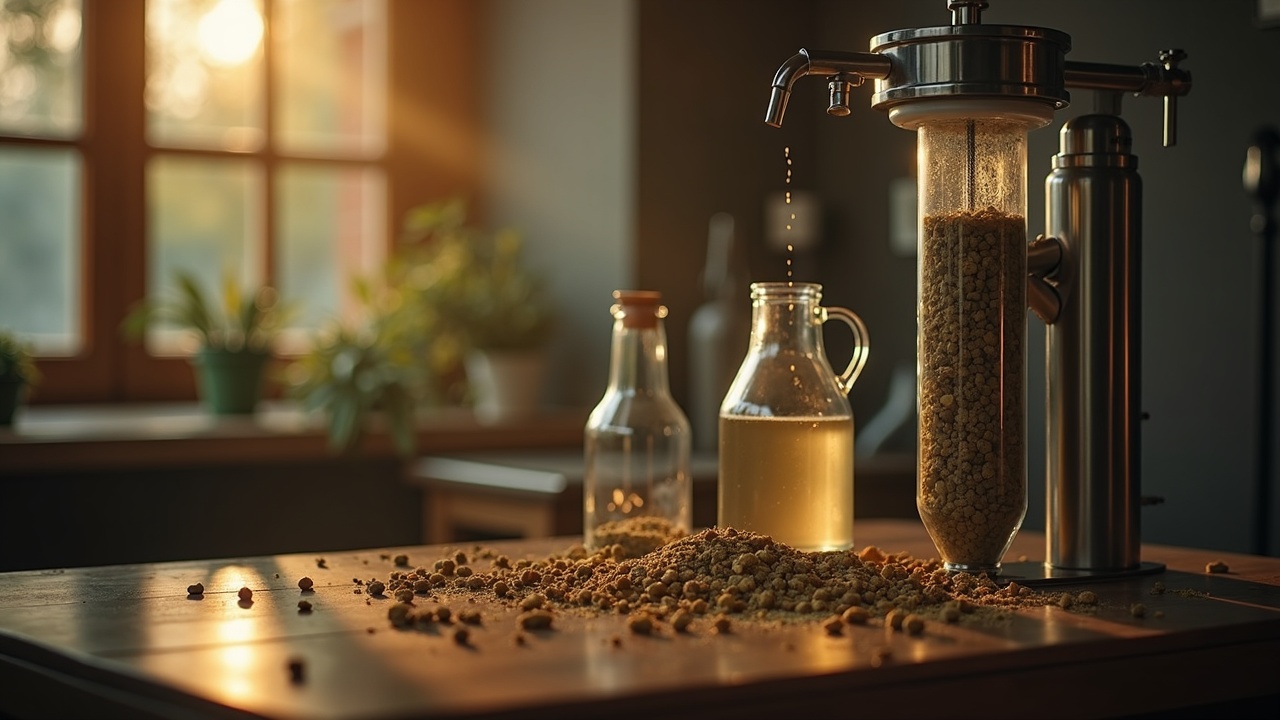
Initial filtration removes particulate matter but doesn’t guarantee clarity. A single pass through a filter medium captures larger solids, like plant fragments remaining after [ethanol tincture] production or bits of sediment in a [water extraction and decoction]. However, finer particles remain suspended, causing cloudiness and potentially impacting long-term stability.
Multiple filtration stages refine the extract progressively. The first filtration uses a coarser medium to remove bulk debris. Subsequent passes employ increasingly fine filters - progressing from cheesecloth to paper filter, then perhaps even a polishing filter - removing smaller and smaller contaminants. This is particularly important when aiming for pharmaceutical grade clarity or for extracts intended for sensitive applications.
The need for multiple filtrations depends on the feedstock and extraction method. Extracts made from roots like marshmallow root, known for mucilage content, require more rigorous filtration than those from leaves. Similarly, a [glycerin extraction] will produce a viscous liquid needing careful clarification.
Filtration isn’t just about aesthetics. Remaining particulate matter can contribute to instability over time, leading to changes in viscosity or even microbial growth. A well-filtered extract with a surface area exceeding 600 m²/g - achievable through proper activation and filtration - will remain stable for five or more years when [storing extracts] correctly.
Consider the solvent used. Extracts made with higher percentages of ethanol, like those using 90-95% ethanol targeting resins, may require more thorough filtration to remove co-extracted compounds that cause haze. Conversely, a simple folk method tincture using 40% ethanol might need less attention. Always refer to [filtering and clarifying] for detailed guidance on media selection and techniques.
What filters do you need, from coarse to fine?
Activated carbon filtration requires multiple stages to effectively clarify extracts. Start with coarse filtration to remove particulate matter. Several layers of muslin cloth, cheesecloth folded several times, or even paint strainers work well for this initial step. This removes larger debris before finer filters get clogged.
Next, move to a medium-grade filter. A tightly woven cotton fabric or multiple layers of paper coffee filters are suitable. These capture smaller particles missed by the coarse filtration. Consider a funnel setup for ease of use during filtering and clarifying.
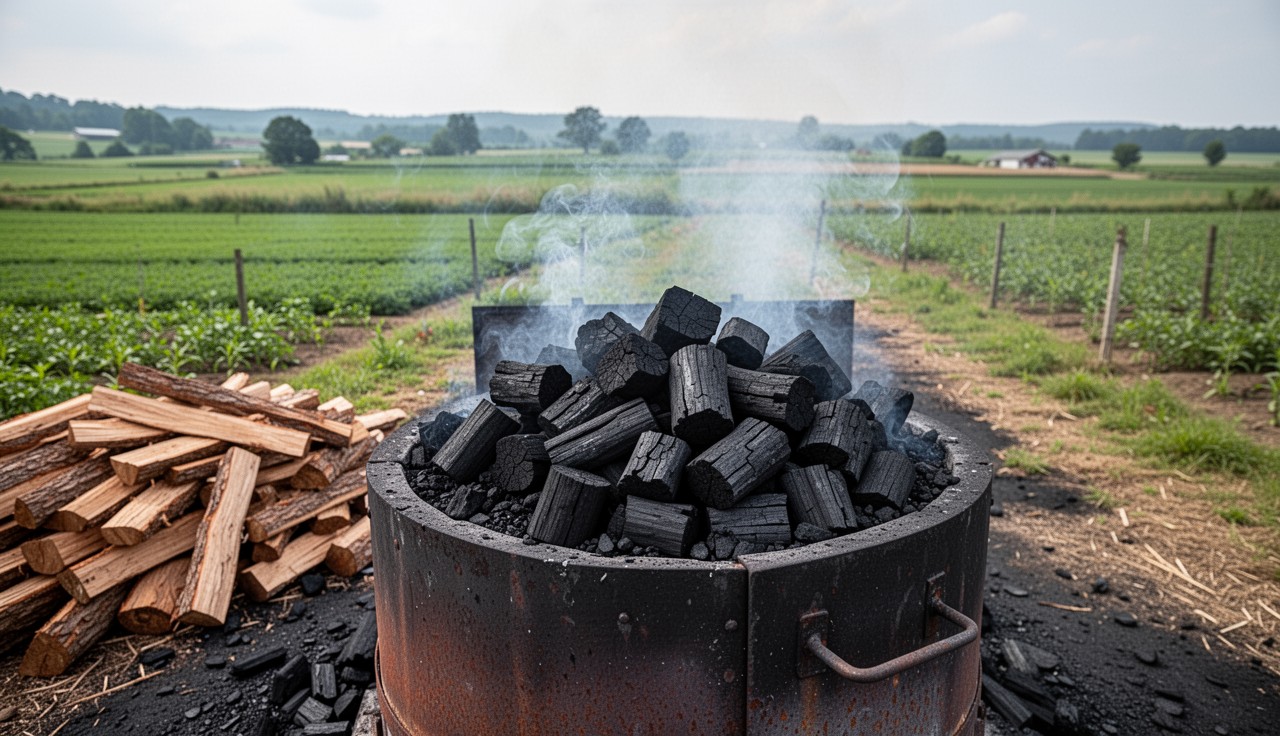
The final stage utilizes activated carbon itself, but proper preparation is critical. Remember raw charcoal is not activated charcoal; it must undergo activation to develop sufficient surface area - ranging from 600 m²/g (low activation) to over 1200 m²/g (high activation from coconut shell). Coconut shell produces the highest-quality product for most applications, with a predominantly micropore structure. Hardwood yields mesopores better suited for larger molecules. Bamboo offers mixed micro/mesopores.
After carbon filtration, another fine filter is necessary to remove any residual carbon particles. Use tightly woven cotton or very fine paper filters. Multiple passes through finer filters improve clarity.
Filter pore size selection depends on the target extract and desired clarity. For tinctures made with 40-50% ethanol, a final polish with a submicron filter may be desirable. Glycerin extractions (glycerin extraction) benefit from similar multi-stage filtration due to the viscosity of the solvent. Always prioritize removing all traces of activated carbon before storing extracts.
How do activated carbon, bentonite clay and silica clarify an extract?
Extract clarification removes unwanted components to produce a clean final product. Three common methods utilize different physical and chemical properties: activated carbon treatment, bentonite clay fining, and silica gel filtration [filtering and clarifying]. Each targets specific compounds for removal.
Activated carbon, created from biomass heated without oxygen at temperatures between 400-600°C then activated, possesses an enormous internal surface area - up to 1200 m²/g with coconut shell carbon. This surface binds molecules through adsorption, a process proportional to available area. Activated carbon excels at removing dark pigments, tannins and other compounds responsible for color and cloudiness. Feedstock matters; hardwood yields activated carbon best suited for larger molecule removal, while coconut shell is ideal for small molecules.
Bentonite clay functions differently. This type of clay consists of very fine particles with a negative charge. It attracts positively charged proteins and other colloidal matter, causing them to clump together and settle out of solution. This process, called fining, removes haze and improves clarity. Bentonite is particularly effective for clarifying juices or extracts containing abundant protein content.
Silica gel filtration employs size exclusion. Silica particles have microscopic pores of defined sizes. Larger molecules are excluded and flow around the silica, while smaller impurities are trapped within the pore structure. This method is useful for removing sugars, starches, and other small molecular weight contaminants. It offers a finer degree of clarification than bentonite but requires careful solvent selection during [ethanol extraction] to avoid damaging the silica matrix.
The choice depends on the extract’s composition and desired clarity. Remember raw charcoal is not activated charcoal; it lacks the necessary surface area for effective adsorption.
What does clarifying take out that you might want to keep?
Clarification, typically involving filtering and clarifying, removes particulate matter from an extract, improving visual clarity and shelf stability. However, this process isn’t without trade-offs. While it eliminates unwanted cloudiness, some desirable compounds can be lost alongside the sediment.
The extent of loss depends on the method and the initial extract composition. Extracts made with a 25-30% ethanol solution, designed for tannins, saponins, and mucilage, may lose some of these heavier molecules during fine filtration. Similarly, extracts rich in flavonoids or phenolics - best extracted using a 40-50% ethanol mix - can experience diminished potency if clarification is overly aggressive.
Consider the source material. Extracts from roots like marshmallow root or slippery elm, relying on a glycerin extraction [/articles/glycerin-extraction] for their mucilage content, will lose significant therapeutic value with heavy filtering. Even an alcohol tincture, though more stable, still risks losing some of its complex profile.
Clarification is particularly detrimental when dealing with resins, oleoresins, or volatile oils extracted using a 90-95% ethanol solution. These compounds are easily adsorbed onto filter media and removed from the final product. The same applies to extracts targeting alkaloids, best captured in a 60-70% alcohol base; aggressive clarification will reduce their concentration.
The goal isn’t necessarily complete clarity. A slight haze is preferable to a significantly weakened extract. Careful consideration of target compounds and extraction method should guide filtration choices. Remember that the United States Pharmacopeia standardized tincture preparation for 140 years, implying a balance between clarity and retention of active constituents.
Before any solvent work: use glass or stainless steel rated for the solvent, work outdoors or beside a fan pulling the vapour away from you, heat ethanol only on an electric or induction hot plate (never an open flame or a gas burner), and do not breathe solvent vapour. This guide is education, not medical advice: check with a doctor before using any herbal extract alongside medication, during pregnancy or for a child.
Which guides go with this one?
Sources
- Pure Extracts guide: activated charcoal production guide
- Pure Extracts guide: tincture production guide
- https://www.swsbm.com
- https://www.ecfr.gov/current/title-21/chapter-I/subchapter-B/part-111
- Pure Extracts guide: extraction methods
- doi:10.1016/0038-0717(87)90052-690052-6)
- doi:10.1139/o59-099
- doi:10.1006/abio.1987.9999