Growing
Jerusalem Artichoke (Helianthus tuberosus): Comprehensive Cultivation, Processing, and Use Guide
Complete guide to Jerusalem artichoke cultivation covering sunchoke growing parameters, tuber propagation, harvest optimization, inulin content.
On this page
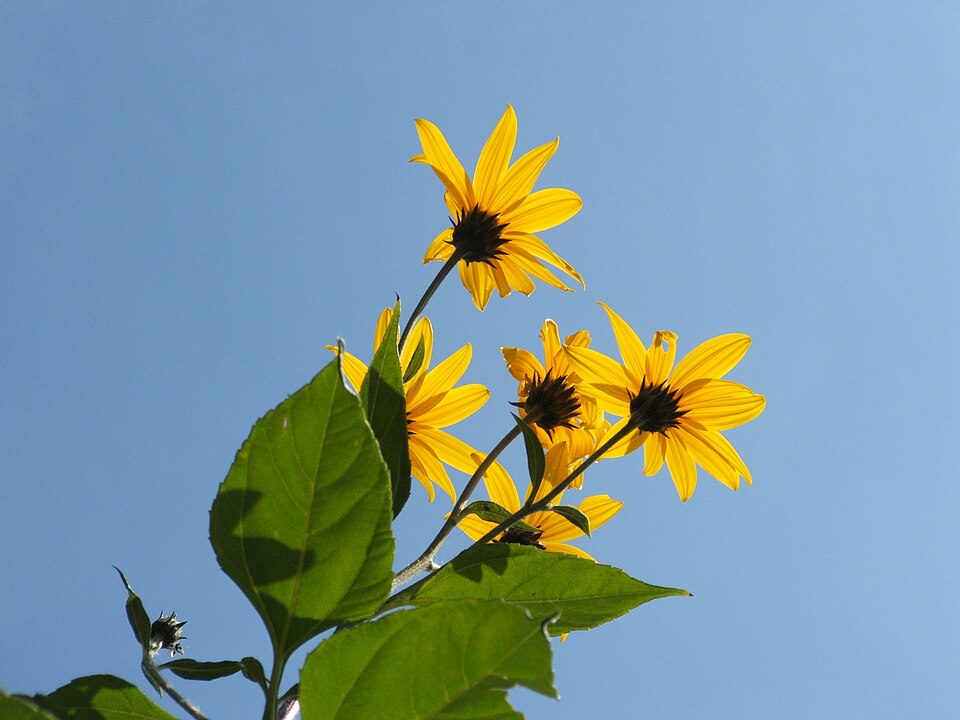
Jerusalem artichoke, also known as sunchoke, is a perennial sunflower species grown for its underground tubers rather than its aboveground biomass. The plant produces tall, upright stems 6–10 feet (1.8–3 m) in height, with coarse, ovate leaves arranged alternately and bright yellow, sunflower-like blooms appearing in late summer to early fall.
The edible portion consists of irregular, knobby tubers formed along underground stolons. These tubers resemble ginger in shape but are botanically distinct, serving as carbohydrate storage organs rich in inulin rather than starch. Inulin is a fructan-type polysaccharide that is resistant to digestion in the upper gastrointestinal tract and is instead fermented by gut microbiota.
Inulin and Prebiotic Properties
In modern nutritional and physiological research, Jerusalem artichoke is discussed primarily for its prebiotic properties. Inulin and related fructooligosaccharides are studied for their interaction with gut microbiota composition, short-chain fatty acid production, glycemic response modulation, and indirect effects on metabolic signaling pathways. These discussions are framed within functional food and digestive physiology research rather than therapeutic claims.