Growing
Lion’s Mane Mushroom (Hericium erinaceus): Comprehensive Cultivation, Processing, and Use Guide
Complete guide to lion's mane mushroom cultivation covering Hericium erinaceus biology, substrate preparation, fruiting parameters, harvest timing.
On this page
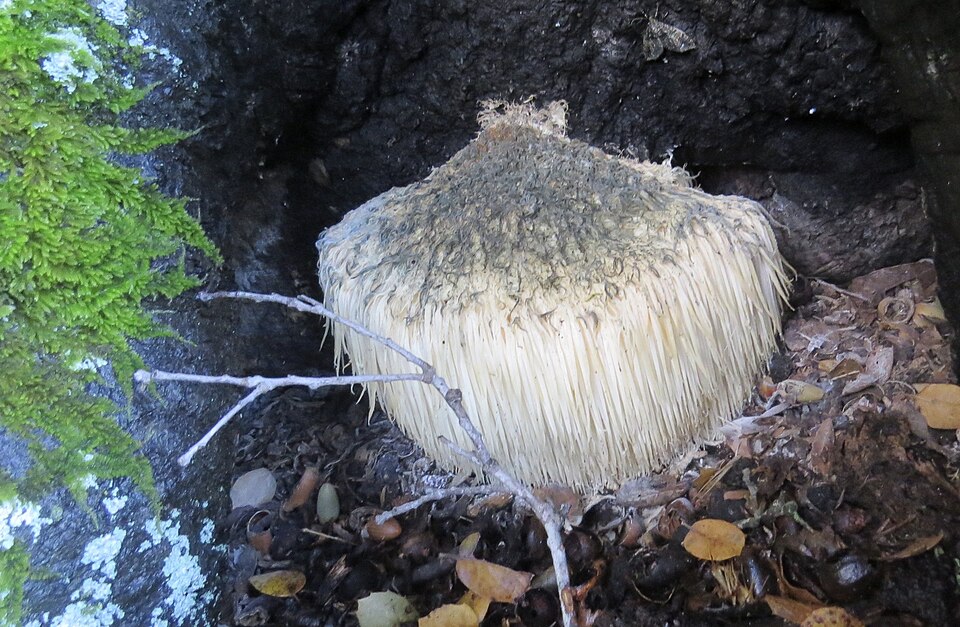
Lion’s mane mushroom, Hericium erinaceus, is a wood-decomposing basidiomycete fungus characterized by its distinctive cascading spines rather than gills or pores. Fruiting bodies are typically white to cream-colored, forming dense, rounded clusters that can reach 10–30 cm (4–12 in) in diameter under optimal conditions. The spines elongate as the mushroom matures, giving rise to its common name.
Unlike plants, lion’s mane derives nutrients through enzymatic breakdown of lignin, cellulose, and hemicellulose in hardwood substrates. Its mycelium forms extensive networks within wood, where many of the bioactive compounds of interest are synthesized prior to fruiting.
In modern scientific literature, lion’s mane is notable for diterpenoid and aromatic compounds such as hericenones (found primarily in fruiting bodies) and erinacines (found predominantly in mycelium). These compounds are studied for their interaction with nerve growth factor (NGF) expression, neurotrophic signaling pathways, synaptic plasticity, and gut, brain axis modulation. Research consistently frames these effects within nutritional neuroscience and functional food contexts rather than pharmaceutical intervention.