Growing
Purple Sweet Potato (Ipomoea batatas, Purple-Fleshed Cultivars): Comprehensive Cultivation, Processing, and Use Guide
Complete guide to purple sweet potato cultivation covering Ipomoea batatas purple-fleshed cultivars, growing parameters, slip propagation.
On this page
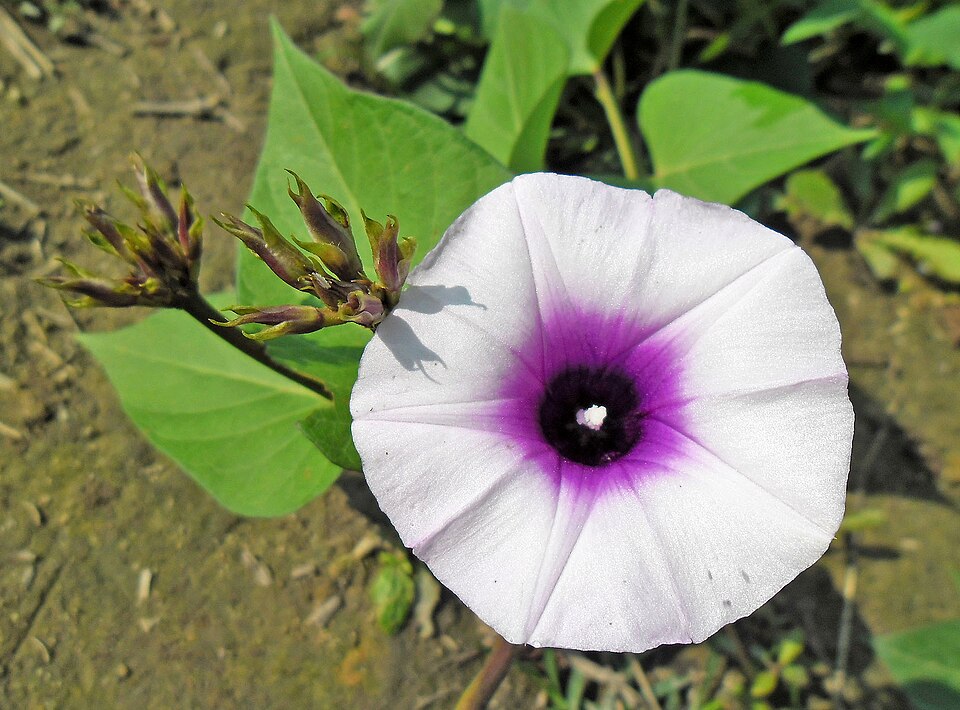
Purple sweet potato refers to a group of Ipomoea batatas cultivars characterized by deep purple flesh caused by exceptionally high concentrations of acylated anthocyanins. The plant is a warm-season, herbaceous perennial vine grown as an annual in temperate regions, producing sprawling stems, heart- to lobed-shaped leaves, and enlarged storage roots rather than true tubers.
In modern food science and nutrition literature, purple sweet potatoes are distinguished from orange- and white-fleshed types by both pigment chemistry and metabolic behavior. Their anthocyanins, primarily acylated cyanidin and peonidin derivatives, are structurally more stable to heat, light, and pH than many berry anthocyanins, making them a frequent subject of research into oxidative signaling, endothelial function, carbohydrate metabolism, and gut, microbiome interactions.
Compound Behavior In Vivo
These compounds are described as interacting indirectly with human physiology through modulation of oxidative stress pathways, nitric oxide availability, glucose transport signaling, and microbial fermentation products such as short-chain fatty acids. Research consistently frames these effects within the context of whole-food consumption and functional nutrition rather than pharmaceutical activity.