Plants
How to Make a Hawthorn Extract: Methods, Solvents and Shelf Life
Which parts of hawthorn to use, which method pulls out its compounds, the solvent and ratio, safety and how long the extract keeps.
On this page
What are you extracting from hawthorn?
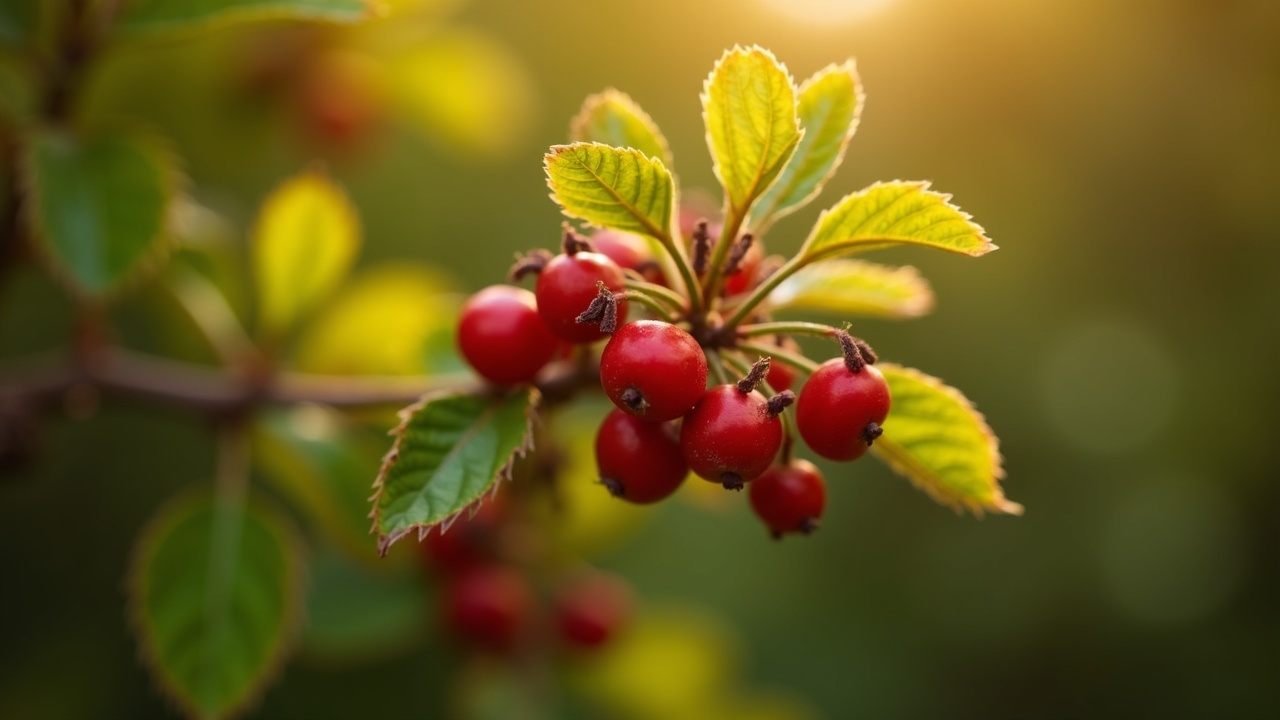
Hawthorn extractions focus on a diverse range of compounds found within the plant’s leaves, flowers and fruit. Over 300 chemical constituents have been identified, notably flavonoids and oligomeric procyanidins (OPCs). These two compound classes are strongly linked to cardiovascular activity. The official quality marker for leaf-and-flower drug is a minimum 1.5% of total flavonoids, measured as hyperoside.
Several extraction methods yield varying results. Ultrasound-Assisted Electrolyzed Water Extraction (UAEWE) achieves a 7.21% ± 0.13% yield with 87.35 g/100g ± 0.37 galacturonic acid content and enhanced antioxidant activity. Ultrasound-Assisted Extraction (UAE) provides a 5.96% ± 0.06% yield, containing 82.28 g/100g ± 0.49 galacturonic acid with moderate antioxidant properties. Acid Extraction (AE) results in a 4.53% ± 0.15% yield and 76.08 g/100g ± 0.96 galacturonic acid, but exhibits the lowest antioxidant activity among those tested. [choosing a method]
Extracts can be tailored to specific compound profiles. A standardized extract like WS 1442, a dry extract from hawthorn leaves with flowers, is adjusted to contain 17.3-20.1% OPCs alongside flavonoids including hyperoside, vitexin-rhamnoside, rutin and vitexin, as well as triterpenoids and phenol carboxylic acids.
Beyond ethanol-based methods, glycerin can be used - a typical ratio is 60% glycerin / 40% water - though it yields lower potency and shorter shelf life. The choice of solvent impacts extraction efficiency based on target compound polarity; water extracts polar molecules, while ethanol covers a broader range. Tinctures are hydroalcoholic extracts, historically prepared using standardized methods codified in pharmacopeias. Ethanol percentages vary: 90-95% for resins, 60-70% for alkaloids and bitters, 40-50% for flavonoids, and 25-30% for tannins. Food-grade ethanol is essential; denatured alcohol must be avoided due to toxicity. [solvent safety]
Following extraction, processes like filtering and clarifying and evaporating solvent may be necessary before storing extracts.
Which extraction method suits hawthorn, and why?
Hawthorn presents several viable extraction pathways, each impacting yield and the concentration of key compounds. Considering the data, Ultrasound-Assisted Electrolyzed Water Extraction (UAEWE) appears most effective for maximizing both yield and antioxidant activity. This method achieves a 7.21% ± 0.13% yield with 87.35 g/100g ± 0.37 galacturonic acid content, outperforming other tested techniques. [ultrasonic extraction] is a good place to start learning more about this approach.
Ultrasound-Assisted Extraction (UAE) offers a close second, yielding 5.96% ± 0.06% with 82.28 g/100g ± 0.49 galacturonic acid content and moderate antioxidant activity. Acid Extraction (AE), at 4.53% ± 0.15% yield and 76.08 g/100g ± 0.96 galacturonic acid, is less efficient in both respects. Commercially Available Hawthorn Pectin (CHP) has unspecified yields but demonstrably lower antioxidant activity than UAEWE-extracted pectin.
Given the importance of flavonoids and oligomeric procyanidins (OPCs) for cardiovascular benefits - with a European Pharmacopoeia requirement of minimum 1.5% total flavonoids expressed as hyperoside - an ethanol-based extraction is logical. The monograph details standardized extracts like WS 1442, utilizing ethanol at 45% (w/w). This aligns with the recommended range for extracting flavonoids and phenolics: 40-50% ethanol with 50-60% water. [ethanol tincture] provides a detailed guide to this process.
While other solvents exist, glycerin extraction is not ideal due to lower potency and shelf life. Apple cider vinegar or water are unsuitable for capturing the full spectrum of hawthorn’s constituents. The choice depends on desired outcome; maximizing galacturonic acid points toward UAEWE, while prioritizing flavonoid content suggests a carefully controlled ethanol-based method mirroring WS 1442's profile. Remember to use food-grade ethanol only and prioritize [solvent safety].
How to Choose an Extraction Method for Any Herb
Match the method to the plant: what polarity and heat sensitivity mean, and which solvent pulls out which compounds.
For a More In-Depth Read, Click HereWhat solvent and ratio should you use for hawthorn?
Hawthorn’s active compounds, flavonoids and oligomeric procyanidins (OPCs), guide solvent selection. The established quality marker for hawthorn leaf-and-flower is a minimum of 1.5% total flavonoids, expressed as hyperoside. Ethanol extracts these effectively.
For general-purpose extraction of hawthorn, use an ethanol percentage between 40-50%, diluted with 50-60% distilled water. This ratio suits herbs rich in flavonoids and phenolics. A 45% ethanol (w/w) extract is used to standardize WS 1442, a common reference preparation.
While other methods exist, the traditional tincture method remains viable. Consider food-grade ethanol only; denatured alcohol is unsafe. Everclear or organic grape alcohol can be diluted to achieve the target percentage. Vodka, at 40% ethanol, may suffice for leaves and flowers but lacks adjustability. Glycerin extraction [/articles/glycerin-extraction] is an alternative for those avoiding alcohol, though it yields lower potency and a different product requiring separate consideration. Apple cider vinegar or oil infusion [/articles/oil-infusion] are not general replacements.
The choice impacts yield and compound profile. Ultrasound-assisted extraction [/articles/ultrasonic extraction] methods like UAE (5.96% ± 0.06% yield) and UAEWE (7.21% ± 0.13% yield) enhance antioxidant activity, but require specialized equipment. Acid Extraction [/articles/extraction-ethanol] yields less (4.53% ± 0.15%) with lower antioxidant levels.
Regardless of method, proper preparation is essential: ensure herbs are thoroughly dried [/articles/drying-herbs-for-extraction]. After extraction, filtering and clarifying [/articles/filtering-and-clarifying-extracts] removes particulate matter. Store extracts properly [/articles/storing-herbal-extracts] to maintain potency. Always prioritize solvent safety [/articles/solvent-safety]. Choosing a method [/articles/choosing-an-extraction-method] depends on available resources and desired outcome.
How do you make a hawthorn extract step by step?
Hawthorn extracts begin with properly prepared plant material. Begin by drying herbs the leaves and flowers thoroughly. Extraction method selection depends on desired compounds and end use; review choosing a method.
For an alcohol tincture, select food-grade ethanol. A 40-50% ethanol solution is suitable for general purpose hawthorn extracts, targeting flavonoids and phenolics. This requires diluting near-pure (190 proof / 95%) ethanol with distilled water. Alternatively, use 80 proof vodka, understanding its fixed 40% alcohol content limits adjustment.
Combine dried hawthorn material with the chosen solvent in a clean container. A common ratio is 1:5 herb to liquid by weight, though this varies. Ensure plant matter is fully submerged. Seal tightly and store in a cool, dark place for four to six weeks, shaking daily. This allows sufficient time for compounds to dissolve.
After maceration, filtering and clarifying the liquid separates the extract from plant solids. Use cheesecloth or a fine mesh strainer initially, followed by filter paper if needed.
For higher yields of galacturonic acid and antioxidants, consider ultrasound-assisted extraction (ultrasonic extraction). Methods like UAEWE achieve up to 7.21% yield with 87.35 g/100g galacturonic acid content; however, this requires specialized equipment. Acid Extraction (AE) yields less at 4.53%, while Ultrasound Assisted Extraction (UAE) reaches 5.96%.
If using glycerin, a ratio of 60% vegetable glycerine to 40% water is typical (glycerin extraction). Glycerites are less potent and have shorter shelf lives.
Finally, storing extracts in airtight, dark glass bottles protects potency. Alcohol tinctures maintain stability for five years or more; glycerites last one to two. Always prioritize solvent safety when working with ethanol.
How to Make a Glycerite: Glycerin Herbal Extracts
The alcohol-free extract: which herbs suit vegetable glycerin, how much water to add, how to make it and how long it keeps.
For a More In-Depth Read, Click HereWho should be careful with hawthorn?
Hawthorn is widely researched for cardiovascular support, but several populations require caution when considering its use. Individuals taking cardiac medications should consult with their healthcare provider before using hawthorn, as it possesses positive inotropic and antiarrhythmic properties demonstrated in nonclinical studies. Hawthorn may potentiate the effects of these drugs, leading to additive or unexpected interactions.
Those with existing low blood pressure also need careful monitoring. Hawthorn extracts have shown a decrease of arterial blood pressure effect in preclinical research, so combining it with antihypertensive medications could cause hypotension. The genus contains compounds like flavonoids and oligomeric procyanidins associated with cardiovascular activity; the European Pharmacopoeia requires hawthorn-leaf-and-flower drug to contain minimum 1.5% total flavonoids expressed as hyperoside.
People scheduled for surgery should discontinue hawthorn at least two weeks prior due to potential antiplatelet aggregation effects, which could increase bleeding risk. While research indicates a broad cardiovascular profile, most mechanistic work uses the standardized extract WS 1442, not crude tea.
Pregnancy and breastfeeding status necessitate avoiding hawthorn, as safety data is lacking. The leaf-and-flower material contains over 300 chemical compounds, including catecholamines, so effects on fetal development or infants are unknown.
When preparing extracts, consider choosing a method based on target compounds. Ethanol percentages of 40-50% are suitable for general purpose herbs like chamomile and passionflower, while resins require 90-95% ethanol. Ultrasound-Assisted Electrolyzed Water Extraction (UAEWE) yields 7.21% ± 0.13%, with high galacturonic acid content of 87.35 g/100g ± 0.37, and enhanced antioxidant activity compared to other methods like Acid Extraction (AE), which yields only 4.53% ± 0.15%. Remember that glycerin extraction [/articles/glycerin-extraction] results in lower potency than ethanol tinctures and has a shorter shelf life of one to two years. Always prioritize solvent safety when working with alcohol.
Before any solvent work: use glass or stainless steel rated for the solvent, work outdoors or beside a fan pulling the vapor away from you, heat ethanol only on an electric or induction hot plate (never an open flame or a gas burner), and do not breathe solvent vapor. This guide is education, not medical advice: check with a doctor before using any herbal extract alongside medication, during pregnancy or for a child.
How to Filter and Clarify an Extract: Carbon, Bentonite and Silica
From coarse straining to fine filters, and how activated carbon, bentonite clay and silica clean up an extract.
For a More In-Depth Read, Click HereHow do you store a hawthorn extract, and how long does it keep?
Hawthorn extracts benefit from careful storage to maintain potency and stability. The ideal conditions depend on the solvent used during production. Alcohol-based tinctures, prepared with ethanol percentages ranging from 25% to 95%, are remarkably stable if stored correctly. Use dark glass bottles, tightly sealed, and protect them from light, heat, and air. A cool, dark place is best; refrigeration isn’t necessary but doesn't harm the extract. Properly stored alcohol tinctures have a shelf life exceeding five years.
Glycerin extracts, created through glycerin extraction using ratios like 60% glycerin / 40% water, are more susceptible to degradation. These should also be kept in dark glass bottles and refrigerated. Expect a shorter shelf life of one to two years for glycerites. Monitor for changes in color or odor indicating spoilage.
Extracts made with water, such as those from water extraction and decoction, require refrigeration immediately after production. These have the shortest lifespan, generally six to twelve months even when refrigerated. Consider adding 10-15% ethanol to a water extract as a preservative.
Regardless of solvent, always use food-grade materials. Avoid storing extracts in plastic containers, as some plant compounds can leach chemicals from the plastic over time. Proper storing extracts preserves the flavonoids - with a minimum requirement of 1.5% total flavonoids expressed as hyperoside for European Pharmacopoeia standards - and other active components like oligomeric procyanidins, ensuring consistent quality. Remember that methods like ultrasonic extraction or even more complex techniques yield extracts needing the same careful storage considerations.
Which guides go with this one?
- Filtering and clarifying
- Evaporating solvent
- Storing extracts
- Drying herbs
- Choosing a method
- Ultrasonic extraction
- Glycerin extraction
- Solvent safety
- Water extraction and decoction
Sources
- sleep, The SPINOFF® supplement significantly reduced the PSQI scores (22.4%), indicating enhanced sleep quality. (
- high blood pressure, Results: Hawthorn statistically significantly decreased SBP (MD: -6.65 mmHg; 95% CI -11.72; 1.59) and non-significantly reduced
- LAB/ANIMAL high blood pressure, RESULTS: Hawthorn extract (0.4 mL/L) increased NO by 57.1%, SOD activity by 16.4%, and GPx activity by 20.6% and decr
- LAB/ANIMAL cholesterol, Different intervention groups had certain lipid-lowering effects, and the para-medicine group showed significant differences
- Effect of vitamin C and hawthorn beverage formula on blood pressure and oxidative stress in heat-exposed workers: a cluster-randomized controlled tria (2024)
- Effect of dietary supplementation with Diuripres® on blood pressure, vascular health, and metabolic parameters in individuals with high-normal blood p (2023)
- The combination of hawthorn extract and camphor significantly increases blood pressure: A meta-analysis and systematic review (2019)
- Blood Pressure and Cognitive Performance After a Single Administration of a Camphor-Crataegus Combination in Adolescents with Low Blood Pressure (2018)
- TRADITIONAL Meskwaki (Native American) - Analgesic -- Infusion of twigs used for a pain in the side and bladder trouble. Smith, Huron H., 19
- TRADITIONAL Documented medicinal use - Antispasmodic Astringent Cardiotonic Diuretic Hypotensive Malaria Sedative Tonic Vasodilator Hawthorn
- TRUSTED general - Preparation: 1.5-3.5g of dried flower, leaf or berry per day, as infusion or decoction. (Herbal Reality
- TRUSTED general - Indications: Cardiovascular conditions such as congestive heart failure, coronary circulation problems, weak cardiac outpu
Common questions
What are you extracting from hawthorn?
Hawthorn extractions focus on a diverse range of compounds found within the plant’s leaves, flowers and fruit. Over 300 chemical constituents have been identified, notably flavonoids and oligomeric procyanidins (OPCs). These two compound classes are strongly linked to cardiovascular activity. The official quality marker for leaf-and-flower drug is a minimum 1.5% of total flavonoids, measured as hyperoside. Several extraction methods yield varying results.
Which extraction method suits hawthorn, and why?
Hawthorn presents several viable extraction pathways, each impacting yield and the concentration of key compounds. Considering the data, Ultrasound-Assisted Electrolyzed Water Extraction (UAEWE) appears most effective for maximizing both yield and antioxidant activity. This method achieves a 7.21% ± 0.13% yield with 87.35 g/100g ± 0.37 galacturonic acid content, outperforming other tested techniques. [ultrasonic extraction] is a good place to start learning more about this approach.
What solvent and ratio should you use for hawthorn?
Hawthorn’s active compounds, flavonoids and oligomeric procyanidins (OPCs), guide solvent selection. The established quality marker for hawthorn leaf-and-flower is a minimum of 1.5% total flavonoids, expressed as hyperoside. Ethanol extracts these effectively. For general-purpose extraction of hawthorn, use an ethanol percentage between 40-50%, diluted with 50-60% distilled water. This ratio suits herbs rich in flavonoids and phenolics.
How do you make a hawthorn extract step by step?
Hawthorn extracts begin with properly prepared plant material. Begin by drying herbs the leaves and flowers thoroughly. Extraction method selection depends on desired compounds and end use; review choosing a method . For an alcohol tincture, select food-grade ethanol. A 40-50% ethanol solution is suitable for general purpose hawthorn extracts, targeting flavonoids and phenolics.
Who should be careful with hawthorn?
Hawthorn is widely researched for cardiovascular support, but several populations require caution when considering its use. Individuals taking cardiac medications should consult with their healthcare provider before using hawthorn, as it possesses positive inotropic and antiarrhythmic properties demonstrated in nonclinical studies. Hawthorn may potentiate the effects of these drugs, leading to additive or unexpected interactions. Those with existing low blood pressure also need careful monitoring.
How do you store a hawthorn extract, and how long does it keep?
Hawthorn extracts benefit from careful storage to maintain potency and stability. The ideal conditions depend on the solvent used during production. Alcohol-based tinctures, prepared with ethanol percentages ranging from 25% to 95%, are remarkably stable if stored correctly. Use dark glass bottles, tightly sealed, and protect them from light, heat, and air. A cool, dark place is best; refrigeration isn’t necessary but doesn't harm the extract.
What are related guides?
Plants Activated Charcoal Production Plants Adaptogenic Compounds Plants Oregano, Medicinal Applications . How botanical extracts are made, step by step, from the people who run the extractions. What we learn, sent about once a week. All guides Ebooks Courses Free extras . About Contact Privacy Terms .
Browse by topic
More guides to explore
 ExtractionCold Press Extraction
 ExtractionEnzymatic Extraction
 ExtractionEthanol Extraction
 ExtractionMicrowave-Assisted Extraction
 ExtractionNatural Dye Extraction and Use
 ExtractionPressurized Hot Water Extraction
 ExtractionSteam Distillation