Plants
How to Make a Moringa Extract: Methods, Solvents and Shelf Life
Which parts of moringa to use, which method pulls out its compounds, the solvent and ratio, safety and how long the extract keeps.
On this page
What are you extracting from moringa?
Moringa oleifera yields a chemically diverse profile across all plant parts, with over one hundred characterized compounds including alkaloids, flavonoids, anthraquinones, vitamins, glycosides and terpenes. Extraction targets depend on desired constituents and intended use. Leaves are particularly rich in phenolics and flavonoids; key leaf compounds include chlorogenic acid, gallic acid, quercetin, kaempferol, rutoside, and vicenin-2. Detailed analysis of ethanol leaf extracts identified 39 phytoconstituents, with 4-undecylbenzenesulfonic acid, apigetrin, and quercetin-3β-D-glucoside among the most abundant.
Seeds contain sulfur-containing actives like pterigospermin, spirachin and benzyl isothiocyanate, historically used for antibacterial, anticholeric and antiviral applications. Broader molecular categories found throughout the plant include carbohydrates, phenolic compounds, carotenoids, fatty acids, essential amino acids, and functional peptides.
Ethanol extraction offers versatility due to ethanol’s broad solvent range. A 60-70% ethanol solution with 30-40% distilled water is suitable for extracting alkaloids, glycosides, and bitters from leaves and seeds. For resins or volatile oils, a higher concentration of 90-95% ethanol with only 5-10% water may be necessary. The choice depends on the specific compounds prioritized.
Alternatively, glycerin extraction using a 60% glycerin / 40% water ratio can extract some compounds without alcohol, though potency will be lower and shelf life shorter (1-2 years). Water alone, via water extraction and decoction, targets polar molecules.
Following extraction, filtering and clarifying removes particulate matter. Proper storing extracts in airtight containers protects against degradation; alcohol tinctures have a shelf life of 5+ years while glycerites are best used within two years. Always prioritize solvent safety when working with ethanol, using only food-grade sources like Everclear (190 proof / 95% ethanol) or organic grape alcohol and avoiding denatured alcohol.
Which extraction method suits moringa, and why?
Moringa’s chemical diversity demands careful consideration when [choosing a method]. The monograph establishes that moringa contains alkaloids, flavonoids, anthraquinones, vitamins, glycosides and terpenes - a broad spectrum of compounds with varying polarities. Given this profile, ethanol is the most versatile solvent for comprehensive extraction.
The ideal ethanol percentage depends on target constituents. Moringa leaves are rich in phenolics and flavonoids; a [ethanol tincture] using 40-50% ethanol and 50-60% water would be appropriate for general use. This ratio effectively extracts these compounds alongside the plant’s proteins, fibers, minerals, and amino acids. Detailed analysis of leaf extract identified chlorogenic acid, gallic acid, quercetin, kaempferol, rutoside, and vicenin-2 as key components, all readily soluble in this range.
Moringa seeds contain sulfur-containing actives like pterigospermin, spirachin and benzyl isothiocyanate. These may benefit from a higher ethanol concentration - 60-70% ethanol with 30-40% water - to ensure complete extraction. The monograph notes these seeds have antibacterial, anticholeric, and antiviral properties.
While glycerin [glycerin extraction] (60% glycerin / 40% water) could extract some compounds, it yields lower potency and is unsuitable as a direct substitute for ethanol tinctures. Similarly, apple cider vinegar or water [water extraction and decoction] would not capture the full spectrum of moringa’s bioactive molecules. CO2 extraction offers another option but requires specialized equipment.
Regardless of solvent choice, use food-grade ethanol only; denatured alcohol is unsafe. After extraction, proper [filtering and clarifying extracts] followed by [storing extracts] in airtight containers will preserve potency and shelf life. Remember to prioritize [solvent safety] throughout the process.
What solvent and ratio should you use for moringa?
Moringa’s chemical diversity requires careful solvent selection for effective extraction. The plant contains alkaloids, flavonoids, anthraquinones, vitamins, glycosides and terpenes, meaning multiple approaches are possible but ethanol is the most versatile [choosing a method]. Moringa seeds contain sulfur-containing actives best captured with alcohol as well.
Given moringa’s range of compounds, a 60-70% ethanol solution with 30-40% distilled water is appropriate for broad-spectrum extraction. This ratio targets alkaloids, most glycosides and bitters present in the leaves and seeds. Use food-grade ethanol only; denatured alcohol is unsafe [solvent safety]. Begin with 190 proof / 95% ethanol and dilute to achieve this percentage.
Leaf extracts benefit from this middle ground, capturing key compounds like chlorogenic acid, gallic acid, quercetin, kaempferol, rutoside and vicenin-2. Detailed profiling of one ethanol leaf extract identified 39 phytoconstituents. Broader molecular categories reported include carbohydrates, phenolic compounds, carotenoids, fatty acids, essential amino acids, and functional peptides.
While a 40-50% solution could work for flavonoids and phenolics, it may not effectively pull the full spectrum of actives from seeds or bark. Glycerin extraction is possible [glycerin extraction], using a 60% glycerin / 40% water ratio, but will yield lower potency and different characteristics than an alcohol tincture. Water extraction alone would be limited in scope [water extraction and decoction].
After extraction, proper filtering and clarifying are essential [filtering and clarifying]. Store the finished ethanol tincture properly to maintain stability for five or more years [storing extracts].
How do you make a moringa extract step by step?
Moringa extracts begin with properly prepared plant material. drying herbs is essential for shelf stability and optimal extraction. Use leaves, seeds, bark, roots, or flowers - each part has a unique chemical profile as Moringa is chemically diverse across all parts.
For a standard alcohol tincture, begin with food-grade ethanol. Everclear (190 proof / 95% ethanol) or organic grape alcohol are suitable starting points. Consider the target compounds when selecting your solvent percentage. Moringa leaves are rich in phenolics and flavonoids, suggesting a ethanol tincture using 40-50% ethanol diluted with distilled water is appropriate. This ratio balances extraction efficiency with preserving delicate molecules.
Combine plant material with the chosen solvent in a clean container. A common folk method involves completely submerging the herb, but standardized ratios are not detailed here. Allow sufficient time for extraction; duration varies based on material and solvent strength.
After maceration, filtering and clarifying removes plant matter. Use a fine mesh strainer followed by filter paper if needed. For high-proof ethanol tinctures, evaporating solvent may concentrate the extract, but requires strict adherence to solvent safety protocols.
Alternatively, a glycerin extraction (glycerin extraction) offers an alcohol-free option. Combine 60% vegetable glycerine with 40% distilled water. Glycerin extracts are less potent and have a shorter shelf life (1-2 years). A vinegar (acetic acid ~5%) extract, or acetract, is suitable for mineral-rich parts but isn’t general purpose.
Regardless of the method chosen, proper storing extracts in airtight, dark glass bottles protects against degradation. Remember that traditional use does not equal clinical proof; Moringa has a long history of folk medicine applications including treatment for fevers and inflammation but these are historical uses only. Consider choosing a method based on your goals and available resources.
How to Choose an Extraction Method for Any Herb
Match the method to the plant: what polarity and heat sensitivity mean, and which solvent pulls out which compounds.
For a More In-Depth Read, Click HereWho should be careful with moringa?
Moringa oleifera has a long history of traditional use, but certain individuals should exercise caution. Broad folk medicine documented historically includes treatment for fevers and diarrhea, though these are not clinically proven.
Those with existing cardiometabolic conditions may experience effects from moringa due to proposed mechanisms involving glucose and lipid metabolism. Research suggests potential modulation of these systems, but human clinical trials remain limited.
Moringa seeds contain benzyl isothiocyanate, pterigospermin and spirachin - compounds traditionally used for antibacterial, anticholeric and antiviral purposes. However, this same activity warrants caution. Individuals with digestive sensitivities should start slowly, as the sulfur-containing actives in seeds may cause irritation.
Anyone considering a moringa preparation must select an appropriate [ethanol tincture] method based on target compounds. Leaves rich in phenolics and flavonoids benefit from 40-50% ethanol solutions, while resins require 90-95%. A 60-70% solution suits alkaloids and glycosides. Remember to use food-grade ethanol only; denatured alcohol is unsafe. If using Everclear (190 proof / 95% ethanol) or organic grape alcohol, dilute with distilled water to the target percentage.
Vodka (40% ethanol / 80 proof) may be adequate for leaves and flowers but isn't adjustable. Glycerin [glycerin extraction] is an alternative for those avoiding alcohol, using a typical ratio of 60% glycerin / 40% water, though potency will be lower and shelf life limited to one or two years. Apple cider vinegar extracts minerals but is not a general-purpose substitute.
Proper preparation involves careful consideration of [drying herbs] before extraction, followed by [filtering and clarifying extracts]. Always prioritize [solvent safety] when working with ethanol and ensure proper [storing extracts] for optimal stability.
Before any solvent work: use glass or stainless steel rated for the solvent, work outdoors or beside a fan pulling the vapor away from you, heat ethanol only on an electric or induction hot plate (never an open flame or a gas burner), and do not breathe solvent vapor. This guide is education, not medical advice: check with a doctor before using any herbal extract alongside medication, during pregnancy or for a child.
How do you store a moringa extract, and how long does it keep?
Moringa extracts require careful storage to maintain potency and prevent degradation. Storage conditions depend on the solvent used during creation; consider how you performed [choosing a method]. Alcohol-based tinctures, made with ethanol at percentages between 25% and 95%, are stable for five or more years if stored correctly. Keep them in dark glass bottles, tightly sealed, away from direct light and heat. Temperature fluctuations should be minimized.
Glycerin extractions, created via [glycerin extraction], have a shorter shelf life of one to two years. Glycerin’s higher water content encourages microbial growth, so proper storage is essential. Use airtight containers and refrigerate after opening. Note that glycerites are not equivalent to alcohol tinctures in terms of potency.
Oil infusions, like those created with [oil infusion], also require protection from light, heat, and air. Store them in dark glass bottles in a cool, dry place. Shelf life is typically one to two years.
Regardless of the solvent, always prioritize airtight containers. Oxygen exposure accelerates degradation of many plant compounds. Avoid storing extracts near strong odors, as they can be absorbed over time. Proper [drying herbs] before extraction minimizes water content and extends shelf life.
If you used a higher-proof ethanol (like 190 proof / 95% ethanol) and then performed [evaporating solvent] to create a concentrated extract, the resulting resin or oil will be particularly sensitive to oxidation. Store it under nitrogen if possible, in a freezer.
Finally, remember that these are guidelines. Visual inspection is key; discard any extract showing signs of mold, cloudiness, or unusual odor. Consistent application of proper [storing extracts] practices maximizes the usable life of your moringa preparations.
How to Make a Glycerite: Glycerin Herbal Extracts
The alcohol-free extract: which herbs suit vegetable glycerin, how much water to add, how to make it and how long it keeps.
For a More In-Depth Read, Click HereWhich guides go with this one?
- Ethanol extraction
- Glycerin extraction
- Water extraction and decoction
- Filtering and clarifying
- Storing extracts
- Solvent safety
- Drying herbs
- Ethanol tincture
- Evaporating solvent
- Choosing a method
How to Filter and Clarify an Extract: Carbon, Bentonite and Silica
From coarse straining to fine filters, and how activated carbon, bentonite clay and silica clean up an extract.
For a More In-Depth Read, Click HereSources
- high blood pressure, The results indicated that Moringa oleifera consumption significantly reduced systolic blood pressure (SBP) by weighted mean dif
- menopause, The data revealed that supplementation of DLP and ALP significantly increased serum retinol (8.8 % and 5.0 %), serum ascorbic acid (44.4 %
- weight loss, The formulated TMR reduced daily feeding cost by 68.5% and lowered feed cost per kg live weight gain by 41.3% compared to commercial TMR
- weight loss, CONCLUSION: In conclusion, M. oleifera leaf meal incorporated into local Guinea fowl breeders' diets at 0.5%, 1%, and 1.5% improves keet
- high blood pressure, Furthermore, M. oleifera was associated with reduced diastolic blood pressure, MD = -6.82 mmHg, 95% CI (-7.84, -5.80), p < 0.000
- LAB/ANIMAL gut health, Notably, the 4% MOFP group showed optimal glutathione peroxidase activity (P = 0.009), while total antioxidant capacity increa
- LAB/ANIMAL gut health, The results demonstrated that combined MO and TV supplementation, particularly M50T50, significantly improved feed intake, bod
- Moringa-Derived Formulations for Hair Growth, Hair Preservation, and Hair Loss: A Systematic Review (2026)
- TRADITIONAL Documented medicinal use - Abortifacient Antiasthmatic Antibiotic Antifungal Antiinflammatory Antirheumatic Appetizer Astringent
- TRUSTED general - Key Actions: Nutritive Antioxidant Anti-diabetic Anti-inflammatory (Herbal Reality
- MSK About Herbs ,
Common questions
What are you extracting from moringa?
Moringa oleifera yields a chemically diverse profile across all plant parts, with over one hundred characterized compounds including alkaloids, flavonoids, anthraquinones, vitamins, glycosides and terpenes. Extraction targets depend on desired constituents and intended use. Leaves are particularly rich in phenolics and flavonoids; key leaf compounds include chlorogenic acid, gallic acid, quercetin, kaempferol, rutoside, and vicenin-2. Detailed analysis of ethanol leaf extracts identified 39 phytoconstituents, with 4-undecylbenzenesulfonic acid, apigetrin, and quercetin-3β-D-glucoside among the most abundant.
Which extraction method suits moringa, and why?
Moringa’s chemical diversity demands careful consideration when [choosing a method]. The monograph establishes that moringa contains alkaloids, flavonoids, anthraquinones, vitamins, glycosides and terpenes - a broad spectrum of compounds with varying polarities. Given this profile, ethanol is the most versatile solvent for comprehensive extraction. The ideal ethanol percentage depends on target constituents. Moringa leaves are rich in phenolics and flavonoids; a [ethanol tincture] using 40-50% ethanol and 50-60% water would be appropriate for general use.
What solvent and ratio should you use for moringa?
Moringa’s chemical diversity requires careful solvent selection for effective extraction. The plant contains alkaloids, flavonoids, anthraquinones, vitamins, glycosides and terpenes, meaning multiple approaches are possible but ethanol is the most versatile [choosing a method]. Moringa seeds contain sulfur-containing actives best captured with alcohol as well. Given moringa’s range of compounds, a 60-70% ethanol solution with 30-40% distilled water is appropriate for broad-spectrum extraction. This ratio targets alkaloids, most glycosides and bitters present in the leaves and seeds.
How do you make a moringa extract step by step?
Moringa extracts begin with properly prepared plant material. drying herbs is essential for shelf stability and optimal extraction. Use leaves, seeds, bark, roots, or flowers - each part has a unique chemical profile as Moringa is chemically diverse across all parts. For a standard alcohol tincture, begin with food-grade ethanol. Everclear (190 proof / 95% ethanol) or organic grape alcohol are suitable starting points.
Who should be careful with moringa?
Moringa oleifera has a long history of traditional use, but certain individuals should exercise caution. Broad folk medicine documented historically includes treatment for fevers and diarrhea, though these are not clinically proven. Those with existing cardiometabolic conditions may experience effects from moringa due to proposed mechanisms involving glucose and lipid metabolism. Research suggests potential modulation of these systems, but human clinical trials remain limited.
How do you store a moringa extract, and how long does it keep?
Moringa extracts require careful storage to maintain potency and prevent degradation. Storage conditions depend on the solvent used during creation; consider how you performed [choosing a method]. Alcohol-based tinctures, made with ethanol at percentages between 25% and 95%, are stable for five or more years if stored correctly. Keep them in dark glass bottles, tightly sealed, away from direct light and heat. Temperature fluctuations should be minimized.
What are related guides?
Plants Activated Charcoal Production Plants Adaptogenic Compounds Plants Oregano, Medicinal Applications . How botanical extracts are made, step by step, from the people who run the extractions. What we learn, sent about once a week. All guides Ebooks Courses Free extras . About Contact Privacy Terms .
Browse by topic
More guides to explore
 ExtractionCold Press Extraction
 ExtractionEnzymatic Extraction
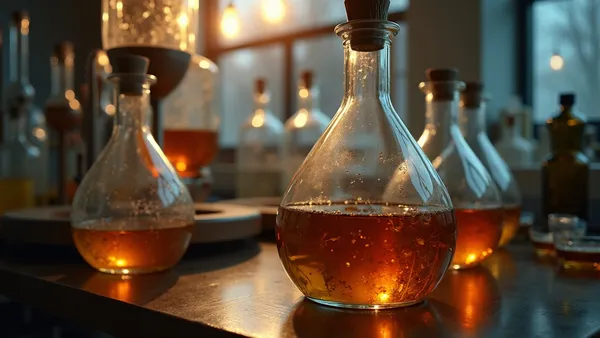 ExtractionEthanol Extraction
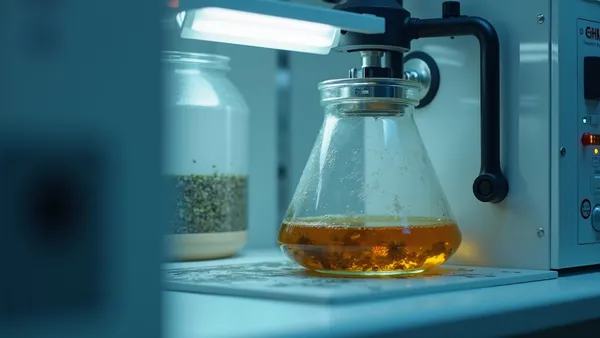 ExtractionMicrowave-Assisted Extraction
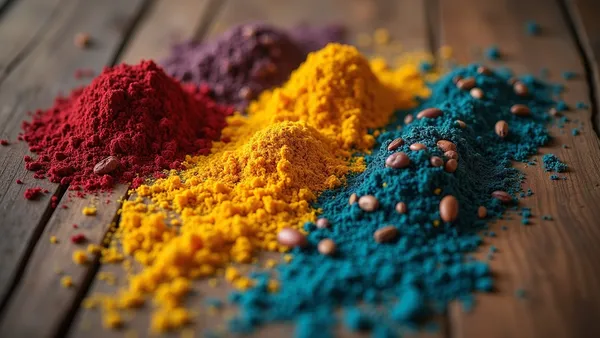 ExtractionNatural Dye Extraction and Use
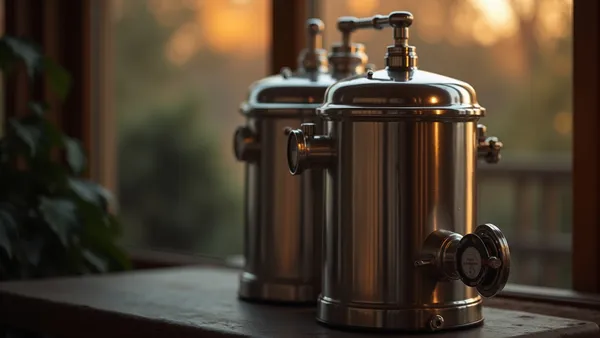 ExtractionPressurized Hot Water Extraction
 ExtractionSteam Distillation