Guides
Sugar Cane (Saccharum officinarum) Extraction Guide: Juice, Polyphenols, Wax and Bagasse
How to turn noble sugar cane (Saccharum officinarum) into a cold press syrup, a flavone and phenolic acid extract from the juice, leaves and bagasse, or a crude rind wax with policosanols, and which compounds each route keeps.
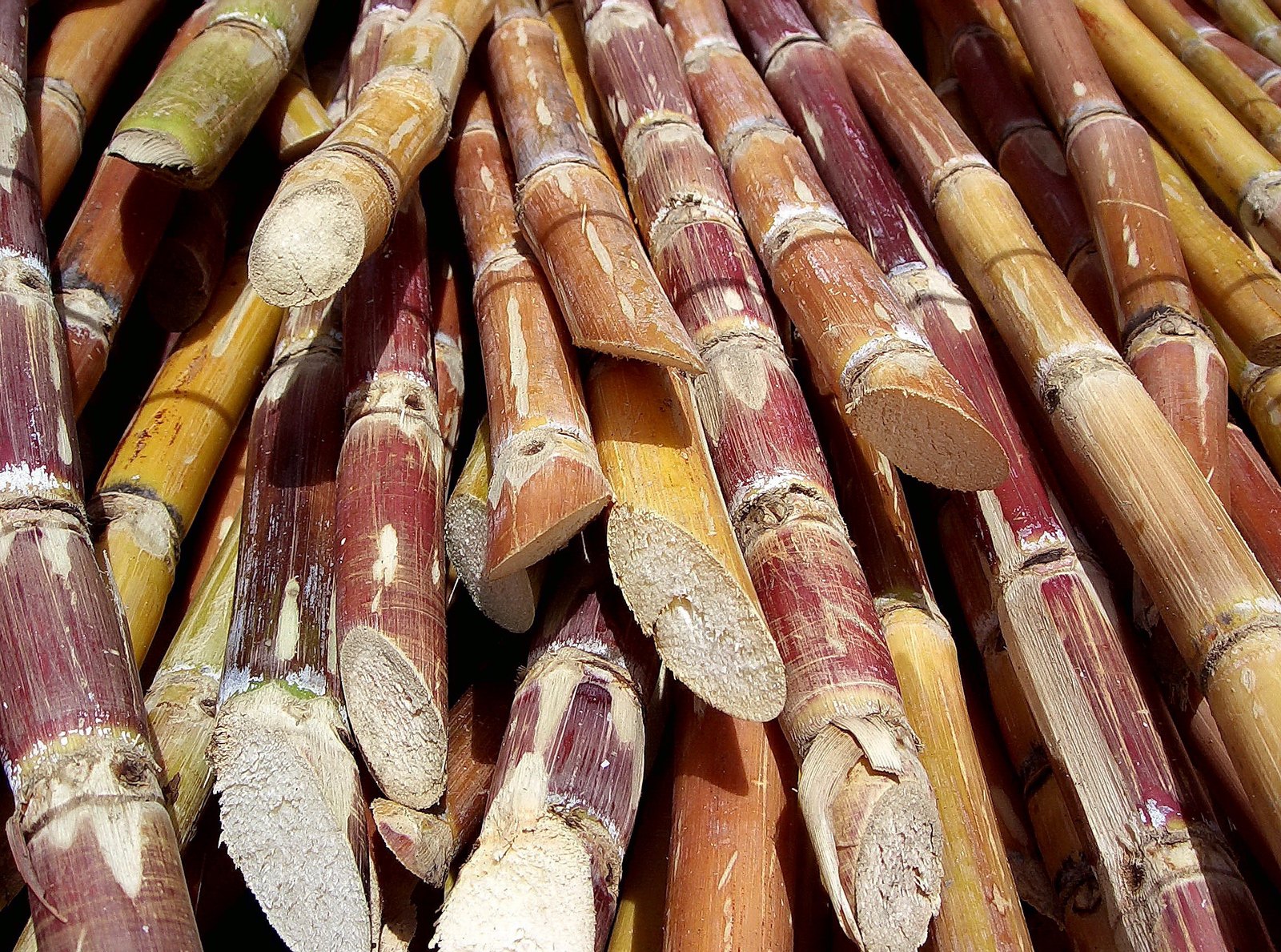
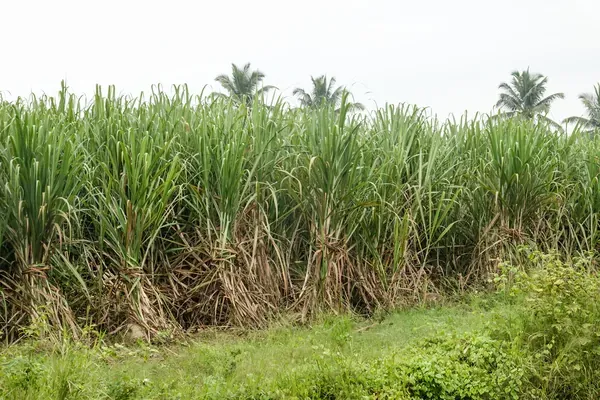
Photograph: ruurmo, CC BY-SA 2.0. Source: Wikimedia Commons

On this page
Introduction
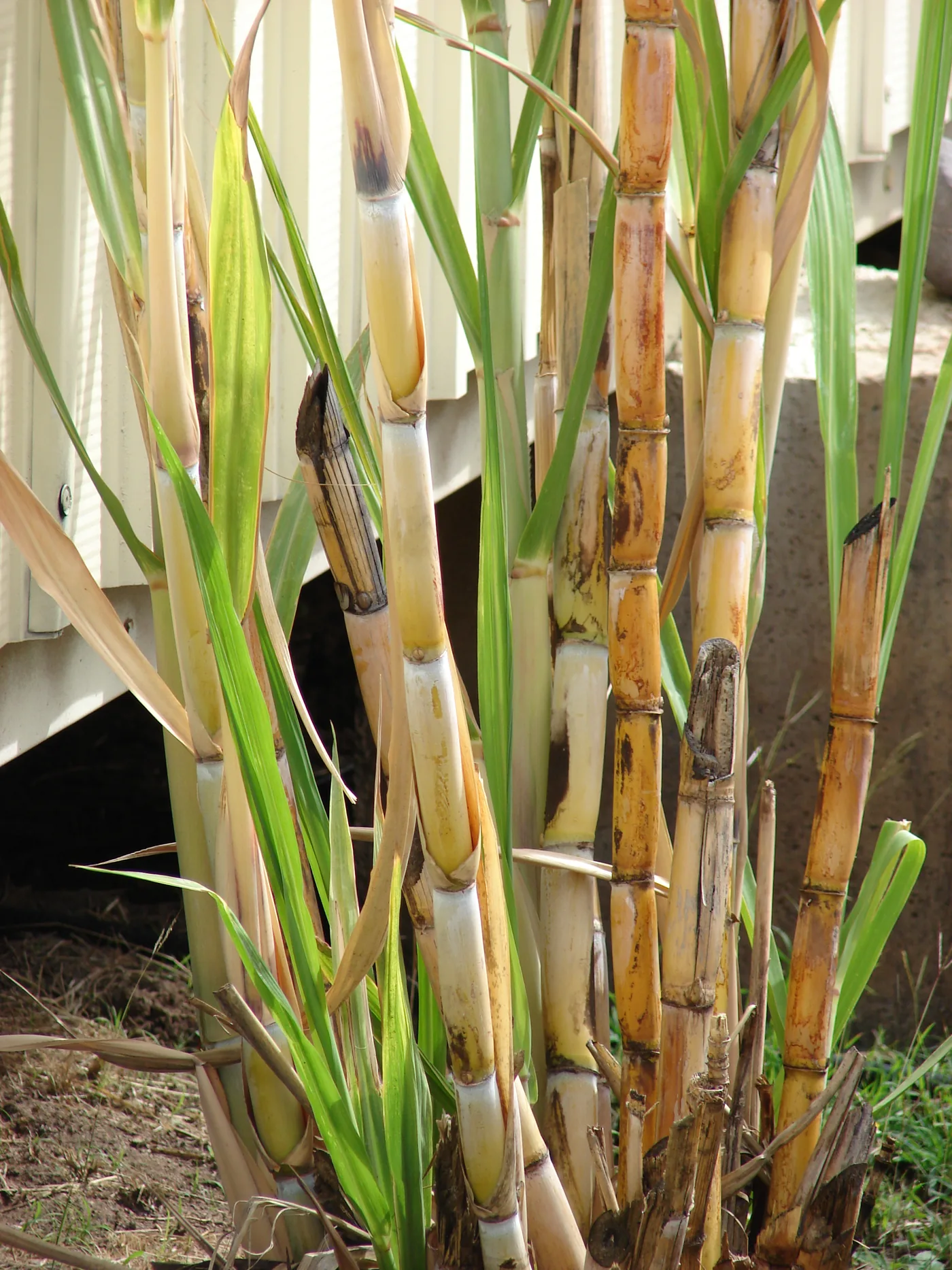
Sugar cane is Saccharum officinarum, the noble cane, a tall perennial grass with thick, juicy stalks. Most people know it only as the source of table sugar, but the plant holds four separate groups of compounds in four separate places. The juice carries sucrose, glucose and fructose, and a small amount of flavones and phenolic acids. A waxy coating on the rind carries long-chain alcohols called policosanols. Leaves and rind carry flavones such as apigenin, luteolin and tricin. What is left of the crushed stalk after pressing, called bagasse, is mostly cellulose, hemicellulose and lignin.
That spread is why one solvent does not suit the whole plant. This guide matches the method to the compound: water and a cold press for the juice, watery ethanol for the flavones and phenolic acids, and a nonpolar solvent only for the wax. The first route follows the most abundant compound, which is sucrose, and sucrose is polar. Because cane is a juicy tissue, both juice routes are covered, and the guide says plainly where each one fits the chemistry and where it does not.
Summary
- The parts: the juice, the rind and its wax, the leaves and tops, and the bagasse. The roots are not covered.
- Most abundant: sucrose, then glucose and fructose. All three are polar and follow water.
- In the middle: flavones (apigenin, luteolin, tricin) and phenolic acids. Watery ethanol and ethyl acetate take them.
- Everyday uses: juice the stalks and boil off the water for sugar, syrup, jaggery or molasses, or use the sugar in a fermented plant juice. No solvent is needed for any of these.
- Nonpolar: the policosanols in the rind wax. This compound needs a nonpolar solvent such as heptane.
- Juice routes: Route A dries the juice and extracts the powder. Route B filters the juice further and washes it with ethyl acetate.
- Method style: quick ultrasonic soaks, filter, repeat, then a rotary evaporator at low temperature under deep vacuum.
- Care: raw juice spoils in hours, sugar matters for diabetes, and solvents are flammable. No dose is given here.
Everything below is written for a person with a juicer or press, an ultrasonic bath, a scale and a rotary evaporator, working in small batches and keeping notes on each one.

Read the sections in order the first time, because the juice comes before the polyphenols and the wax, and the section on the best method for each compound ties them together.
Cane Composition by Part
A single stalk is several materials stacked together. Pressed juice is mostly water with sugar dissolved in it. In one metabolite profile of Saccharum officinarum juice, sucrose made up about two thirds of everything identified, with glucose at 6.3 percent and fructose at 0.72 percent of the same count. A food composition entry gives 8.55 g of total sugars in 100 mL of juice. Those figures are measured on different bases, so read them as the order of the compounds and not as one set of numbers.
The plant compounds that are not sugar sit in small amounts. The same juice profile found total phenolics of 93 mg gallic acid equivalents per 100 g of extract and total flavonoids of 259 mg quercetin equivalents per 100 g. Reviews of the whole plant agree that the polyphenols of cane are mainly flavonoids and phenolic acids, and that the main flavonoids are derivatives of apigenin, luteolin and tricin, many of them with a sugar attached by a carbon bond. Each part of the plant is summarized here with the polarity that decides its solvent.
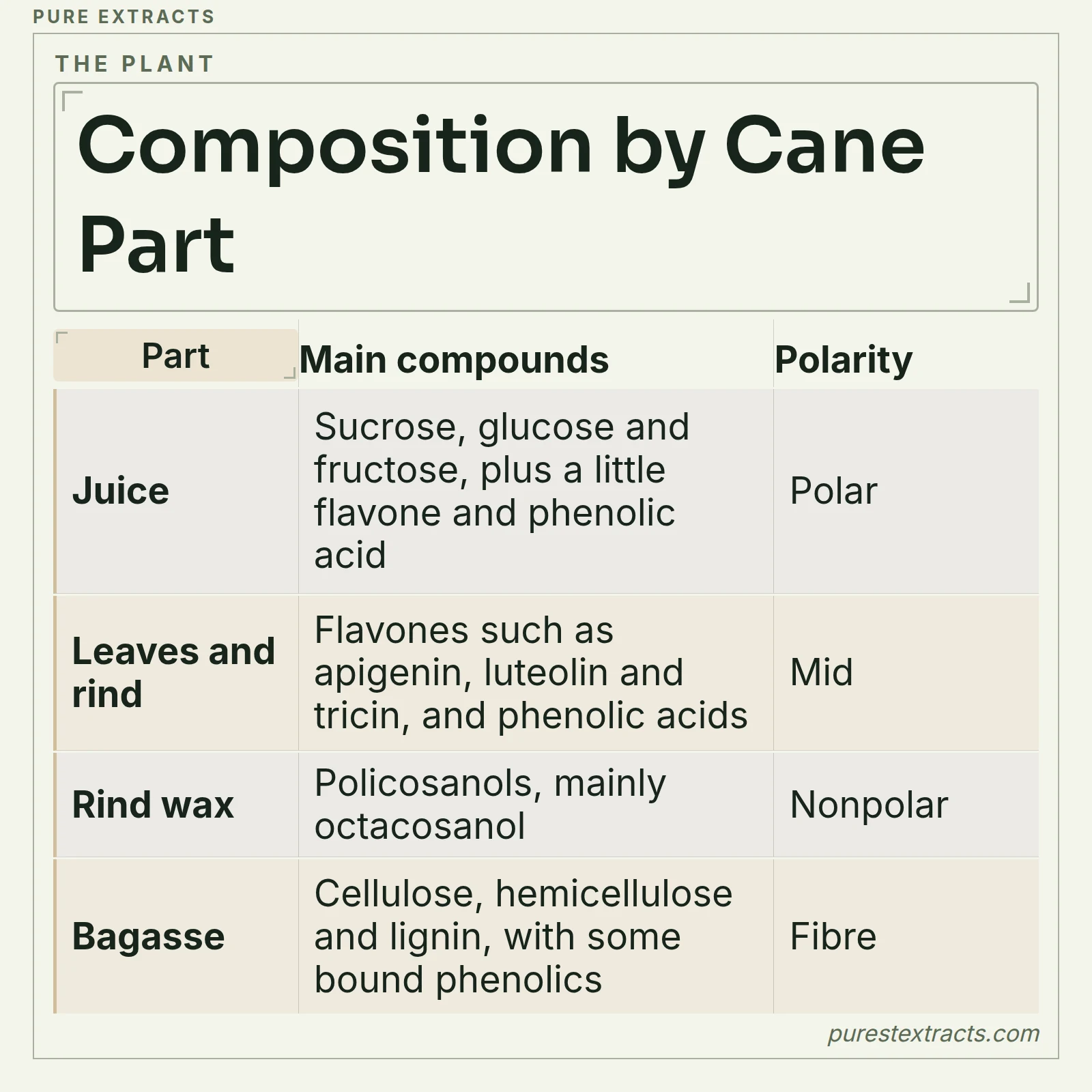
The practical point is that the amounts are very uneven. Sugar is the bulk of what the juice holds, and the flavones and phenolic acids are a small fraction beside it, so any route aimed at the flavones has to deal with the sugar first.
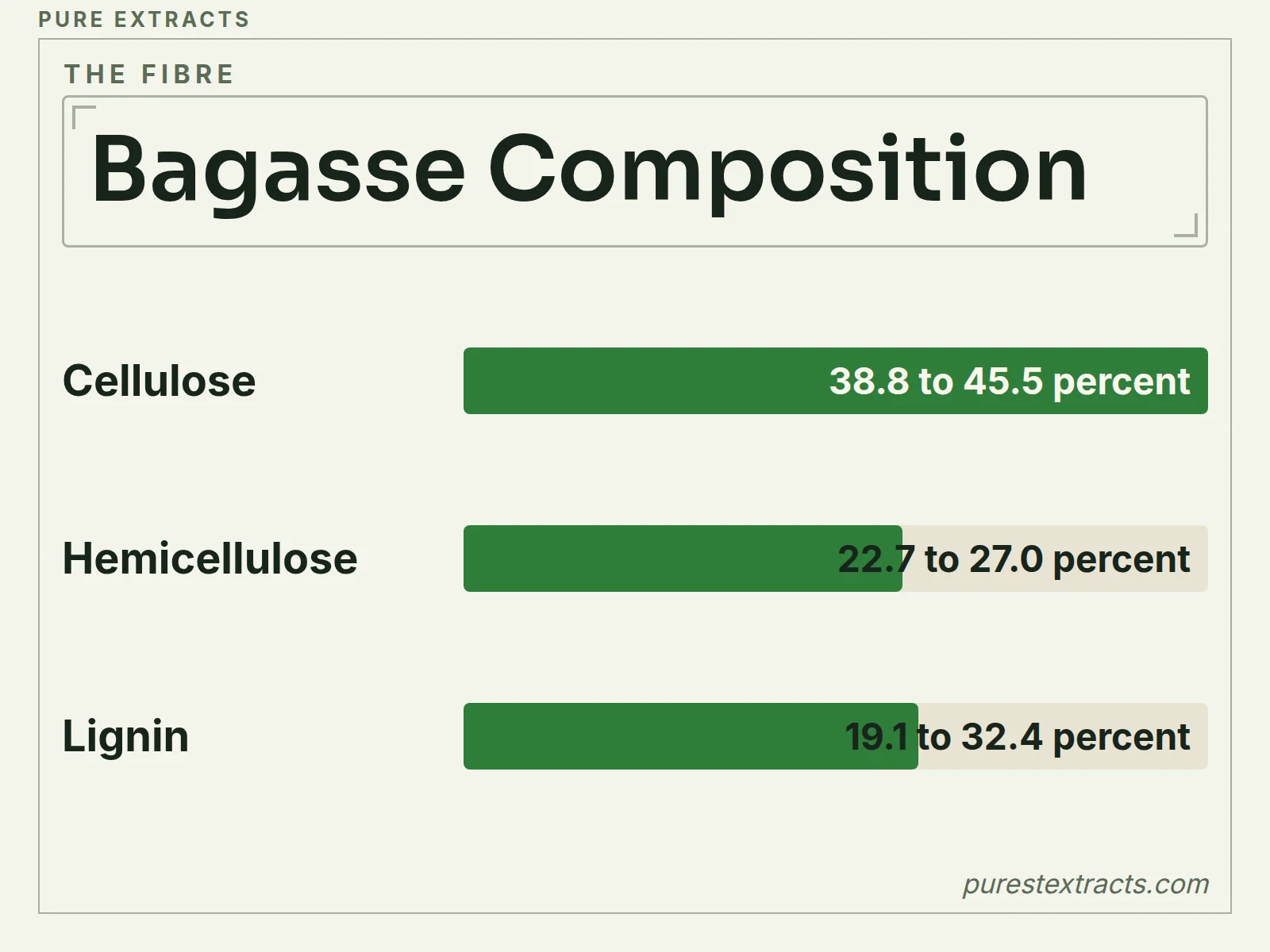
The bagasse is the opposite case. It is a fibrous solid, and reported compositions for it run from about 38.8 to 45.5 percent cellulose, 22.7 to 27.0 percent hemicellulose and 19.1 to 32.4 percent lignin, with 1.0 to 2.8 percent ash. These figures vary by cane type and by laboratory method, which is why they are given as ranges.
Simple Processes For Everyday Uses
Most people want sugar from cane, and the simple way gets it: juice the stalks and boil off the water. No solvent is used anywhere in this section, and none of these processes needs a lab. The complicated extraction methods later in the guide are not always the useful ones.
It is also how we use our own cane. We grow Thai purple and heirloom sugar cane, and we make sugar from them for Korean natural farming ferments and for molasses-type additions to our nutrients, which feed the microbes in the soil.
Sugar
Press the stalks, strain the juice through a cloth and pour it into a wide stainless pot. Boil off the water over steady heat, stirring and skimming the foam, until the juice thickens, then stir off the heat until it turns grainy. The result is a coarse, brown, unrefined sugar. Plan on 2 to 4 hours for a few liters, because a wide pot boils off faster than a deep one. Raw juice spoils in hours, so start boiling the same day it is pressed.
Syrup
Boil the strained juice, skimming the foam, until it coats a spoon. As a rough guide, 4 to 6 parts of juice make 1 part of syrup by volume. Pour it hot into clean jars and keep it in the refrigerator. This takes 1 to 3 hours for a few liters.
Jaggery
Keep boiling the juice past the syrup stage, stirring constantly, until it reaches about 240 degrees F (116 degrees C). Pour it into molds and let it set for about 30 minutes. The whole run takes 2 to 4 hours, and the block keeps for months in a dry jar.
Molasses
For a molasses-type syrup, cook the juice down to a dark, heavy syrup, cool it and store it in a jar in the refrigerator. This takes 3 to 5 hours for a few liters. We use it as a molasses-type addition to nutrients for the microbes in the soil.
Fermented plant juice
Korean natural farming makes fermented plant juice from fresh plant tips and sugar. Weigh the plant material, mix it with an equal weight of brown sugar (cane sugar or crushed jaggery works), pack the jar about two-thirds full, cover it with a breathable cloth and keep it out of the sun. It ferments for about 7 days, and then the liquid is strained off and kept cool (University of Hawaii CTAHR bulletin SA-7).
Every process above stops at sugar, syrup or a ferment. For the lesser-known compounds in the plant, see Advanced Extracts further on.
Choosing the Part to Use
Choose the part by the compound you want, because each part holds a different set. This guide covers four, and each one has its own route later on.
- Juice. It holds the sugars and the dissolved flavones and phenolic acids. It is the easiest part to work with, and it is also the part that spoils fastest.
- The rind and its wax. The rind is coated with a thin wax layer that holds the policosanols. Wax is a small share of the stalk, so it takes a lot of rind to make a small amount of wax extract.
- Leaves and tops. They carry flavones, and one leaf study named a luteolin glycoside as the leaf compound with the strongest radical scavenging activity. Cane leaves have razor sharp edges, so cut and strip them with gloves.
- The bagasse. After pressing it still holds phenolic compounds bound in the fiber, and ethanol has been used on it to recover tricin, luteolin and p-coumaric acid.
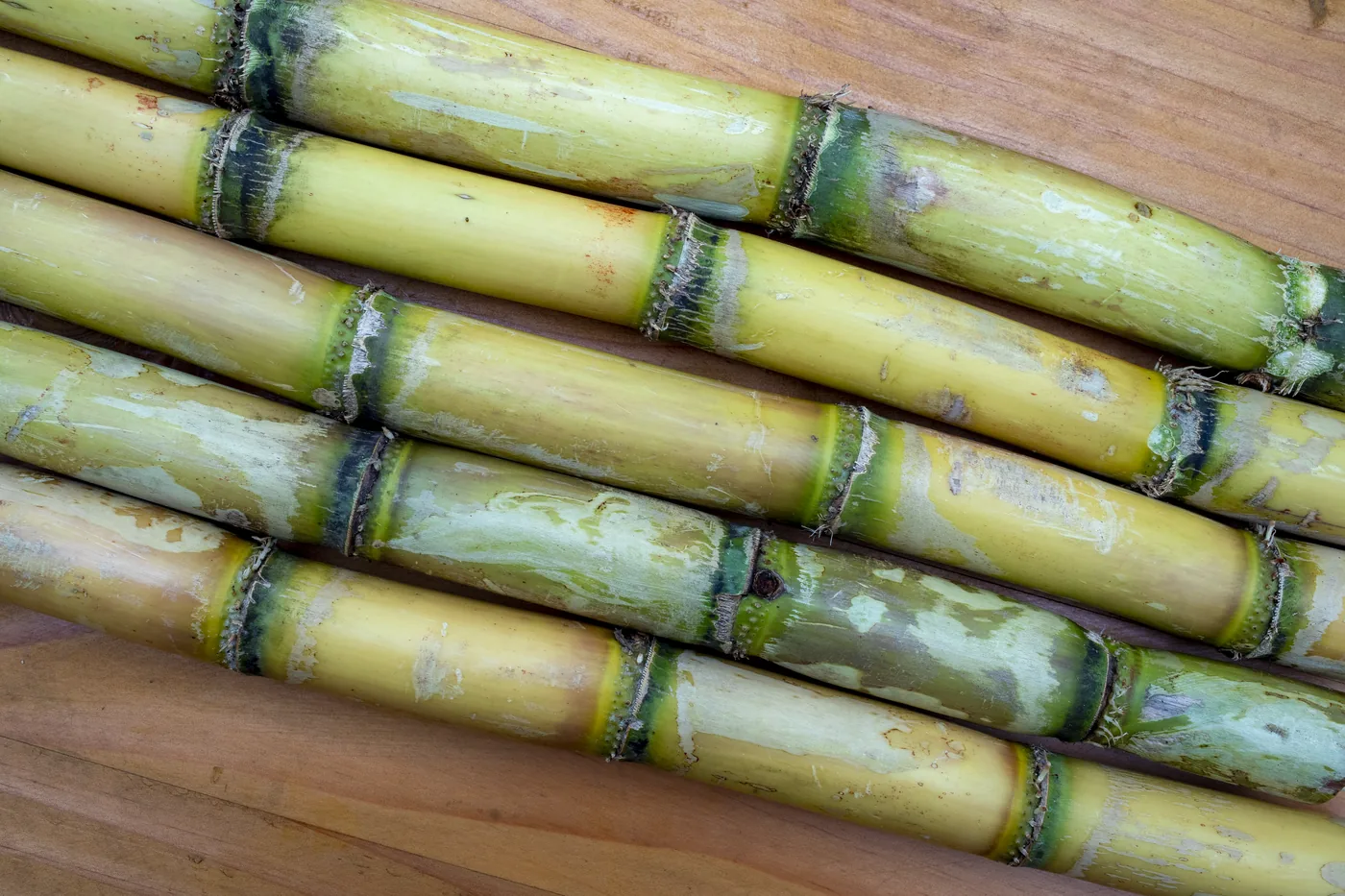
Noble cane has thick, soft and juicy stems with little fiber, which is why it presses well, and it is the type this guide assumes. A modern commercial hybrid has more fiber and less juice per stalk, and everything below still applies to it with a lower juice yield.

Whichever part you take, cut it fresh and keep it cool until you start, because every route below works better on material that has not sat in the sun.
How to Choose an Extraction Method for Any Herb
Match the method to the plant: what polarity and heat sensitivity mean, and which solvent pulls out which compounds.
For a More In-Depth Read, Click HereChoosing a Route
Start from the question of what you want out of the stalk. If the goal is the sugars and the dissolved solids, a cold press and a gentle concentration is all you need. To get the flavones and phenolic acids, the juice has to be cleared of sugar or the plant matter has to be soaked in watery ethanol. If the goal is the wax, the rind goes into a nonpolar solvent and the rest of the cane is not involved at all.
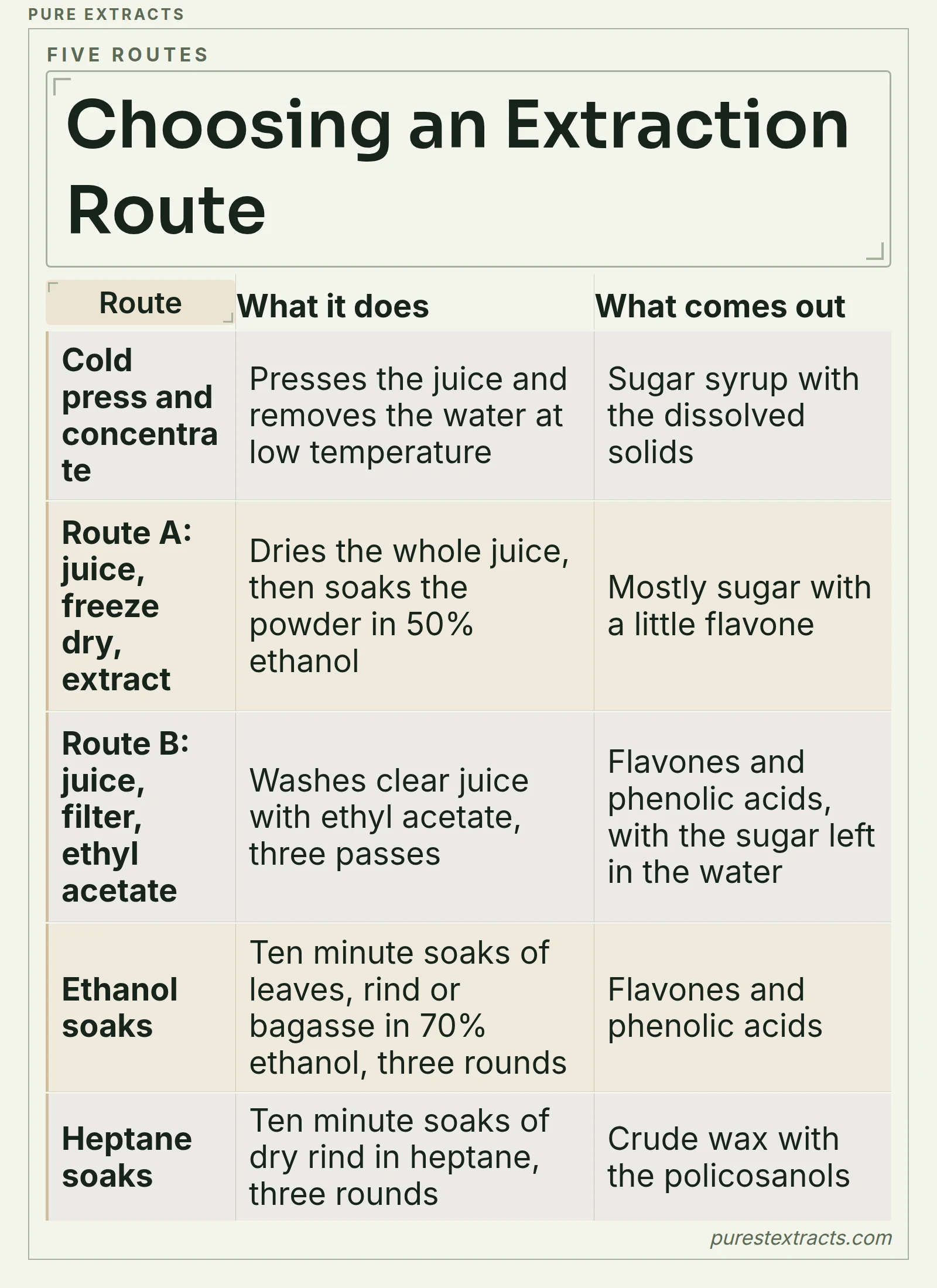
The routes can also be run in sequence on one batch of stalks. Strip the rind and soak it for the wax, press the peeled stalk for the juice, and soak the leaves and the pressed bagasse in watery ethanol, so that every part of the cane you cut goes into one extract or another.
Each route is written out in its own section, juice first and wax last, and the section on the best method for each compound pulls them together by chemistry.
Advanced Extracts
Cane also holds useful compounds that most people never get from the sugar route, and these need more careful work. This is the only place in the guide where other solvents are used: the sugar, syrup, jaggery and molasses above need none.
- Policosanols and wax. The wax coating on the rind holds long-chain alcohols called policosanols. A nonpolar solvent takes them, and the wax section covers the quick soaks.
- Polyphenols. The leaves, rind and bagasse hold phenolic acids and other polyphenols, which watery ethanol or an ethyl acetate wash of the juice recovers.
- Flavonoids. The flavones apigenin, luteolin and tricin sit in the same parts and follow the same polyphenol routes.
Choose an advanced route only when you want one of these compounds. If you just want sugar, stop at the simple processes. The routes below are written out in order, juice first and wax last.
Juice: Pressing and Keeping It
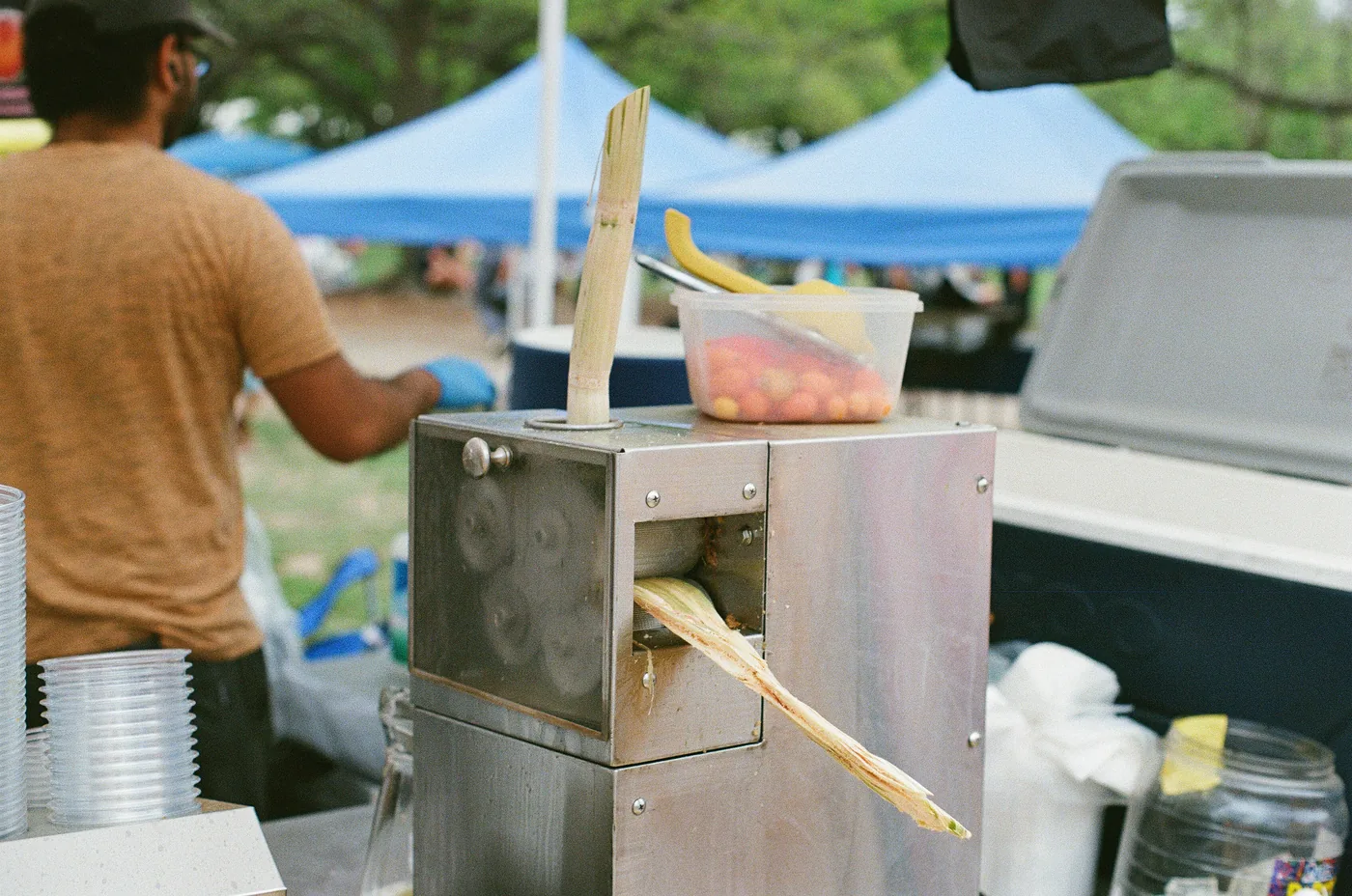
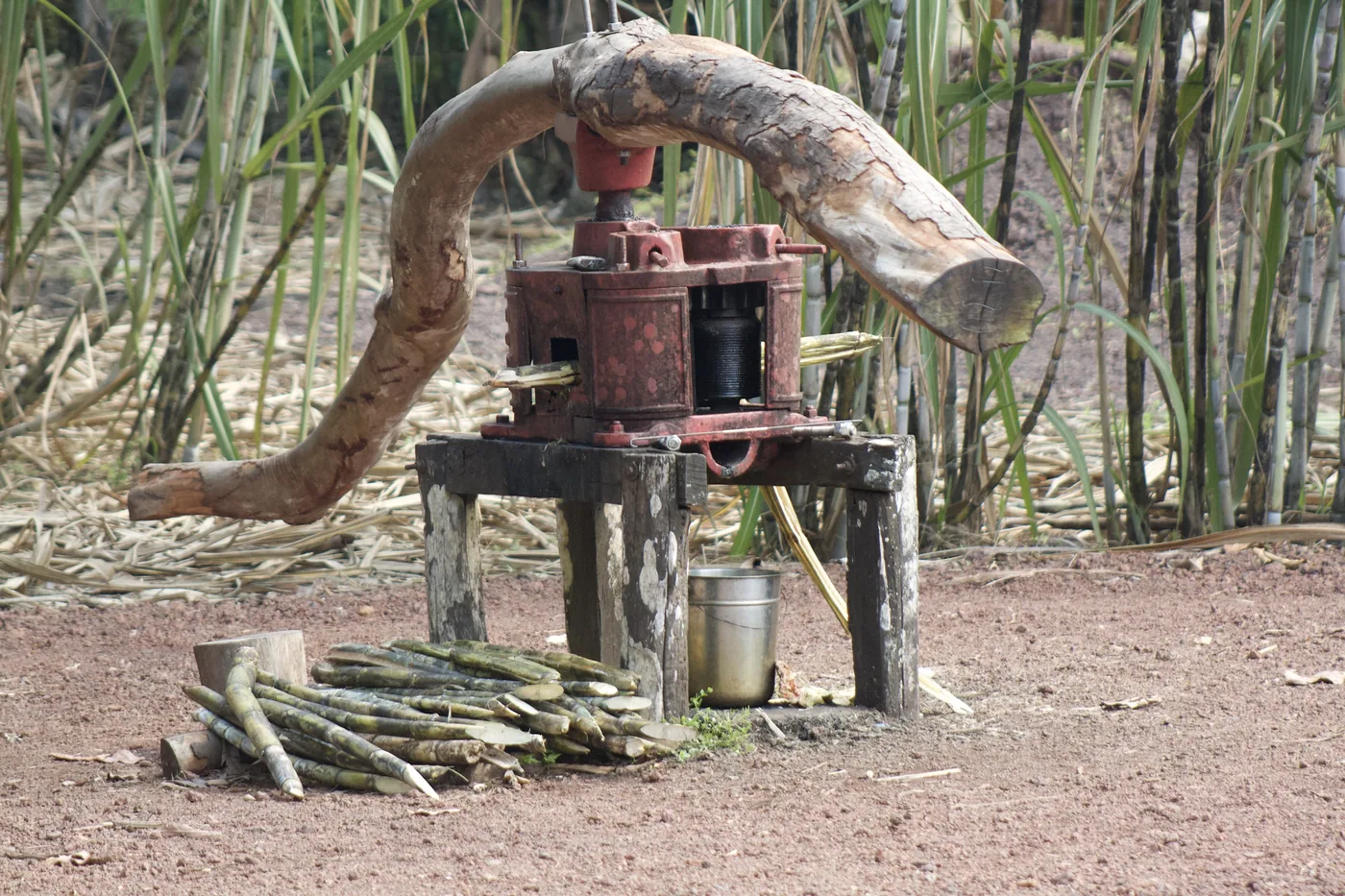
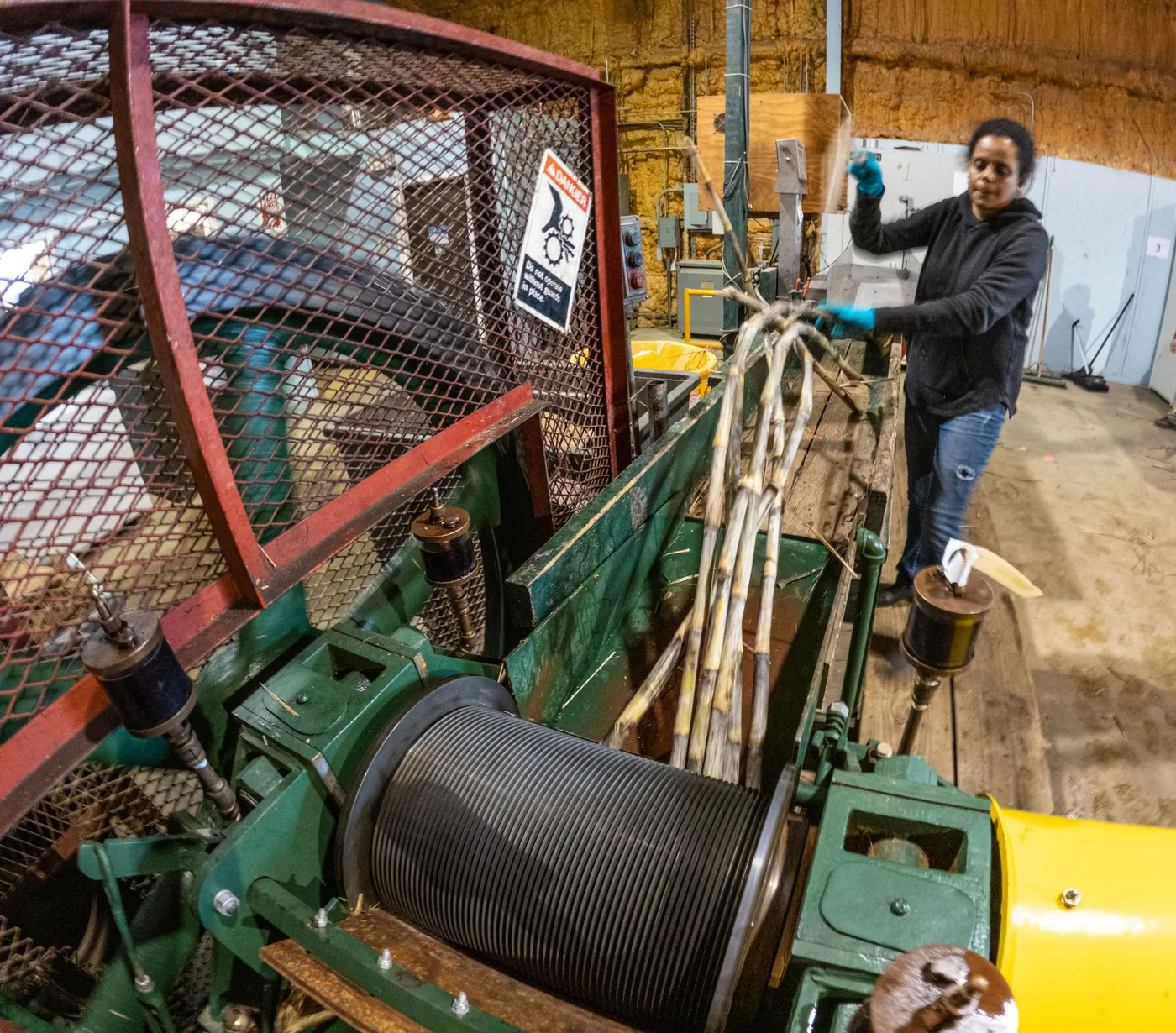
Juice comes first because it is both the largest and the most perishable product of the cane. Cut the stalk close to the ground, because the lower stalk is the richest in sugar, and trim off the green top that has no sugar-storing nodes. Wash the stalks, peel the rind if you plan to keep it for the wax, and feed the stalk through a roller press. A press with metal rollers that is cleaned after every batch is the right tool for small work.
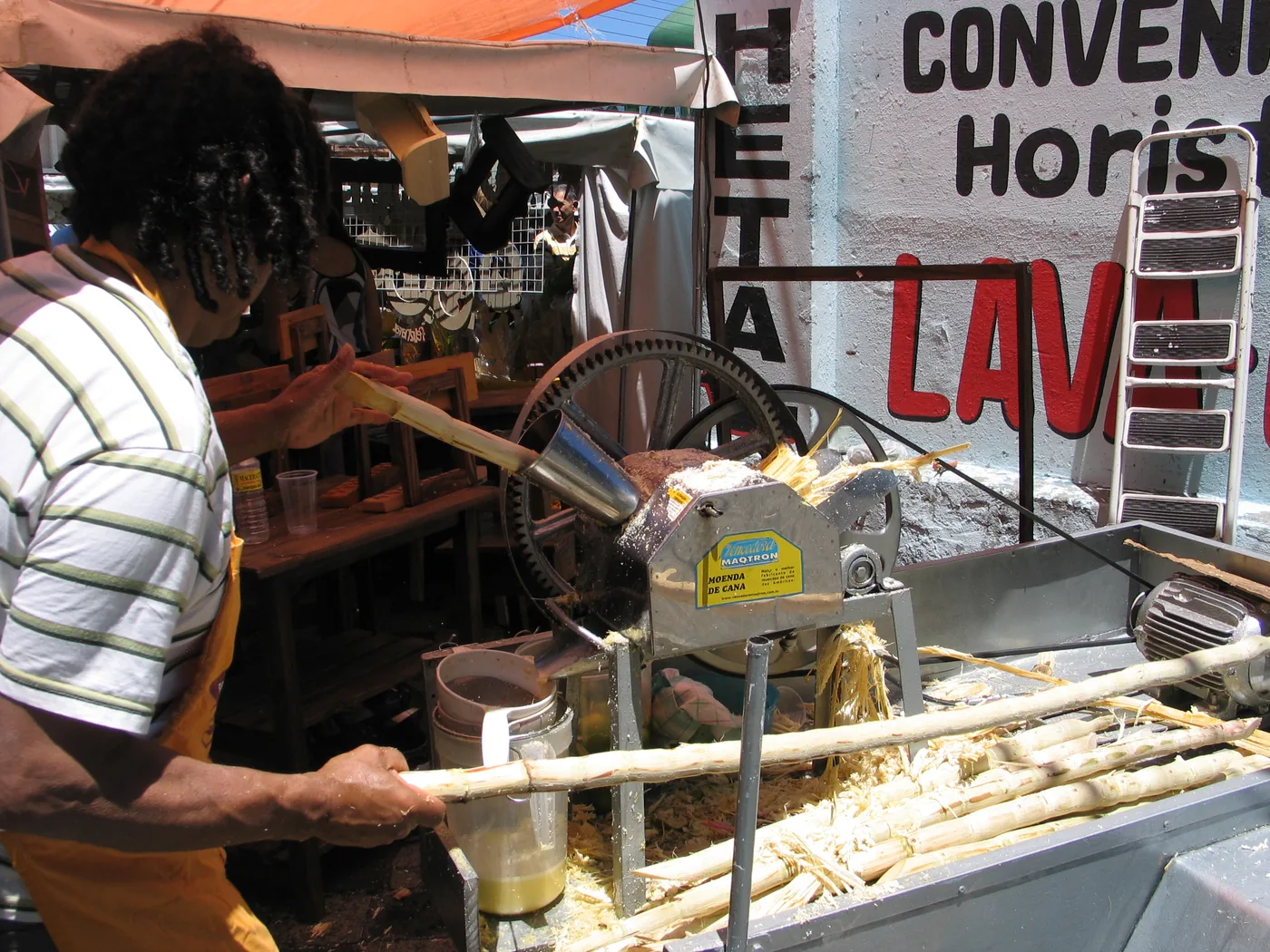

Raw cane juice is close to neutral in acidity, with a measured pH of 5.55 in one study, and that is the range where yeast and bacteria grow quickly. The same study put the shelf life of freshly pressed juice at a few hours. Browning begins at once because a plant enzyme, polyphenol oxidase, works on the phenolics when the cells are crushed.
Three habits follow from that. Press only what you will process the same day. Strain the juice through a clean cloth into a clean vessel and chill it on ice right away. Treat any juice you cannot process within hours as a food that has to be heated, acidified or frozen, and never leave it at room temperature overnight. Standardized, pasteurized and acidified juice at pH 4.35 held for 94 days at 4 degrees C in a laboratory study, but that result depends on aseptic bottling and heat treatment, and it is not a promise for a jar filled at home.
With the juice strained and cold, the next section covers the two ways to turn it into an extract.
Two Juice Routes
Both routes begin with the same strained juice, and both are honest about what the chemistry of cane allows. Sugar is about two thirds of what the juice holds, so whatever you do to the juice, the sugars come along unless you separate them out.
Route A: Juice, Freeze Dry, Then Extract the Powder
This route dries the whole juice into a powder and then extracts the powder with a solvent. It needs a freeze dryer, and we do not use one, so we present it as an option for people who own one.
- Strain the juice through a cloth and then through a coffee filter to remove fiber.
- Pour it into shallow trays no deeper than half an inch, and freeze it solid at 0 degrees F (-18 degrees C) or colder.
- Run it in the freeze dryer until two weighings two hours apart give the same weight.
- Scrape the powder into a glass jar with a silica gel packet and keep it dark and dry.
- Weigh 10 g of powder into a jar and add 100 mL of 50 percent ethanol, a ratio of 1 to 10. Sonicate in quick soaks, filter and repeat.
Here is where this route does not fit cane. The powder is mostly sucrose, and sucrose dissolves in 50 percent ethanol as well, so the extract you get is a sugary solution with a small amount of flavones and phenolic acids in it. The route keeps nearly everything in the juice together, which is useful if you want the whole juice solids, and it is a poor way to concentrate the polyphenols. Dry juice powder also takes up moisture from the air and turns to a sticky mass if the jar is left open.

Route B is the other way to use the same juice, and it answers the problem that Route A leaves open.
Route B: Juice, Filter Further, Then an Ethyl Acetate Wash
This route treats clear juice as a watery layer with sugar in it and uses a solvent that does not mix with water to pull out the middle compounds. Ethyl acetate is the usual choice for flavones and phenolic acids, because it takes the ones with little sugar attached and leaves the sugar behind in the water.
- Strain the juice and then filter it through a fine paper, so that no pulp forms a cloudy layer between the liquids.
- Pour 200 mL of clear juice into a separatory funnel on a ring stand, outdoors or under a fume hood.
- Add 100 mL of ethyl acetate, stopper it, invert it, vent it, and shake gently for a minute.
- Let the layers settle and drain the lower watery layer into a clean jar. Keep the upper ethyl acetate layer in a second jar.
- Return the watery layer to the funnel and repeat with fresh solvent two more times, for three passes in total.
- Combine the ethyl acetate layers and evaporate them on the rotary evaporator at low temperature under deep vacuum.
Working recipe.
The 2 to 1 ratio of juice to ethyl acetate and the three passes are working values from general practice and are not tested figures for cane juice. Treat the first batch as a trial and write down what it gives.
The watery layer that remains still holds the sugars and the polar flavone glycosides, so keep it for the first route and do not pour it away. This route fits the flavones and phenolic acids well and fits the sugars not at all, which is the reason to run both halves of the juice through different routes.
Cold Press and Low Temperature Concentration
This is the route for the most abundant compounds, sucrose, glucose and fructose, and it is the simplest of all. Water is the solvent, the press is the extraction, and the only work left is to remove the water without scorching the sugars.
- Press and strain the juice, and keep it on ice.
- Keep the juice cold until it goes into the flask, because the browning enzyme works fastest in warm juice.
- Pour the juice into the flask of the rotary evaporator, no more than half full. One study reports that a heat step near 55 degrees C slows the browning enzyme, so a warm start is not harmful, but it is not required.
- Run the bath at 105 degrees F (about 40 degrees C) or lower under deep vacuum and evaporate the water.
- Stop when the juice has thickened to a syrup, and pour it hot into clean jars.
That is the whole route, and it is the same one a small syrup maker follows with the heat turned down.

Boiling the juice in an open pan is the traditional way to make syrup, and it works, but it browns the sugars and the phenolics and drives off nearly all the flavor compounds. Low temperature vacuum evaporation is slower and it keeps more of the plant compounds intact, which is the reason for the rotary evaporator in this guide.
A hot water extraction of the bagasse is the companion step. Cover the pressed bagasse with water at about 60 degrees C, hold it for 30 minutes, strain it and add that liquid to the juice, because the fiber holds juice that the press did not release. This route keeps the sugars and the water-soluble flavone glycosides and loses the wax, the lignin and anything that needs a stronger solvent.
How to Make a Glycerite: Glycerin Herbal Extracts
The alcohol-free extract: which herbs suit vegetable glycerin, how much water to add, how to make it and how long it keeps.
For a More In-Depth Read, Click HerePolyphenols From the Leaves, Rind and Bagasse
The flavones of cane sit in the leaves, the rind and the bagasse in a higher share than in the juice, so those are the best starting materials for them. Reported work uses ethanol and water mixtures, and a patent for a cane extract describes a mixture of roughly 70 to 85 percent ethanol. A watery ethanol takes the flavone glycosides and the phenolic acids and leaves most of the fiber and the wax behind.

Chop or grind the dry leaves and rind to a coarse powder so the solvent can reach the cells, and weigh the material before you start.
- Weigh 10 g of ground material into a jar and add 100 mL of 70 percent ethanol, a 1 to 10 ratio.
- Sonicate for 10 minutes in the ultrasonic bath, keeping the water cool so it does not climb above about 105 degrees F.
- Filter through paper and keep the liquid in an amber jar.
- Return the solids to the jar with fresh 70 percent ethanol and repeat the soak twice more.
- Combine the three liquids and evaporate the ethanol on the rotary evaporator at low temperature under deep vacuum.
The leaf study that identified luteolin-8-C-(rhamnosylglucoside) as the most active leaf compound, and the bagasse study that isolated tricin, luteolin and p-coumaric acid, are the reason these parts are worth soaking. The 10 minute soaks, the three rounds and the 1 to 10 ratio are working values from our own routine and not tested figures for cane, so run the first batch as a trial and write down the weight of extract it gives.
Quick soaks repeated three times beat one long soak for a plant like this, because fresh solvent keeps the gap between what is in the plant and what is in the liquid wide, and nothing sits in warm solvent for hours. The extract that remains after the rotary evaporator is a brown, sticky residue of flavones, phenolic acids and the small amount of sugar that came along.
Wax: The One Place for a Nonpolar Solvent
The wax is a small part of the cane, and it is the only part where a nonpolar solvent is the right tool. The cuticle wax of the rind holds the policosanols, which are long-chain alcohols, and the main one is octacosanol with 28 carbon atoms. In one fractionation study of degreased cane wax the higher fatty alcohols made up 13.27 percent of the wax, and octacosanol was 57.45 percent of those alcohols.
The wax does not dissolve in water, so juice and watery ethanol leave it behind. A hydrocarbon such as heptane, or butane in a closed system, takes it. Reported crude wax yields for hexane from cane material are 7.2 to 8.3 percent, and other solvents such as limonene and pinene gave 18.0 to 64.4 percent crude wax in the same literature, though crude wax is a mixture and a high figure does not mean a high policosanol content.
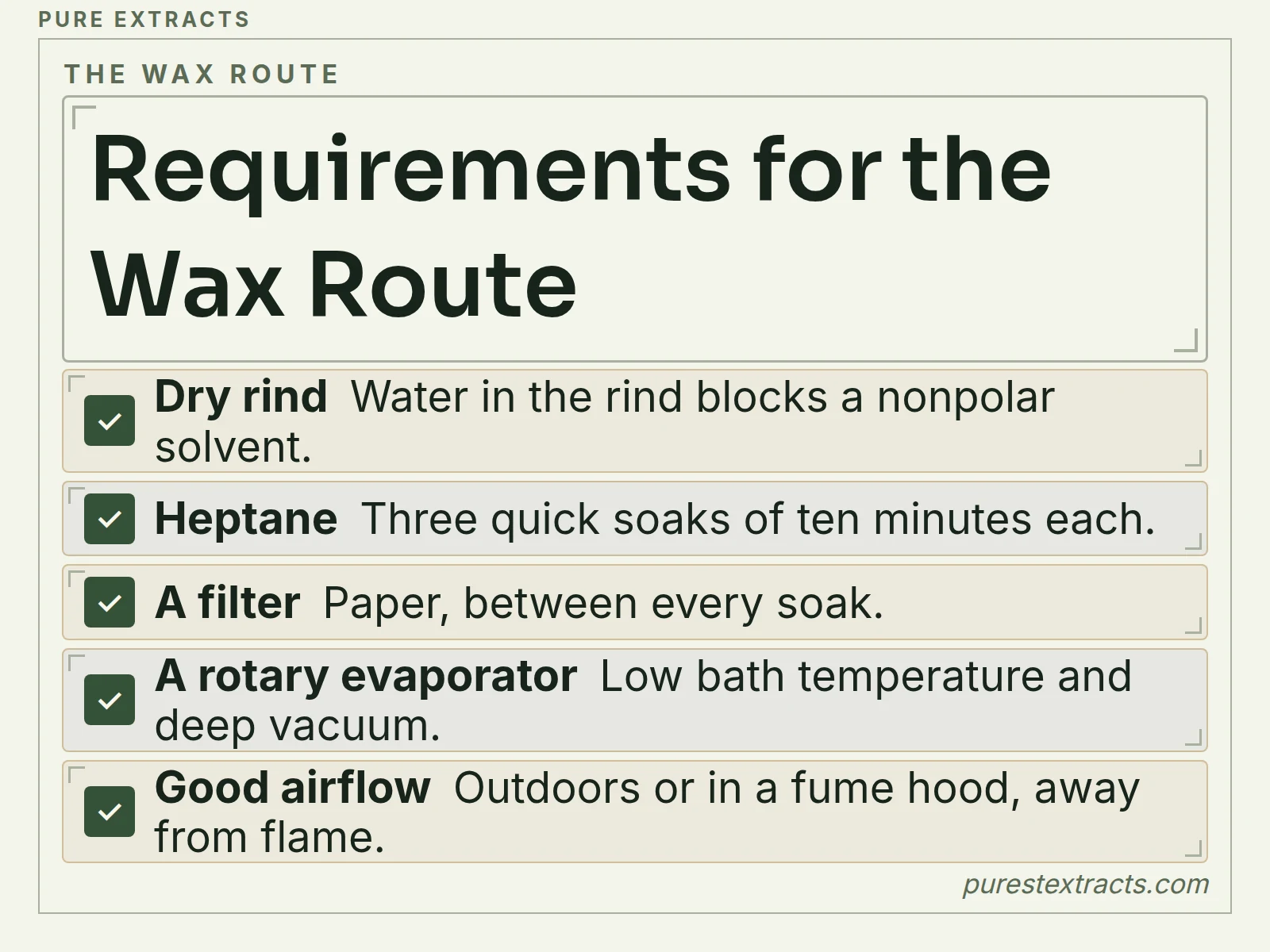
The routine is short, and it uses the same quick soak habit as the other routes.
- Scrape or peel the rind from dry stalks and let it dry completely, since water in the rind blocks the nonpolar solvent.
- Weigh 10 g of dry rind into a jar and add 100 mL of heptane.
- Sonicate for 10 minutes, filter, and repeat twice with fresh solvent.
- Evaporate the combined liquid on the rotary evaporator at low temperature under deep vacuum, in a hood or outdoors with no flame nearby.
This gives a crude wax. Turning it into a purified policosanol takes the steps used in the published work, which include degreasing, treatment with strong ethanol at about 90 percent and a ratio of 14 parts of solvent to 1 part of wax, and often a saponification with a strong alkali, and that is industrial work we do not describe as a home method. The crude wax route is the home-scale version.
Bagasse: What Is Left After Pressing
Bagasse is the fibrous stalk that comes out of the press, and by weight it is the largest leftover of the whole process. It is mostly cellulose, hemicellulose and lignin, which are structural polymers and not the small compounds the other routes target.
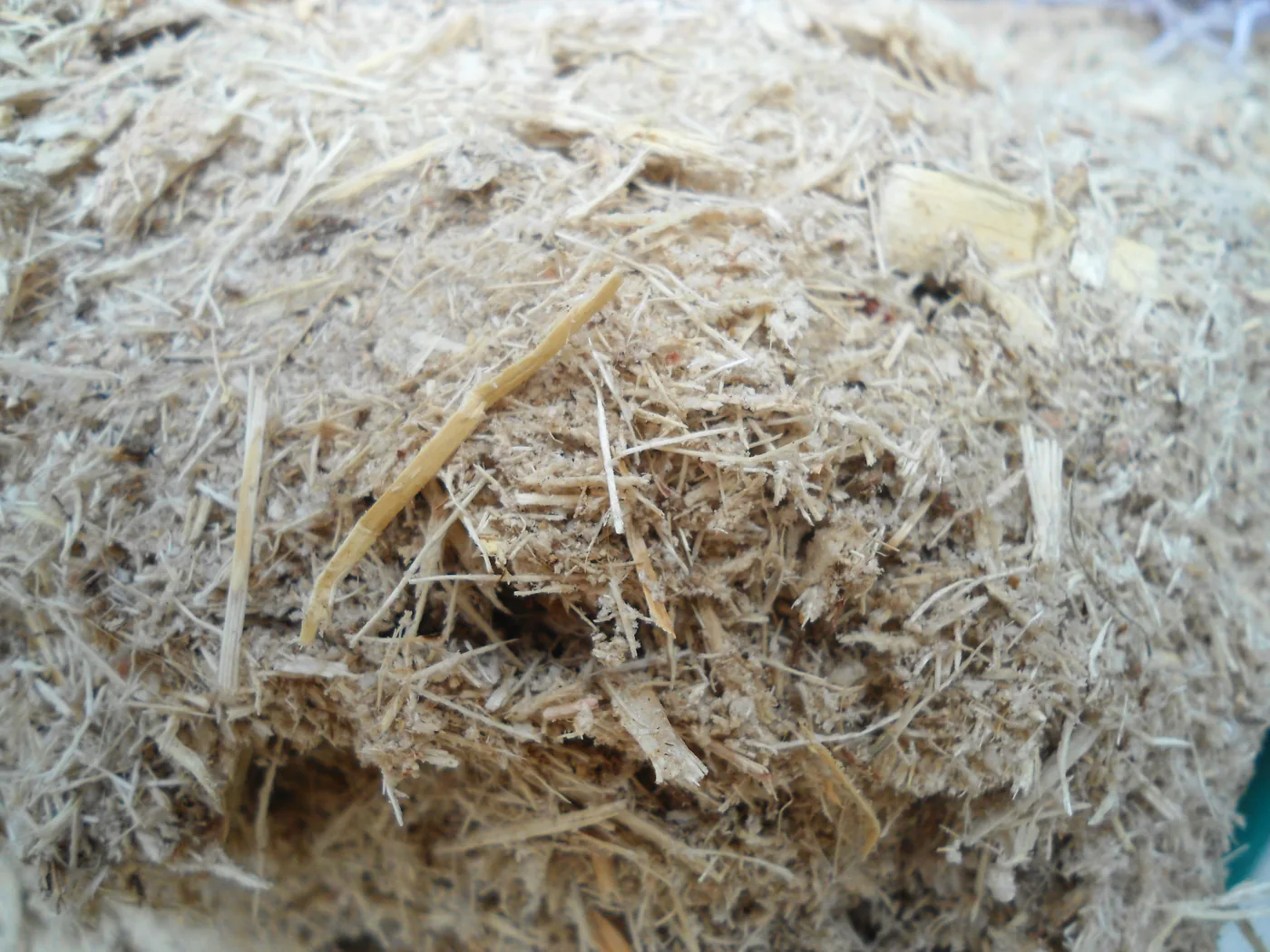

The three polymers are not dissolved by the solvents in this guide, so for extraction the bagasse is a source of two things. It still holds the bound phenolic compounds mentioned in the polyphenol section, and it holds the juice the press left in the fiber, which a hot water wash recovers.
Beyond that, the fiber has uses of its own, including paper, mulch, animal feed, and fuel for the heat of a boiler, and the ash can go back to the soil as a source of minerals. If you want to separate the three polymers themselves, that is a pulping job with strong chemicals and it belongs in a mill, not in a workshop with a rotary evaporator. For a small operation, the sensible use for bagasse after the two soaks is to dry it and use it as mulch or compost.
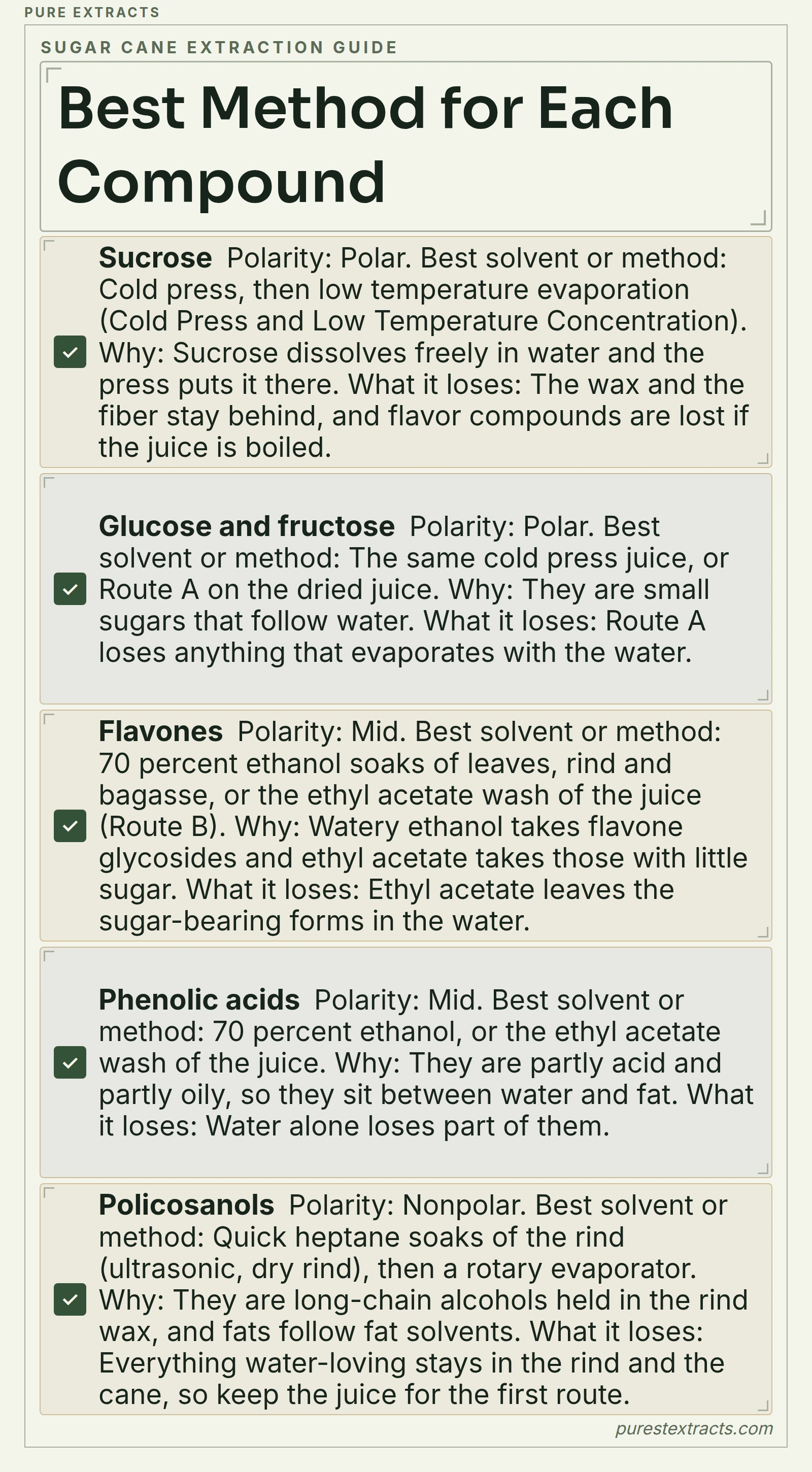
Best Method For Each Compound
The whole guide comes down to one decision, and it starts with what the cane holds the most of. Sucrose is about two thirds of the juice's identified compounds, and glucose and fructose follow it, so the first route in this guide is the one that works in water. The flavones and phenolic acids sit in the middle, and the policosanols are the only nonpolar compounds.
| Compound | Polarity | Best solvent or method | Why | What it loses |
|---|---|---|---|---|
| Sucrose | Polar | Cold press, then low temperature evaporation (Cold Press and Low Temperature Concentration) | Sucrose dissolves freely in water and the press puts it there | The wax and the fiber stay behind, and flavor compounds are lost if the juice is boiled |
| Glucose and fructose | Polar | The same cold press juice, or Route A on the dried juice | They are small sugars that follow water | Route A loses anything that evaporates with the water |
| Flavones | Mid | 70 percent ethanol soaks of leaves, rind and bagasse, or the ethyl acetate wash of the juice (Route B) | Watery ethanol takes flavone glycosides and ethyl acetate takes those with little sugar | Ethyl acetate leaves the sugar-bearing forms in the water |
| Phenolic acids | Mid | 70 percent ethanol, or the ethyl acetate wash of the juice | They are partly acid and partly oily, so they sit between water and fat | Water alone loses part of them |
| Policosanols | Nonpolar | Quick heptane soaks of the rind (ultrasonic, dry rind), then a rotary evaporator | They are long-chain alcohols held in the rind wax, and fats follow fat solvents | Everything water-loving stays in the rind and the cane, so keep the juice for the first route |
A batch that uses the whole cane is the efficient one. Take the rind for the wax, press the peeled stalk for the sugars, and soak the leaves and pressed bagasse in ethanol for the flavones, and nothing you cut goes to the compost pile before it has given up something.
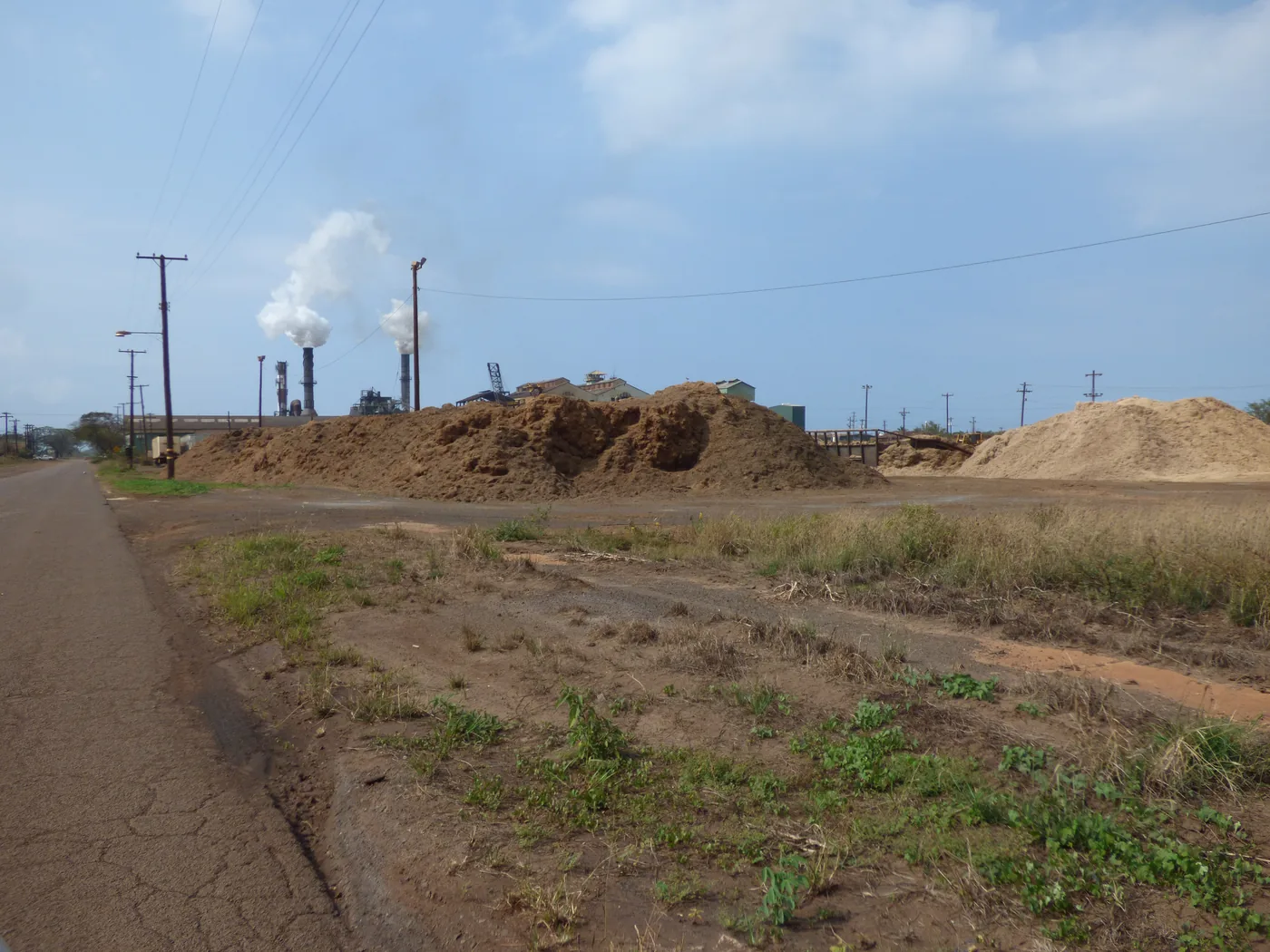

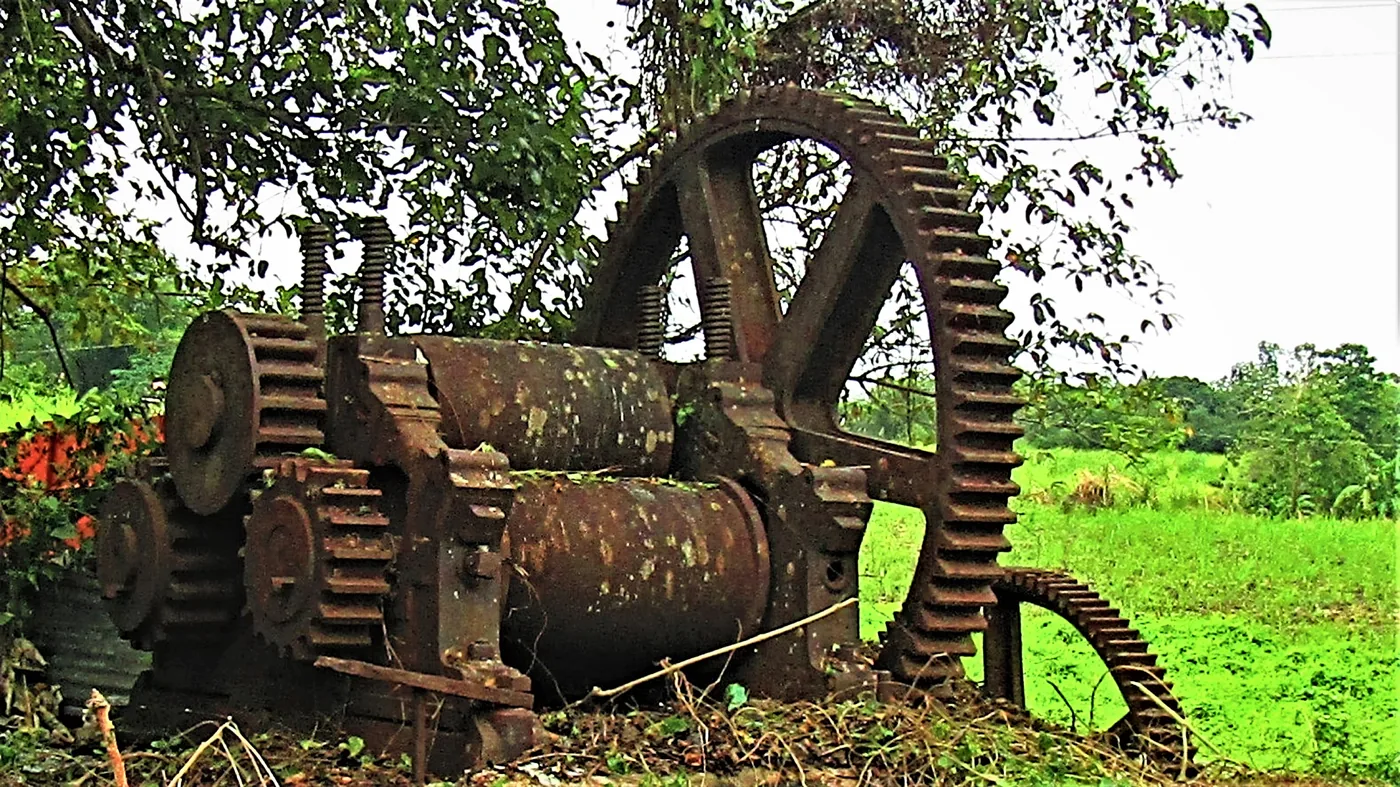
A sugar mill works on the same logic at a larger scale, pressing the juice first and sending the fiber on to be used as fuel.
Quick Ultrasonic Soaks and the Rotary Evaporator
The same two tools finish every route that uses a solvent, so it is worth setting them up once and learning them well. The soak does the extracting and the rotary evaporator removes the solvent, and the order is always the same: soak, filter, repeat, then evaporate.
Keep each soak short, around 10 minutes, and do three rounds. Short soaks keep the heat low, because an ultrasonic bath warms its water, and they let the fresh solvent do most of the work in the first minutes when the gap between the plant and the liquid is the widest. Watch the bath thermometer and add a little ice to the water if it climbs above about 105 degrees F. After each soak, filter at once, because compounds that have moved into the liquid can slide back into the plant material if they are left in contact.

The rotary evaporator is the finishing step. It turns the flask in a warm bath under vacuum, which lowers the boiling point of the solvent so it leaves at a temperature the compounds can take. Set the bath at 105 degrees F or lower, pull a deep vacuum, and turn the flask slowly. Heptane and ethyl acetate leave first and cleanly, and ethanol and water leave more slowly, so a watery extract takes the most time.
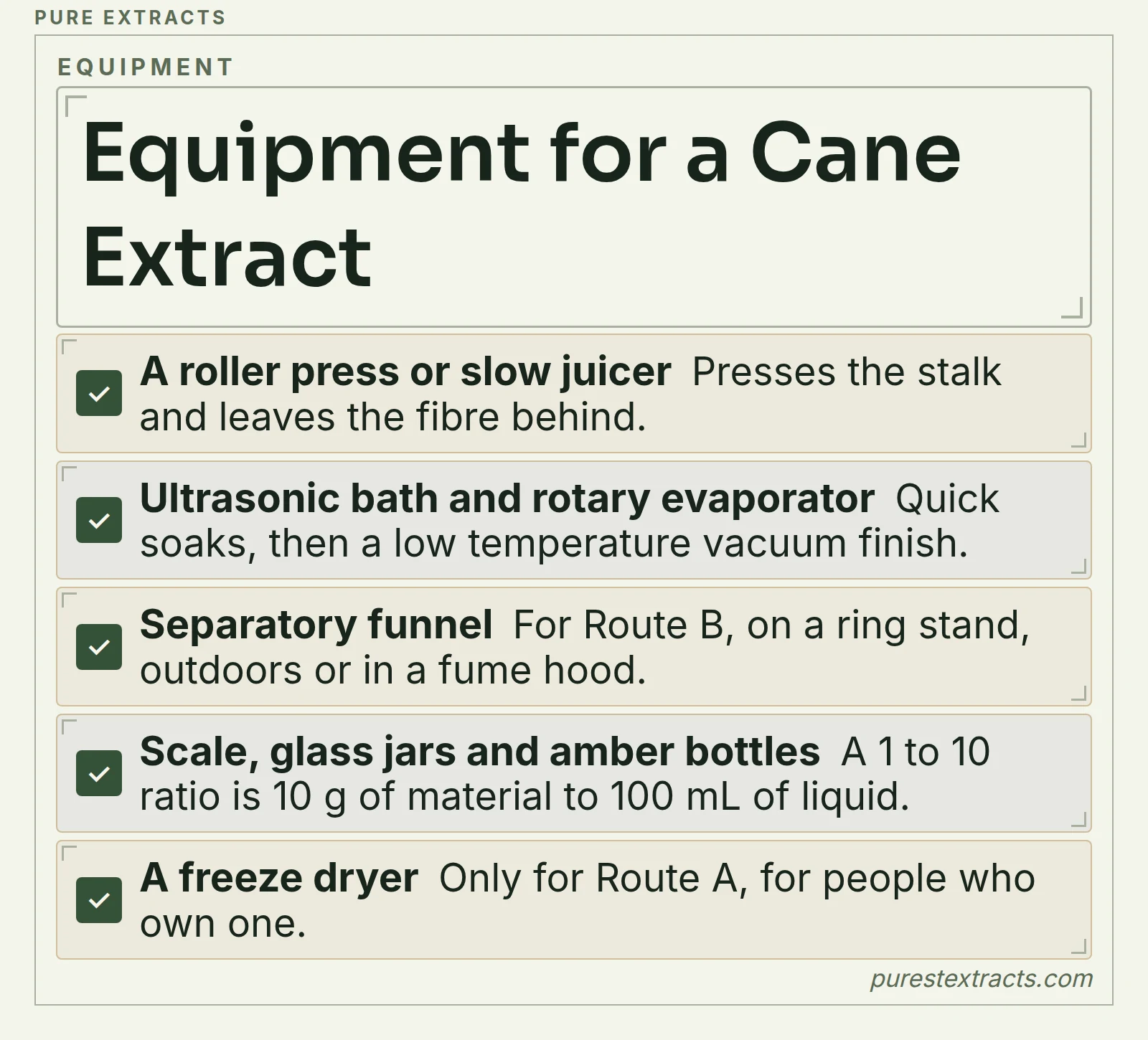
With this equipment, one bench handles all the routes in this guide. A freeze dryer is the only item on the list that we do not own, and Route A is the only route that needs it.
How to Filter and Clarify an Extract: Carbon, Bentonite and Silica
From coarse straining to fine filters, and how activated carbon, bentonite clay and silica clean up an extract.
For a More In-Depth Read, Click HereStorage and Batch Records
Each extract has its own way of keeping, and the sugary ones are the most demanding. A syrup made by low temperature evaporation is a concentrated sugar solution, and the plant enzymes and microbes that spoil juice are slowed by the sugar but not stopped. Keep it in clean glass jars with tight lids in the refrigerator, and use it within a few weeks. If a syrup shows any foam, cloudiness or sour smell, discard the jar.
Ethanol extracts of the leaves, rind and bagasse keep much better, because the ethanol that remains acts as a preservative. Store them in amber bottles away from heat and light, and keep the cap tight so the ethanol does not evaporate. A dried residue from the rotary evaporator should be weighed, then kept in a small sealed jar with a silica gel packet.
The wax extract is the most stable of the four. Store it in a sealed glass jar in a cool place and label it as a crude wax so nobody mistakes it for a purified product.
Whatever the extract, write a record the same day, because a batch you cannot repeat is a batch you cannot improve. Keep one line per batch that includes the date, the cane variety and the part, the weight in, the solvent and its strength, the number and length of the soaks, the bath temperature, the weight of the dried extract, and a note on color and smell. Divide the weight of extract by the weight of starting material to get a percent yield, and keep the record next to the jar. After five or six batches you will know what your own cane and your own equipment give, and that is more useful than any figure in a paper.
Label every container with the part used, the solvent, the date and the batch number, and never reuse a jar for a different extract without washing it.
Safety
Cane is a food with a long record, and a glass of fresh juice is very different from a concentrated extract or a solvent bench. The cautions below cover the food, the plant compounds and the equipment.
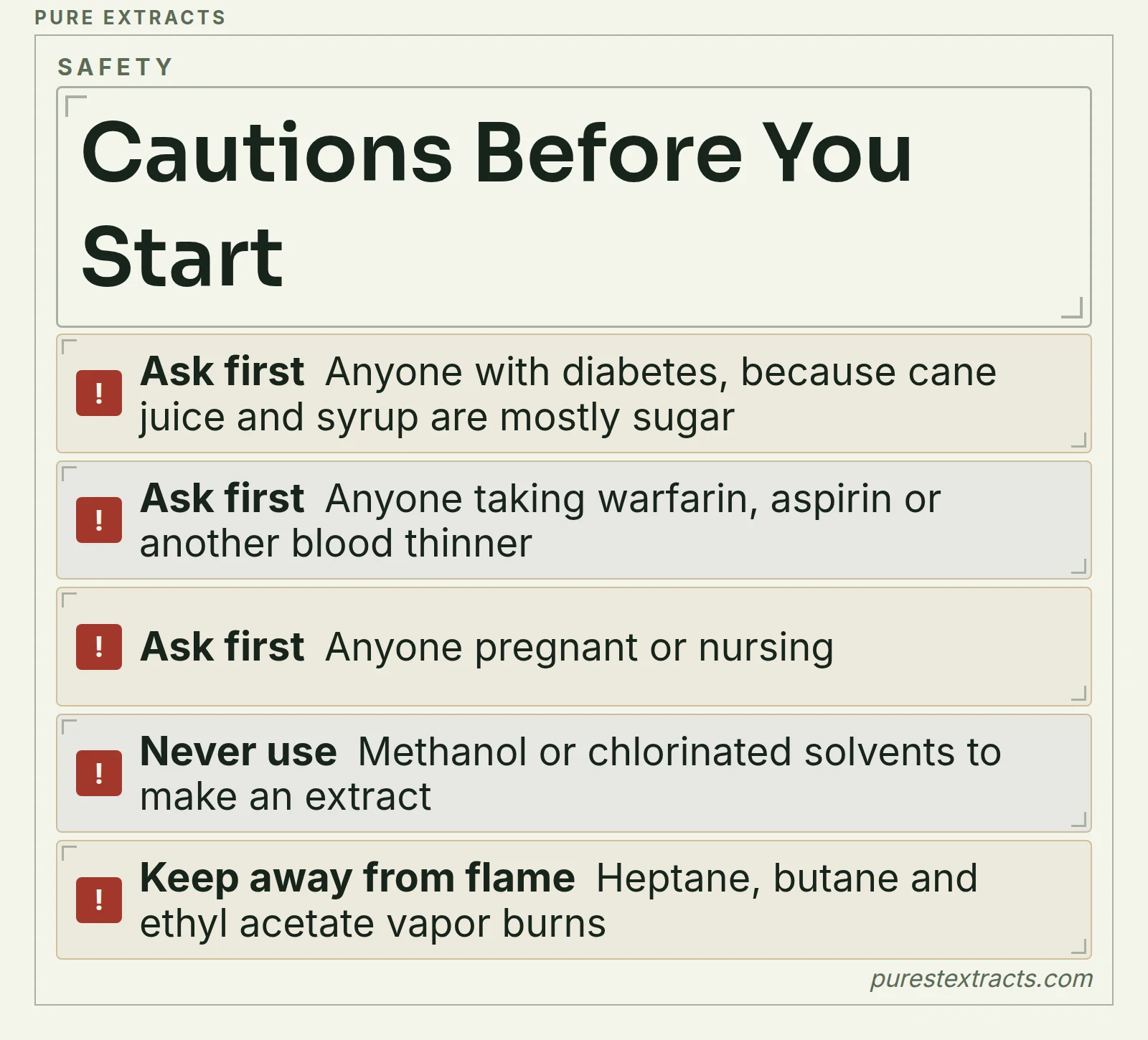
Three facts sit behind these cautions. Sugar cane juice is mostly sugar, so it raises blood sugar like any sweet drink, and a syrup is a concentrated version of the same. Raw juice spoils within hours at room temperature and can cause stomach upset when it is contaminated. And the solvents used for the wax and the juice wash, heptane, butane and ethyl acetate, give off vapor that burns and that travels along a bench to a flame or a spark.
What to do
These steps keep the work safe for you and for the people who use the extract.
- Work with heptane, butane and ethyl acetate outdoors or in a fume hood, with no open flame, pilot light or spark source nearby.
- Wear gloves and sleeves when you cut and strip cane, because the leaf edges are sharp enough to cut skin, and use a stable block and a sharp knife for the stalks.
- Check glassware for cracks before it goes under vacuum, and put the flask in a shield or behind a screen.
- Chill raw juice at once, process it the same day, and keep syrups in the refrigerator.
- Tell your prescriber about any cane extract you plan to take if you use medicine for diabetes or a blood thinner such as warfarin or aspirin.
Policosanol supplements have caused mild effects such as headache, rash, insomnia and an upset stomach in some people, and sources advise caution with blood thinners because of a possible added effect on bleeding. Pregnancy and nursing are separate, because we have no source we trust that settles the question, so we leave concentrated extracts alone in both.
What not to do
These are the things we leave out of the plan.
- Do not use methanol or chlorinated solvents to make an extract that anyone will use.
- Raw juice that sat at room temperature overnight goes in the bin and not into a batch.
- Do not heat a flammable solvent over a flame or a hot plate with an exposed element.
- Burning cane fields or leaf piles to get rid of the trash is out, because the smoke is a hazard for you and your neighbors, and the leaves are better as mulch.
- Do not give an extract to anyone with diabetes as a sweetener without their prescriber knowing.
This guide gives no dose, because no safe dose for a home-made cane extract has been established, and a person who wants one should ask a clinician.
Troubleshooting
Most problems with cane extracts come from three causes: juice that was not cold or fresh, solvent that met water, or heat that was higher than the bath thermometer said. The notes below match what you see to the usual cause.
| What you see | The usual cause | What to do |
|---|---|---|
| Juice turns brown within minutes | The browning enzyme working on the phenolics | Press smaller batches, chill at once, and work the same day |
| Juice foams or smells sour | Yeast or bacteria have started | Discard it and wash all the equipment |
| A thick cloudy layer between the liquids in the funnel | Pulp or sugar in the juice | Filter the juice finer and let the funnel stand longer |
| Wax extract is sticky and dark | Water or sugar in the rind | Dry the rind completely and wash it before the soak |
| Very low yield from leaves | Material too coarse or too wet | Grind finer, dry it, and run three soaks |
| Syrup crystallizes in the jar | Too much sucrose for the water left | Warm gently and stir in a little water |
Most of these come back to dry material, cold juice and low heat, so the fix is usually a change in how the batch is handled and not a new solvent.
Our partner website, Shearer Farms
Sugar Cane (Saccharum officinarum) Guide: Variants, Planting, Ratoon Crops and Harvest
Grow sugar cane (Saccharum officinarum): variants, seed cane, planting, water and feeding, ratoon crops, flowering, harvest.
References
- University of Hawaii CTAHR, Korean natural farming, fermented plant juice (SA-7): equal weight of brown sugar and cut plant material, about seven days.
- Profiling metabolites and biological activities of sugarcane (Saccharum officinarum) juice and its product molasses, Molecules (2019): sucrose about two thirds of identified metabolites, glucose 6.3 percent, fructose 0.72 percent, total phenolics 93 mg GAE per 100 g, total flavonoids 259 mg QE per 100 g, flavone glycosides.
- Obtaining a fraction of sugarcane wax rich in policosanol by using ethanol as solvent, ACS Omega (2022): 13.27 percent higher fatty alcohols, 57.45 percent octacosanol, 90 percent ethanol at 14 to 1, crude wax yields by solvent.
- Systematic review of sugarcane (poly)phenols, Comprehensive Reviews in Food Science and Food Safety (2024): flavonoids and phenolic acids, apigenin, luteolin and tricin derivatives.
- Bioconversion of hemicellulose from sugarcane biomass into sustainable products, InTechOpen: bagasse cellulose 38.8 to 45.5 percent, hemicellulose 22.7 to 27.0 percent, lignin 19.1 to 32.4 percent, ash 1.0 to 2.8 percent.
- The shelf life of standardized sugarcane juice stored under refrigeration, Food Science and Technology (2020): raw juice pH 5.55, shelf life of fresh juice a few hours, pasteurized juice at pH 4.35 held 94 days at 4 degrees C.
- Growables, Sugarcane (Saccharum officinarum): juice nutrition per 100 mL, cutting height, uses of bagasse, wax and ash.
- Patent record, extraction method for sugarcane material with 70 to 85 percent ethanol, tricin, apigenin, luteolin and phenolic acids.
- Policosanol interactions overview: aspirin and warfarin cautions, mild side effects.
Common questions
What is cane composition by part?
A single stalk is several materials stacked together. Pressed juice is mostly water with sugar dissolved in it. In one metabolite profile of Saccharum officinarum juice, sucrose made up about two thirds of everything identified, with glucose at 6.3 percent and fructose at 0.72 percent of the same count. A food composition entry gives 8.55 g of total sugars in 100 mL of juice. Those figures are measured on different bases, so read them as the order of the compounds and not as one set of numbers.
What are simple processes for everyday uses?
Most people want sugar from cane, and the simple way gets it: juice the stalks and boil off the water. No solvent is used anywhere in this section, and none of these processes needs a lab. The complicated extraction methods later in the guide are not always the useful ones. It is also how we use our own cane. We grow Thai purple and heirloom sugar cane, and we make sugar from them for Korean natural farming ferments and for molasses-type additions to our nutrients, which feed the microbes in the soil.
How do I choose the part to use?
Choose the part by the compound you want, because each part holds a different set. This guide covers four, and each one has its own route later on. It holds the sugars and the dissolved flavones and phenolic acids. It is the easiest part to work with, and it is also the part that spoils fastest. The rind is coated with a thin wax layer that holds the policosanols.
How do I choose a route?
Start from the question of what you want out of the stalk. If the goal is the sugars and the dissolved solids, a cold press and a gentle concentration is all you need. To get the flavones and phenolic acids, the juice has to be cleared of sugar or the plant matter has to be soaked in watery ethanol. If the goal is the wax, the rind goes into a nonpolar solvent and the rest of the cane is not involved at all. The routes can also be run in sequence on one batch of stalks.
What are advanced extracts?
Cane also holds useful compounds that most people never get from the sugar route, and these need more careful work. This is the only place in the guide where other solvents are used: the sugar, syrup, jaggery and molasses above need none. The wax coating on the rind holds long-chain alcohols called policosanols. A nonpolar solvent takes them, and the wax section covers the quick soaks. The leaves, rind and bagasse hold phenolic acids and other polyphenols, which watery ethanol or an ethyl acetate wash of the juice recovers.
What are two juice routes?
Both routes begin with the same strained juice, and both are honest about what the chemistry of cane allows. Sugar is about two thirds of what the juice holds, so whatever you do to the juice, the sugars come along unless you separate them out. Route A: Juice, Freeze Dry, Then Extract the Powder. This route dries the whole juice into a powder and then extracts the powder with a solvent. It needs a freeze dryer, and we do not use one, so we present it as an option for people who own one.
What is happening chemically in sugar cane extraction?
The whole guide comes down to one decision, and it starts with what the cane holds the most of. Sucrose is about two thirds of the juice's identified compounds, and glucose and fructose follow it, so the first route in this guide is the one that works in water. The flavones and phenolic acids sit in the middle, and the policosanols are the only nonpolar compounds.
How is the result of sugar cane extraction stored?
Each extract has its own way of keeping, and the sugary ones are the most demanding. A syrup made by low temperature evaporation is a concentrated sugar solution, and the plant enzymes and microbes that spoil juice are slowed by the sugar but not stopped. Keep it in clean glass jars with tight lids in the refrigerator, and use it within a few weeks. If a syrup shows any foam, cloudiness or sour smell, discard the jar. Ethanol extracts of the leaves, rind and bagasse keep much better, because the ethanol that remains acts as a preservative.
Is sugar cane extraction safe?
Cane is a food with a long record, and a glass of fresh juice is very different from a concentrated extract or a solvent bench. The cautions below cover the food, the plant compounds and the equipment; three facts sit behind these cautions. Sugar cane juice is mostly sugar, so it raises blood sugar like any sweet drink, and a syrup is a concentrated version of the same. Raw juice spoils within hours at room temperature and can cause stomach upset when it is contaminated.
What usually goes wrong with sugar cane extraction?
Most problems with cane extracts come from three causes: juice that was not cold or fresh, solvent that met water, or heat that was higher than the bath thermometer said. The notes below match what you see to the usual cause. Juice turns brown within minutes (The browning enzyme working on the phenolics): Press smaller batches, chill at once, and work the same day. Juice foams or smells sour (Yeast or bacteria have started): Discard it and wash all the equipment. A thick cloudy layer between the liquids in the funnel (Pulp or sugar in the juice): Filter the juice finer and let the funnel stand longer.
Browse by topic
More guides to explore
 ExtractionCold Press Extraction
 ExtractionEnzymatic Extraction
 ExtractionEthanol Extraction
 ExtractionMicrowave-Assisted Extraction
 ExtractionNatural Dye Extraction and Use
 ExtractionPressurized Hot Water Extraction
 ExtractionSteam Distillation