Guides
White Willow (Salix alba) Extraction Guide: Best Methods, Preparing the Bark, Decoction and Tincture
How to make a white willow bark decoction and tincture, with amounts, timing, equipment, the dose range used in trials, what the evidence shows, and the cautions.
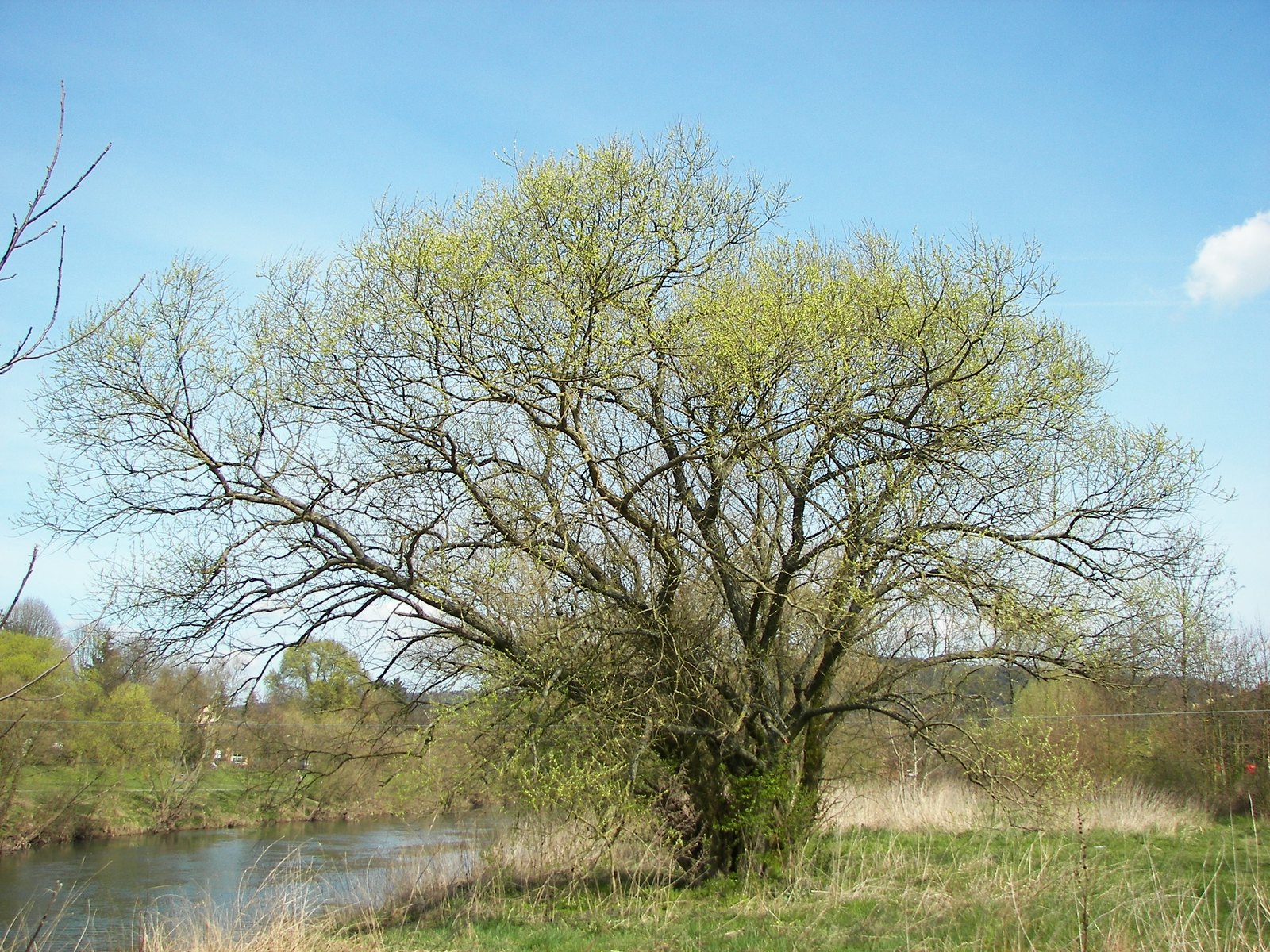
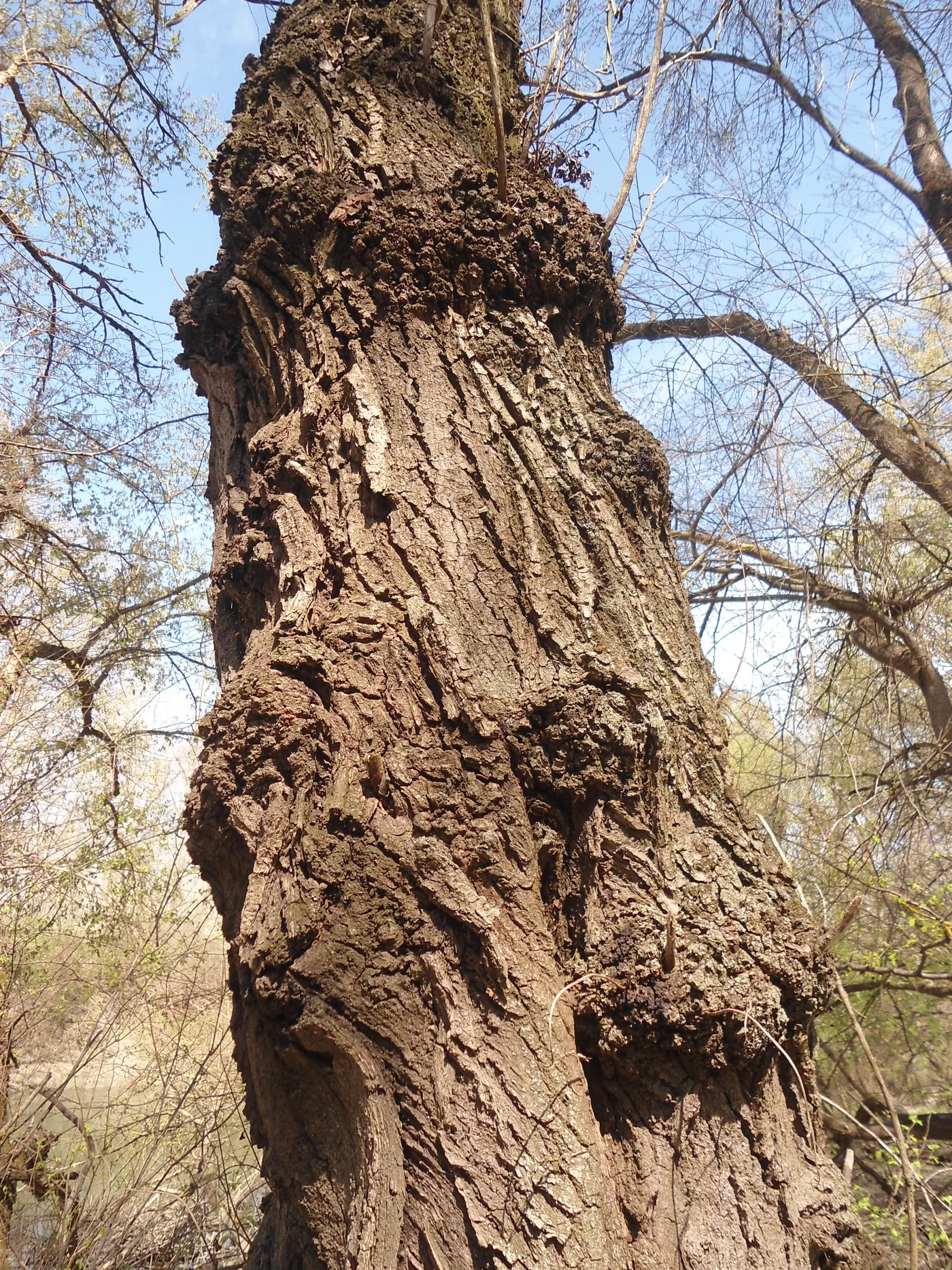
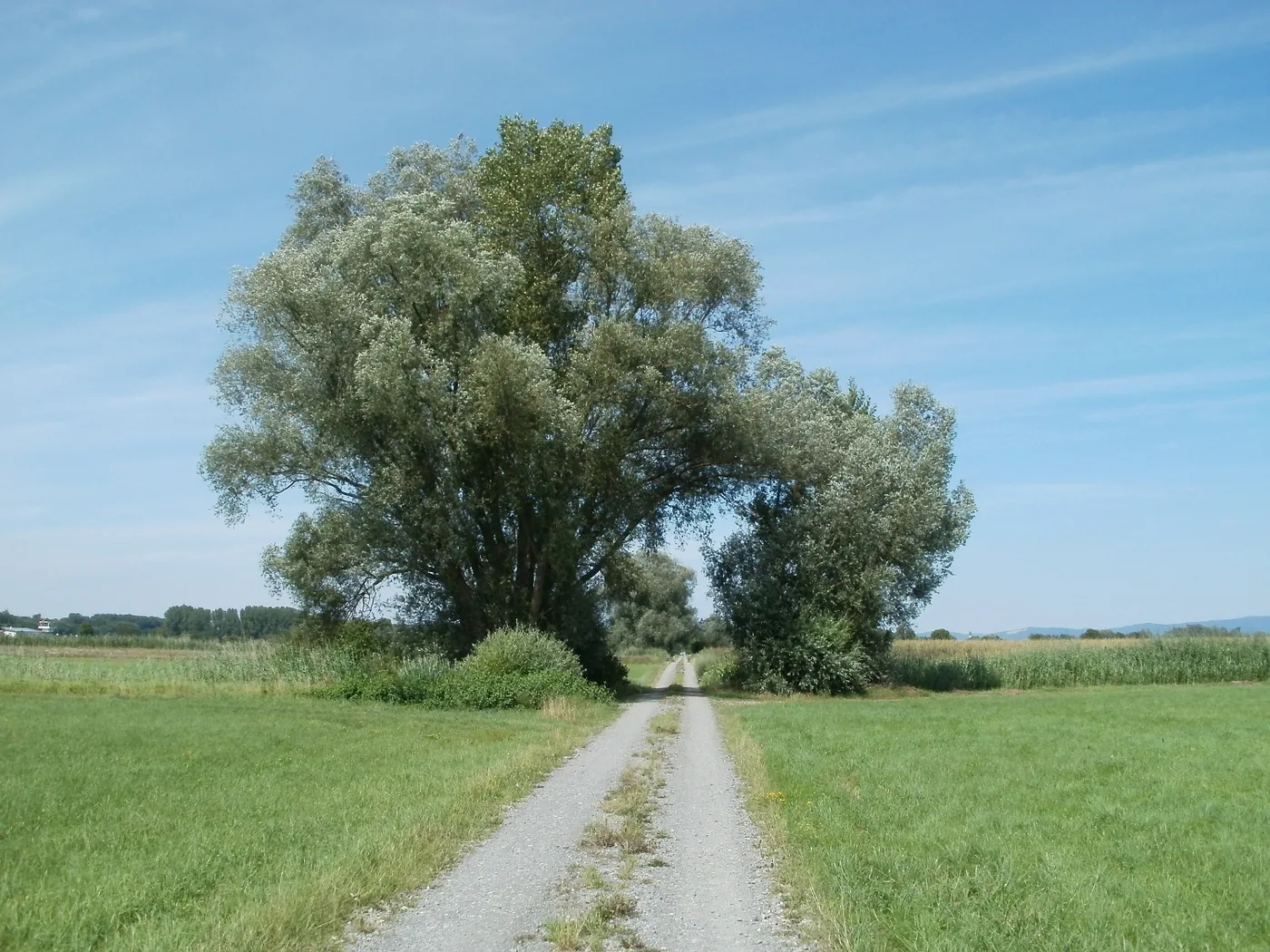
Photograph: Willow, CC BY-SA 2.5. Source: Wikimedia Commons

On this page
Introduction
Willow bark has been turned into medicine for thousands of years, and the way it is done has hardly changed. You take dried inner bark, give it hot water or alcohol, and strain off the liquid. What you get is a dark, bitter extract that carries salicin, the compound behind the whole story of aspirin.
This guide shows how to make a decoction (a simmered bark tea) and a tincture (a bark extract held in alcohol) from white willow, Salix alba. It explains what is in the bark, why heat and alcohol both work, how to choose and prepare the bark, the amounts and timing for each method, the dose ranges that have been used, what the evidence does and does not show, and the cautions that come with it.
Summary
- Start with: dried inner bark from branches 3 to 6 years old, harvested in spring or early autumn.
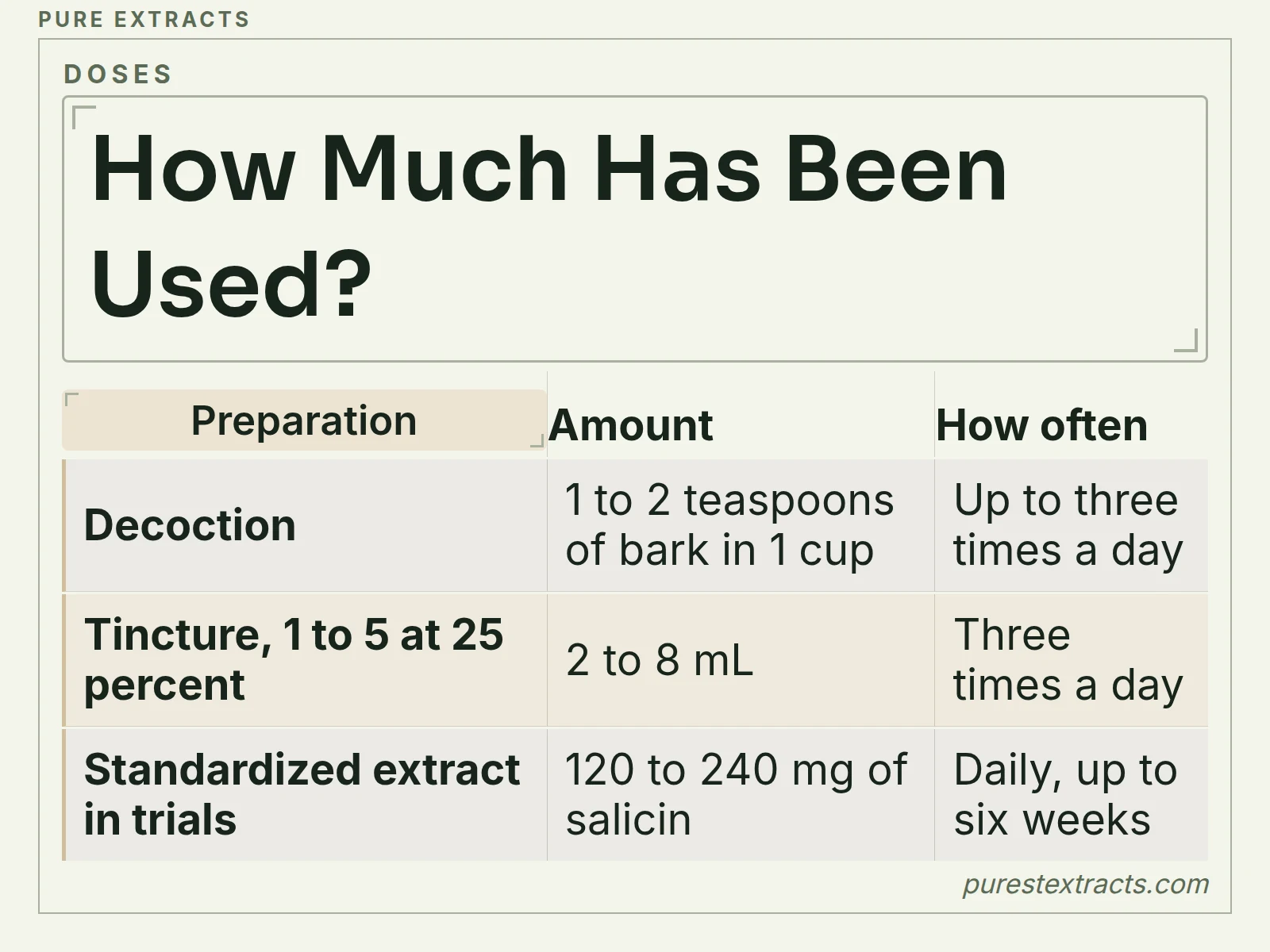
- Decoction: 1 to 2 teaspoons of dried bark in 1 cup of water, brought to a boil and simmered up to 25 minutes.
- Tincture: 1 part bark to 5 parts liquid at 25 percent alcohol, with a typical dose of 2 to 8 mL three times a day.
- The key compound: salicin, up to 10 percent of the bark and about 15 percent of a standardized extract, tested at 120 to 240 mg a day.
- The cautions: the same as aspirin, and no evidence that willow helps with weight loss.
Why make your own rather than buy a capsule? A homemade extract costs almost nothing and you control the bark, but it is not standardized, and that difference matters for how you read the doses later in this guide.
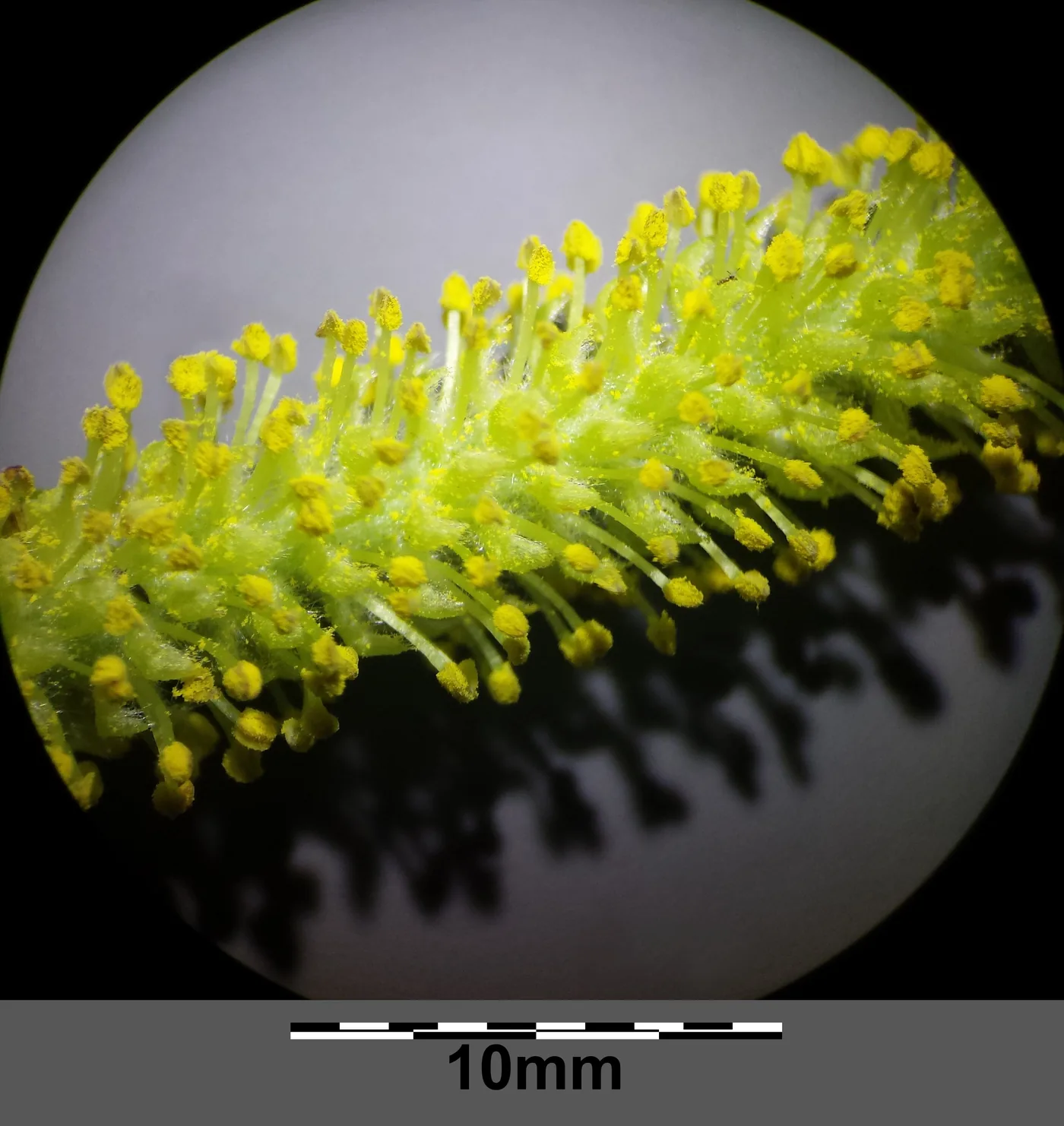

The grower's side of this plant, from rooting a cutting to harvesting bark, is on our partner website, and a link to it sits near the end of this guide.
A Short History of Willow Bark
White willow is described as the oldest recorded pain remedy in human history. It appears in ancient Egyptian and Greek medicine, and Hippocrates, Dioscorides and Galen recommended it for fever and pain. Chinese physicians are recorded using it from about 500 BC, and in Europe it was also used to remove warts and to settle the stomach.
In North America, Cherokee healers made a bark infusion for fever and to check the bowels, took an inner-bark decoction for hoarseness, used the bark as a tonic, and laid it on skin as a poultice. Those uses are traditional records, not trial results, and they are cited here as such.


The science arrived late. In 1763 an English clergyman named Edward Stone reported that dried willow bark powder helped people with fevers. In 1828 two chemists crystallised salicin from the bark, and the acid made from it led to aspirin. What took thousands of years to explain was a single compound.
What Is in the Bark
The compound people look for is salicin, a sugar-bound molecule that the body converts into salicylic acid. Salicylic acid is a relative of the aspirin molecule, and that is why white willow bark is called the original source of the chemistry behind aspirin. Salicin was first isolated from willow bark in 1828 and named after the genus, Salix.
Salicin is not alone. Dried bark is a mixture, and these are the upper limits reported for each group.
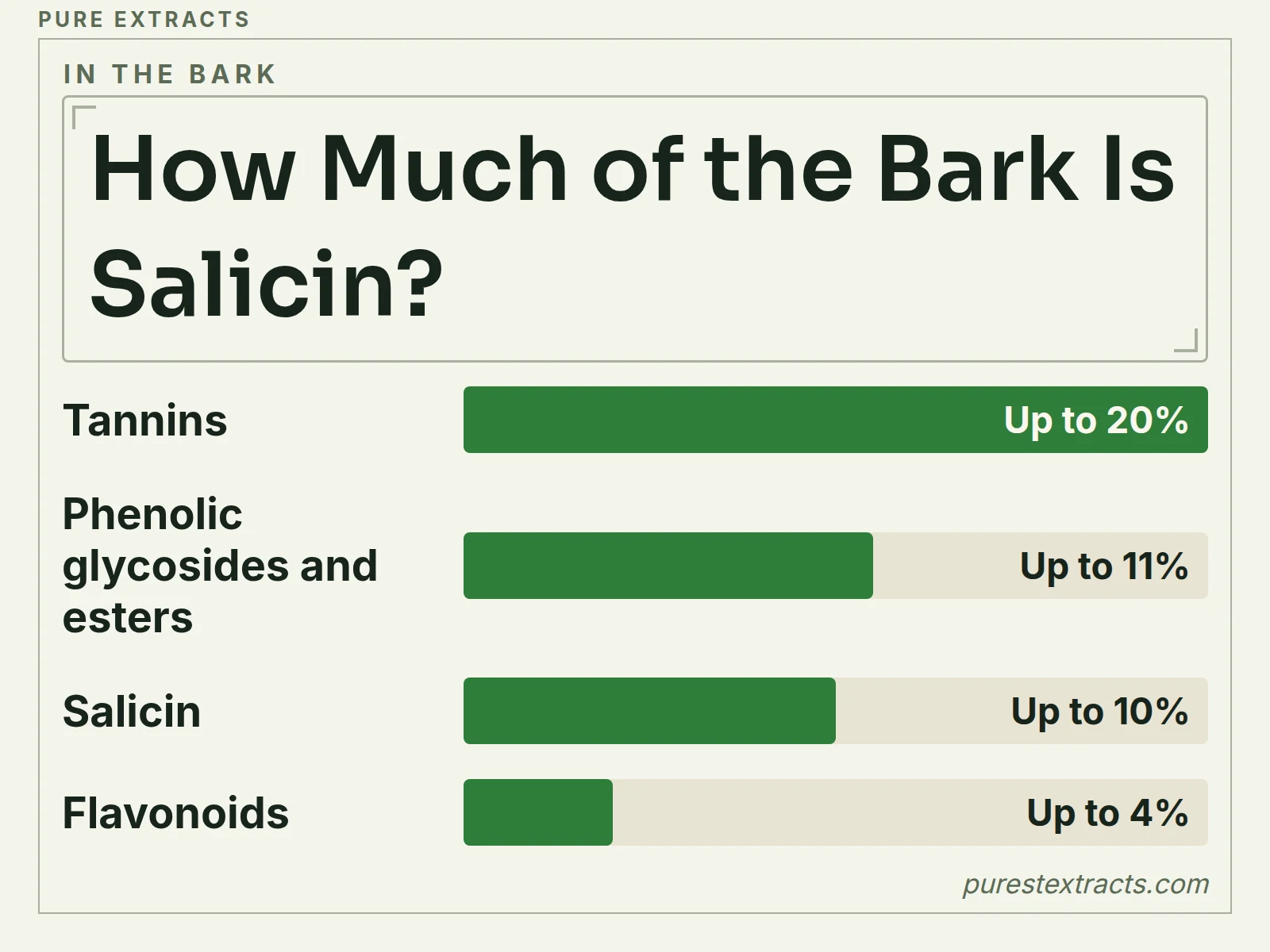
Tannins are the largest group, and they set the taste. They are astringent, so a decoction puckers the mouth and has a hard, bitter edge that sweeteners only soften. Flavonoids and other phenolic compounds, which also turn up in the leaves, add to the mixture.

Which solvent pulls these out? Salicin dissolves in water and in alcohol, and so do tannins, so either one can pull them from the bark. That is why a simmered tea and a tincture are both traditional, and why neither needs anything more than a pot or a jar.
How to Choose an Extraction Method for Any Herb
Match the method to the plant: what polarity and heat sensitivity mean, and which solvent pulls out which compounds.
For a More In-Depth Read, Click HereChoosing a Method
Two methods have the longest record with willow, and they differ in time, amount and shelf life.
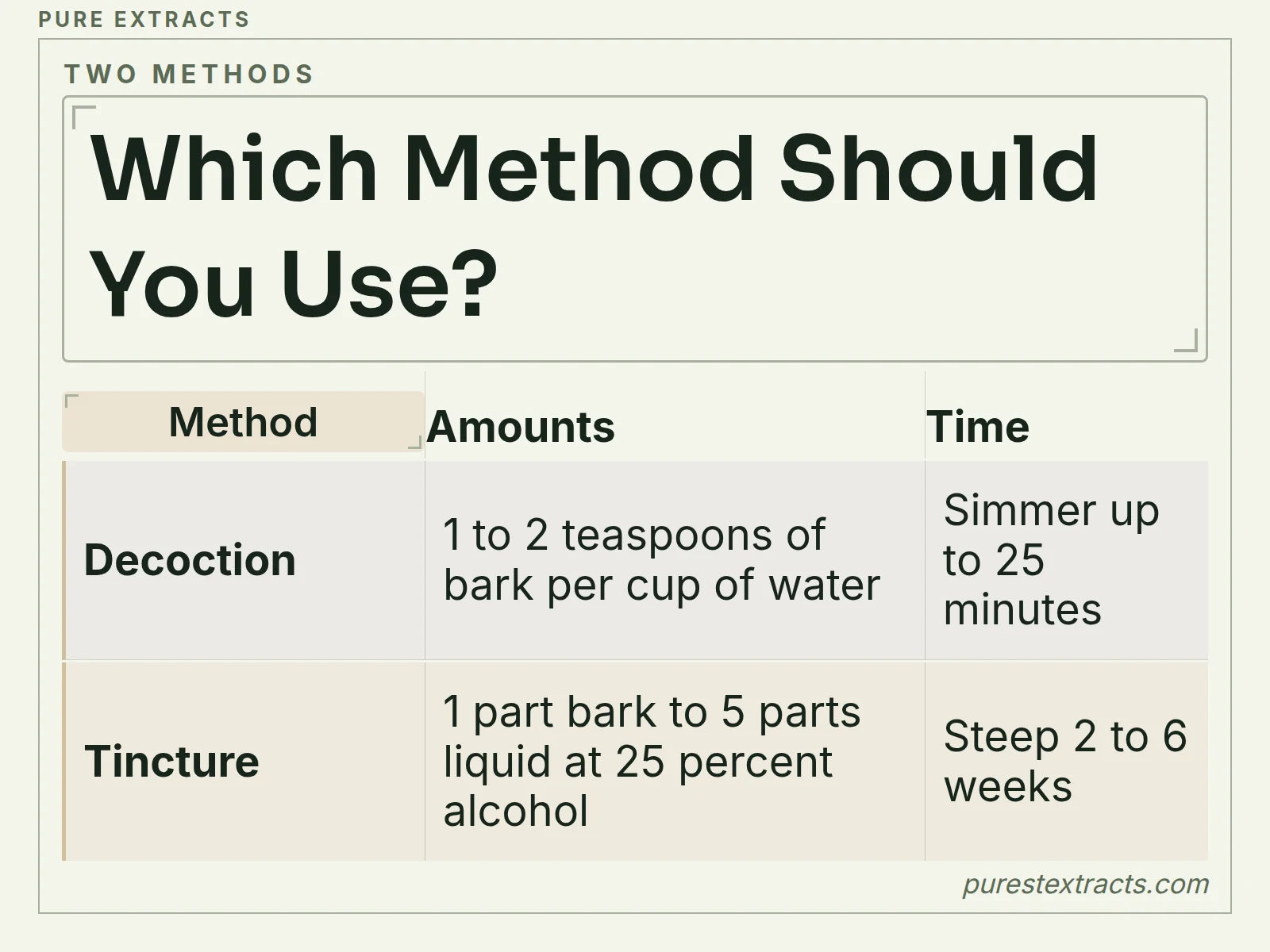
Which one should you make? A decoction is the fastest and the cheapest, but it keeps for only a day or two in the refrigerator. A tincture keeps far longer and is easier to measure by the milliliter, which is why most people who use willow regularly make one.
The leaves offer a third option. Young willow leaves can be steeped as an infusion, but they are less potent, and the long record of use and the dose figures in this guide all belong to the bark.
Best Method For Each Compound
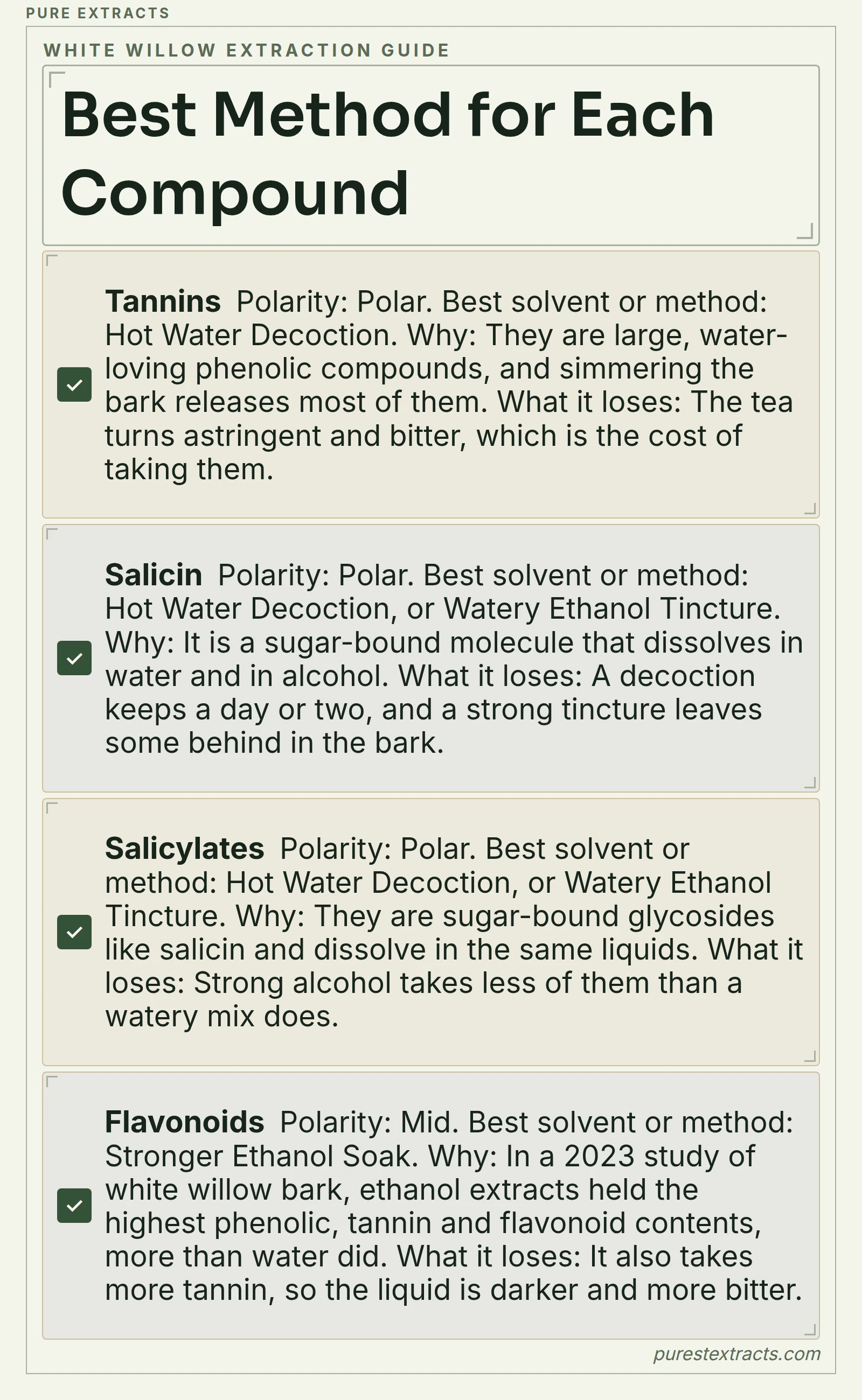
Willow bark is a water-friendly plant. Salicin, the compound the bark is known for, and the related salicylates are sugar-bound and dissolve in water and in watery alcohol. Tannins, the largest group in the bark and the cause of its bitterness, are polar as well, and the flavonoids sit in the middle. So the routes that lead here are the hot water decoction and the watery ethanol tincture, and a nonpolar solvent would leave almost everything behind in the bark. How much there is to take varies: in five one-year willow clones grown in Northern Ireland, salicin in the bark ranged from 0.33 to 1.02 percent of dry matter, and the European Pharmacopoeia asks for at least 1.5 percent total salicylates in willow bark.
| Compound | Polarity | Best solvent or method | Why | What it loses |
|---|---|---|---|---|
| Tannins | Polar | Hot Water Decoction | They are large, water-loving phenolic compounds, and simmering the bark releases most of them | The tea turns astringent and bitter, which is the cost of taking them |
| Salicin | Polar | Hot Water Decoction, or Watery Ethanol Tincture | It is a sugar-bound molecule that dissolves in water and in alcohol | A decoction keeps a day or two, and a strong tincture leaves some behind in the bark |
| Salicylates | Polar | Hot Water Decoction, or Watery Ethanol Tincture | They are sugar-bound glycosides like salicin and dissolve in the same liquids | Strong alcohol takes less of them than a watery mix does |
| Flavonoids | Mid | Stronger Ethanol Soak | In a 2023 study of white willow bark, ethanol extracts held the highest phenolic, tannin and flavonoid contents, more than water did | It also takes more tannin, so the liquid is darker and more bitter |
A tincture at 25 percent alcohol, as in this guide, covers the first three rows in one jar and keeps for years, which is why it is the route to start with. The decoction is the quick version of the same job. The stronger ethanol soak is for someone who wants the flavonoids on purpose, since the long record of use and the dose figures in this guide all belong to the water and watery alcohol preparations.
Preparing the Bark
Good bark makes a good extract. Use the pale inner bark, not the rough outer layer, and cut or grind it small so the liquid reaches as much surface as possible.
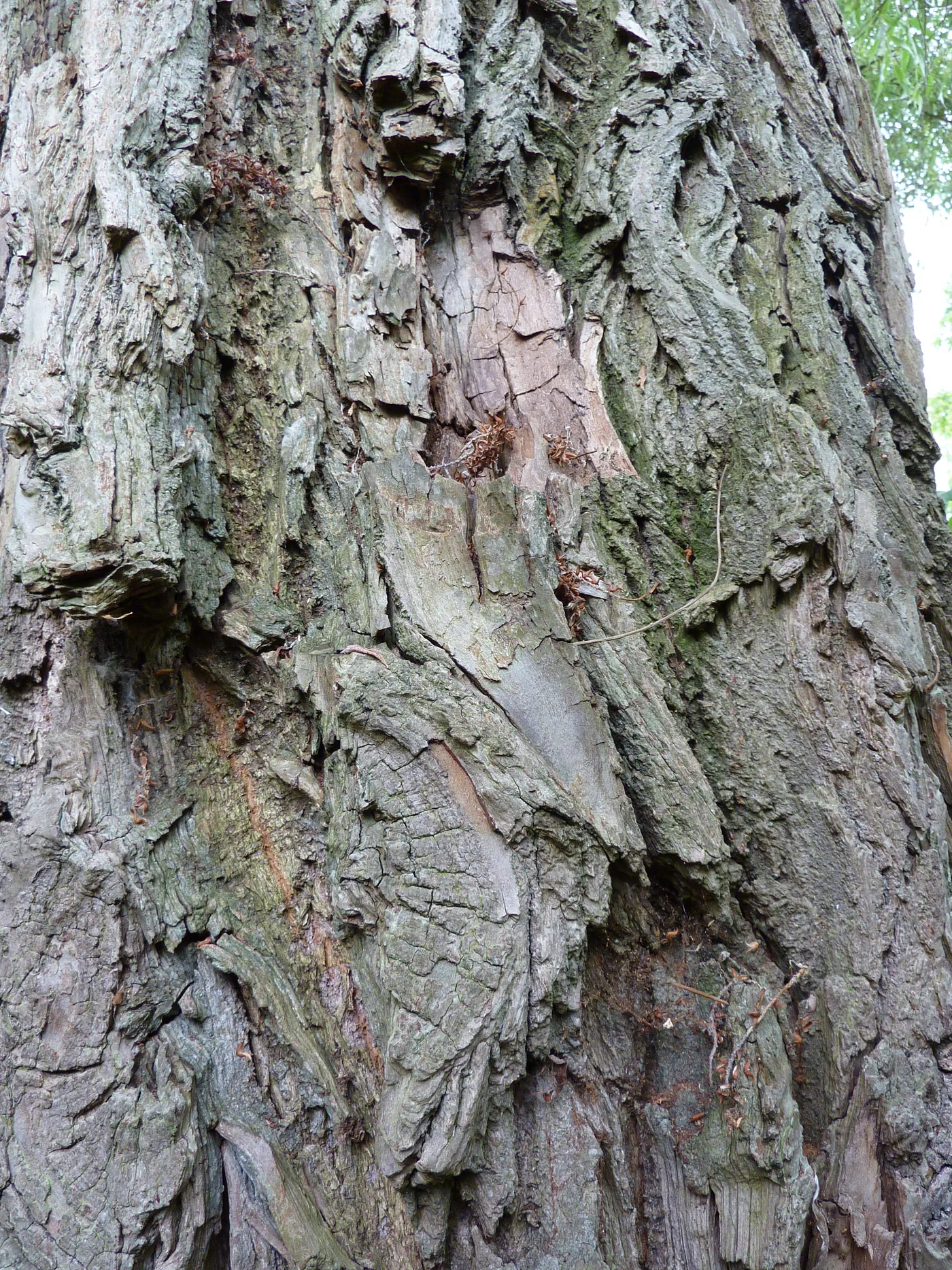

- Start with bark that snaps when you bend it. Soft or damp bark can mold.
- Cut it into pieces about the size of a grain of rice, or break it with a mortar.
- Weigh what you use. A 1 to 5 tincture is 100 grams of bark for 500 mL of liquid.
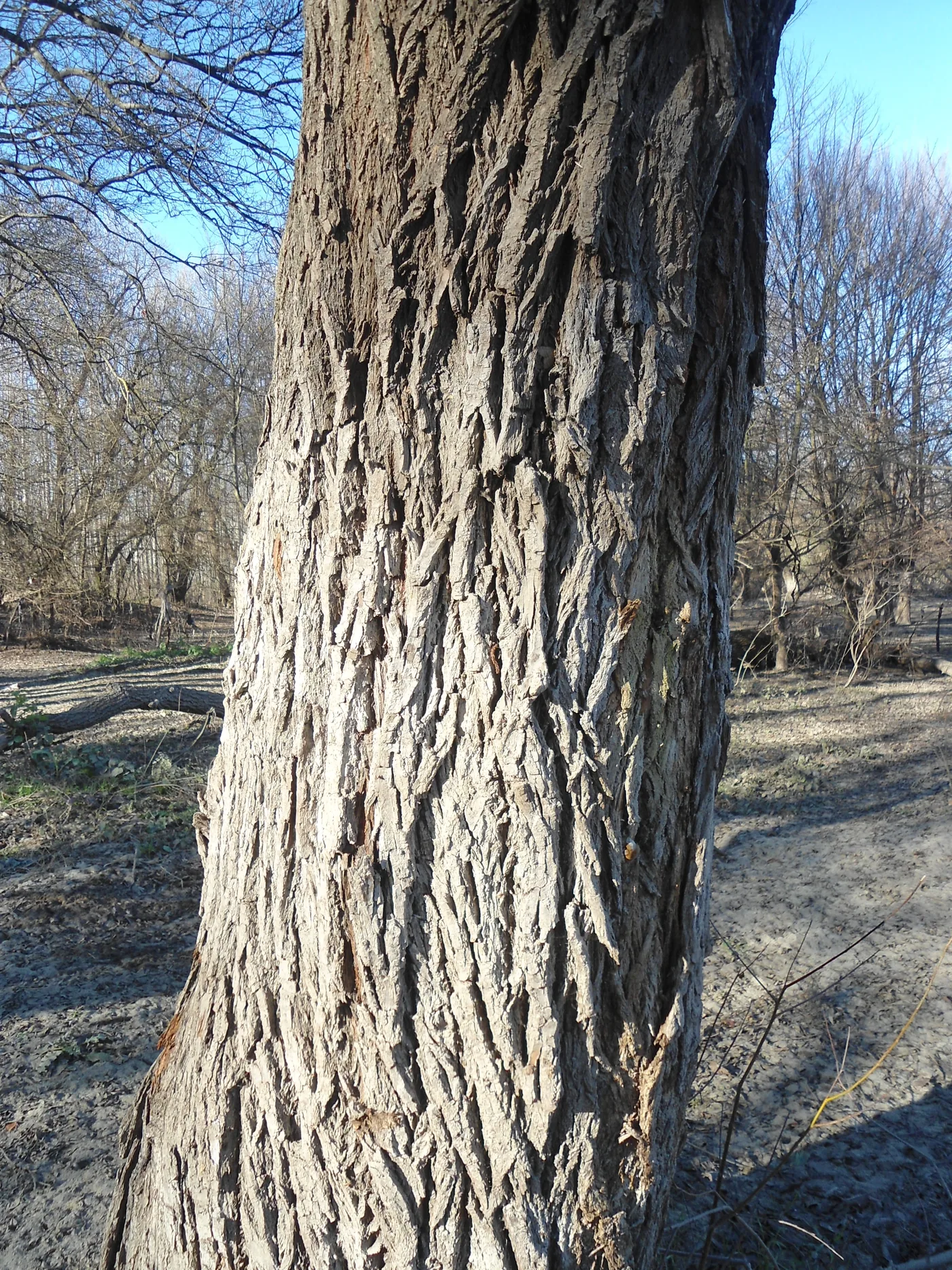
If you have no tree of your own, buy dried bark from a supplier that names the plant. The botanical name Salix alba should be on the label, and the bark is sold as Salicis cortex. If you do have a tree, bark is cut in spring or early autumn from branches 3 to 6 years old and dried until it snaps.
Storing the bark
Keep dried bark in a closed glass jar, away from light and damp. Label it with the plant, the date and where it came from, and check it for mold each time you open it. Dry, snapping bark keeps well, while bark that feels soft or smells musty should be thrown out.
Other Preparations From the Tree
Bark is the main medicine, but the tree has other traditional preparations. Each one is gentler than the bark and has a thinner record behind it.
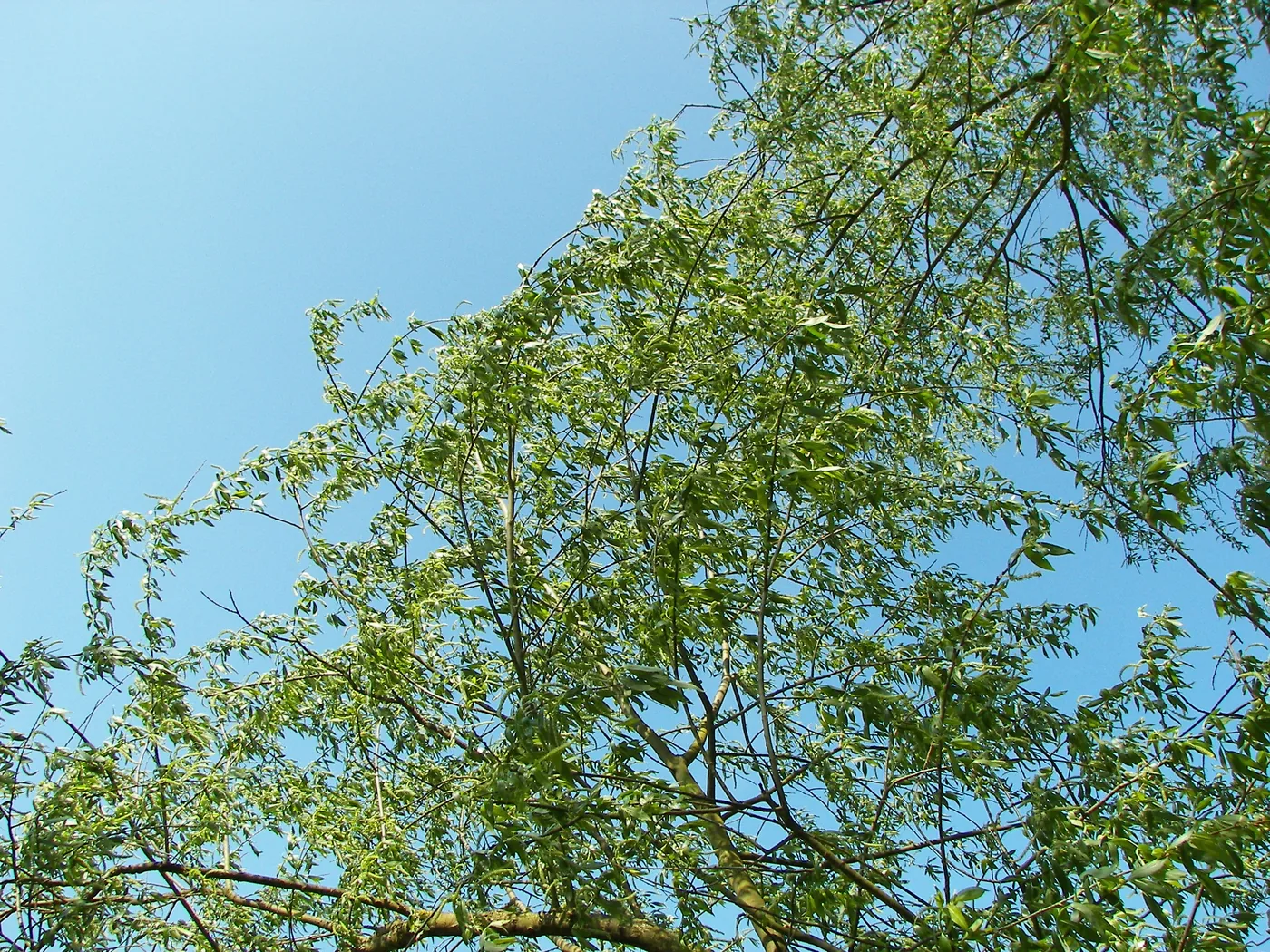

Young leaves can be steeped as an infusion, which is described as less potent than the bark. The leaf tea has been used as a calming drink for nervous sleeplessness, and a leaf infusion added to bath water is a traditional rheumatism remedy. The leaves have also served as a tea substitute.
A poultice is the oldest skin use. Cherokee healers laid willow bark on the skin as a dressing. If you try this, test a small patch first, because anyone sensitive to salicylates can react through the skin.
None of these has trial evidence behind it. They are listed because people have used them for a long time, and the dose figures in this guide still belong to the bark.
Making a Decoction
A decoction is the right way to extract hard, woody bark, because gentle steeping alone does not break it open. Heat does the work.

- Put 1 to 2 teaspoons of dried bark in a small pot with 1 cup of water.
- Bring it to a boil, then turn the heat down to a gentle simmer.
- Simmer for 20 to 25 minutes with the lid on.
- Strain through a fine mesh, let it cool slightly, and drink it.
The traditional serving is a cup three times a day. The liquid will be dark and bitter, so make a fresh cup each time you use it, or keep what is left in the refrigerator for a day.
How to Make a Glycerite: Glycerin Herbal Extracts
The alcohol-free extract: which herbs suit vegetable glycerin, how much water to add, how to make it and how long it keeps.
For a More In-Depth Read, Click HereMaking a Tincture
A tincture uses alcohol as the solvent. For white willow the traditional strength is a 1 to 5 ratio at 25 percent alcohol, which is one part bark to five parts liquid.
- Weigh the bark and place it in a clean glass jar with a tight lid.
- Add the liquid. For 100 grams of bark, use 500 mL of a mix that is 25 percent alcohol overall.
- Keep the jar out of direct light and shake it for a minute each day.
- Strain after two to six weeks through a fine cloth, press the bark to get the last of the liquid, and bottle it.
How do you reach 25 percent? Mix 5 parts of 95 percent food-grade alcohol with 14 parts of water, or mix 5 parts of an 80 proof (40 percent) spirit with 3 parts of water. For 500 mL of liquid, that is about 130 mL of the 95 percent alcohol and 370 mL of water, or about 310 mL of the spirit and 190 mL of water. Check the strength on the bottle before you dilute.
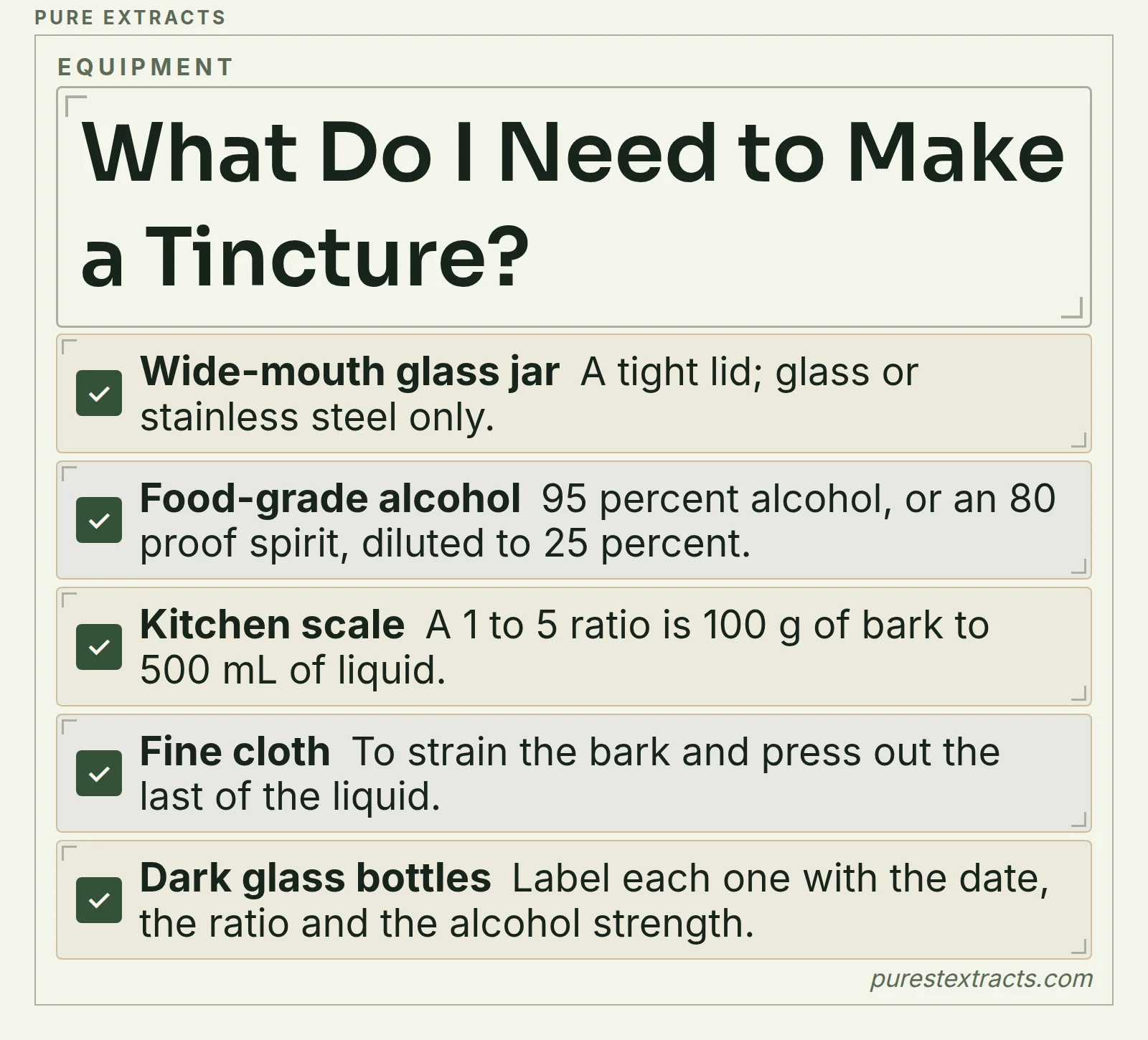
Label each bottle with the plant, the date and the strength. Dark glass keeps light from degrading the extract, and a tincture kept cool and closed lasts for years.
How Much Has Been Used
Doses come from two places, traditional use and clinical trials, and they are not the same thing.
Standardized versus homemade
A standardized extract is tested and adjusted to a known salicin content, and the trials used products of about 15 percent salicin. A homemade extract is as strong as the bark you happened to use, so two batches can differ a great deal.
For a homemade extract, the traditional amounts are the guide. Clinical trials used standardized extracts, and the amount tested equals 120 to 240 milligrams of salicin per day for up to six weeks. A homemade extract is not standardized, so its salicin content varies with the bark, and you cannot match a trial dose exactly.
That variation is also the reason willow bark should not be used as a substitute for aspirin. Its potency varies, and a measured dose of the real drug is the safer tool when you need one.
What the Evidence Says
People have used willow bark for pain, fever and inflammation for a very long time, and the modern record is more modest than the reputation. Here is how the main uses compare.
| Use | What the evidence says |
|---|---|
| Low back pain | Clinical trials suggest a willow bark extract helps |
| Osteoarthritis pain | Results are mixed |
| Rheumatoid arthritis | Results are negative |
| Fever | Thought to act like aspirin; trials have not been done |
| Weight loss | No studies show that it helps |
Laboratory work shows salicin affecting inflammation signals and cell growth, but human data are limited, and a result in a dish is not a result in a person. A six-month study of one standardized willow bark extract reported no safety concerns when it was combined with anti-inflammatory drugs and opioids, though that was a single product under supervision.
Weight loss deserves its own warning. Willow is often marketed that way, no evidence supports it, and a woman with an aspirin allergy once had anaphylaxis after taking a weight-loss supplement that contained willow bark.
Safety
Salicin behaves like aspirin in the body, so the bark carries aspirin's cautions. Check these points before you take any extract.
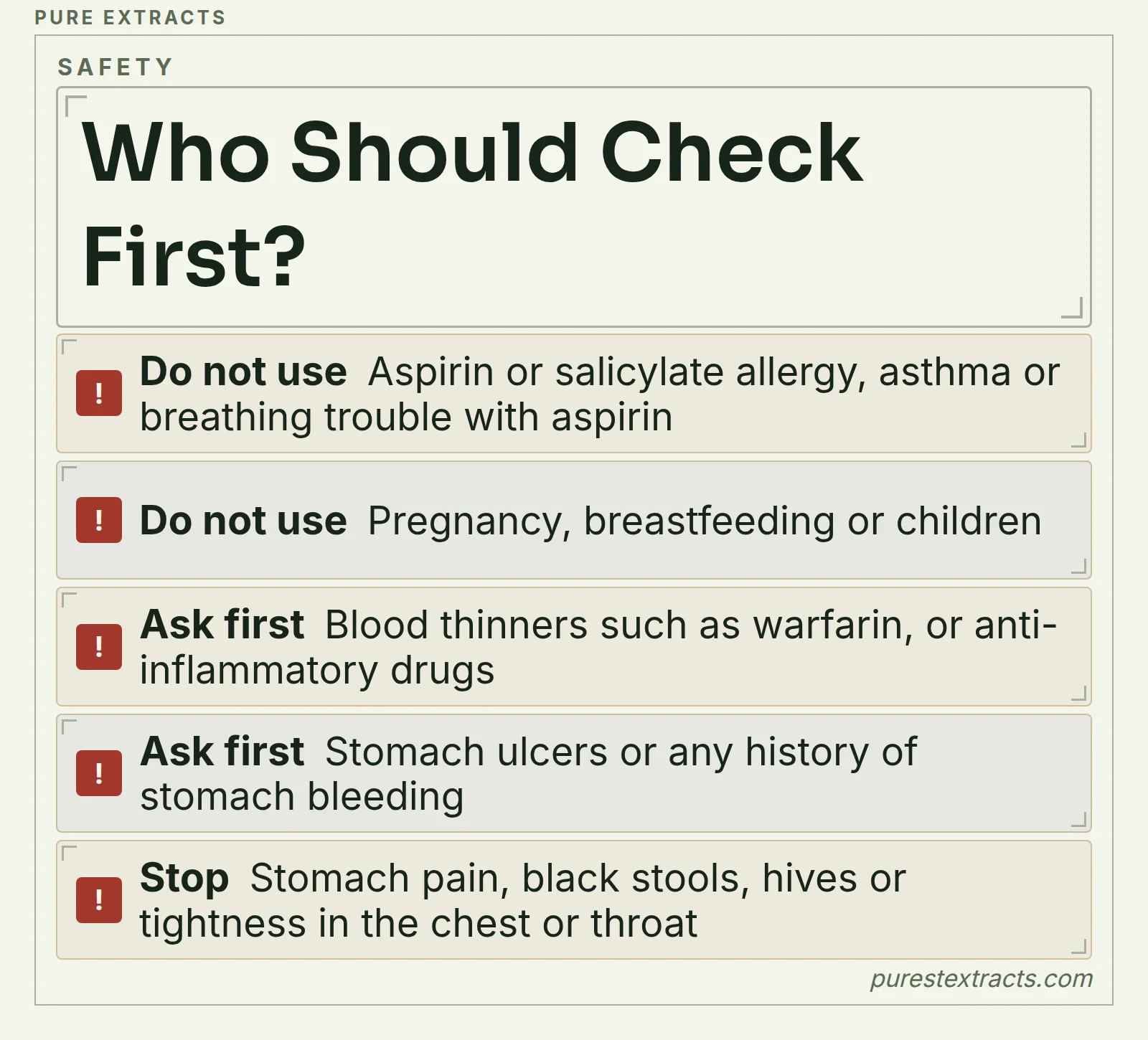
A tincture also contains alcohol, which is another reason to avoid it in pregnancy, in children and for anyone who does not drink.
The reported side effects are mostly stomach upset, rash and itching. Rarer reactions are serious, and they include a case of acute breathing failure in an older woman and a fatal liver failure in a toddler who was given willow bark tea together with a fever medicine. Fevers above 39 degrees Celsius, or fevers lasting several days, need hospital care, and headaches that keep coming back for more than two weeks need a doctor, not an herb.
How to Filter and Clarify an Extract: Carbon, Bentonite and Silica
From coarse straining to fine filters, and how activated carbon, bentonite clay and silica clean up an extract.
For a More In-Depth Read, Click HereTroubleshooting
Most problems with a homemade extract have a simple cause, and these are the usual ones.
| What you see | The usual cause | What to do |
|---|---|---|
| The extract is very bitter | Tannins, which make up the largest share of the bark | Expect it; do not add more bark to chase a milder taste |
| A decoction tastes weak | Bark cut too coarse, or simmered too briefly | Cut it smaller and simmer the full 25 minutes |
| Mold or a sour smell | A decoction kept too long | Throw it out and make a fresh cup |
| A tincture is cloudy | Fine bark dust passed through the cloth | Filter it a second time through a paper filter |
| Bark floats above the liquid | Not enough liquid, or the bark is too dry and light | Push it under and top up to the 1 to 5 ratio |
If a problem is not on the list, the safest response is the plain one: discard the batch and start again with fresh bark.
Common Questions
These are the questions people ask most often about making willow extracts.

Each answer is short, and the sections above give the detail behind it.
Is a decoction or a tincture stronger?
Neither is standardized, so neither has a fixed strength. A tincture is easier to dose by volume, and a decoction is made fresh each time.
Can you use the leaves instead of the bark?
The leaves carry phenolic compounds too, but they are less potent, and the long record of use and the dose figures in this guide are for bark.
How long does it keep?
A decoction lasts a day or two in the refrigerator. A tincture kept in a closed dark bottle keeps much longer.
Can you make a tincture with vodka?
Yes, if you dilute it to the right strength. An 80 proof spirit is 40 percent alcohol, so mix 5 parts of it with 3 parts of water to reach 25 percent.
Why is it so bitter?
The bark is up to 20 percent tannins, which are astringent and bitter. The taste is part of the extract and cannot be removed without removing the tannins.
Is it the same as aspirin?
No. Salicin is converted in the body to a relative of the aspirin molecule, but potency varies with the bark, so willow bark is not a substitute for aspirin.
Can children take it?
No. Because aspirin is linked to Reye's syndrome in the young, willow bark should not be given to children unless a qualified herbalist or doctor advises it.
Growing the Tree Yourself
If you want to grow your own source of bark, rooting a cutting is easier than it sounds, and our partner website has the full growing guide.
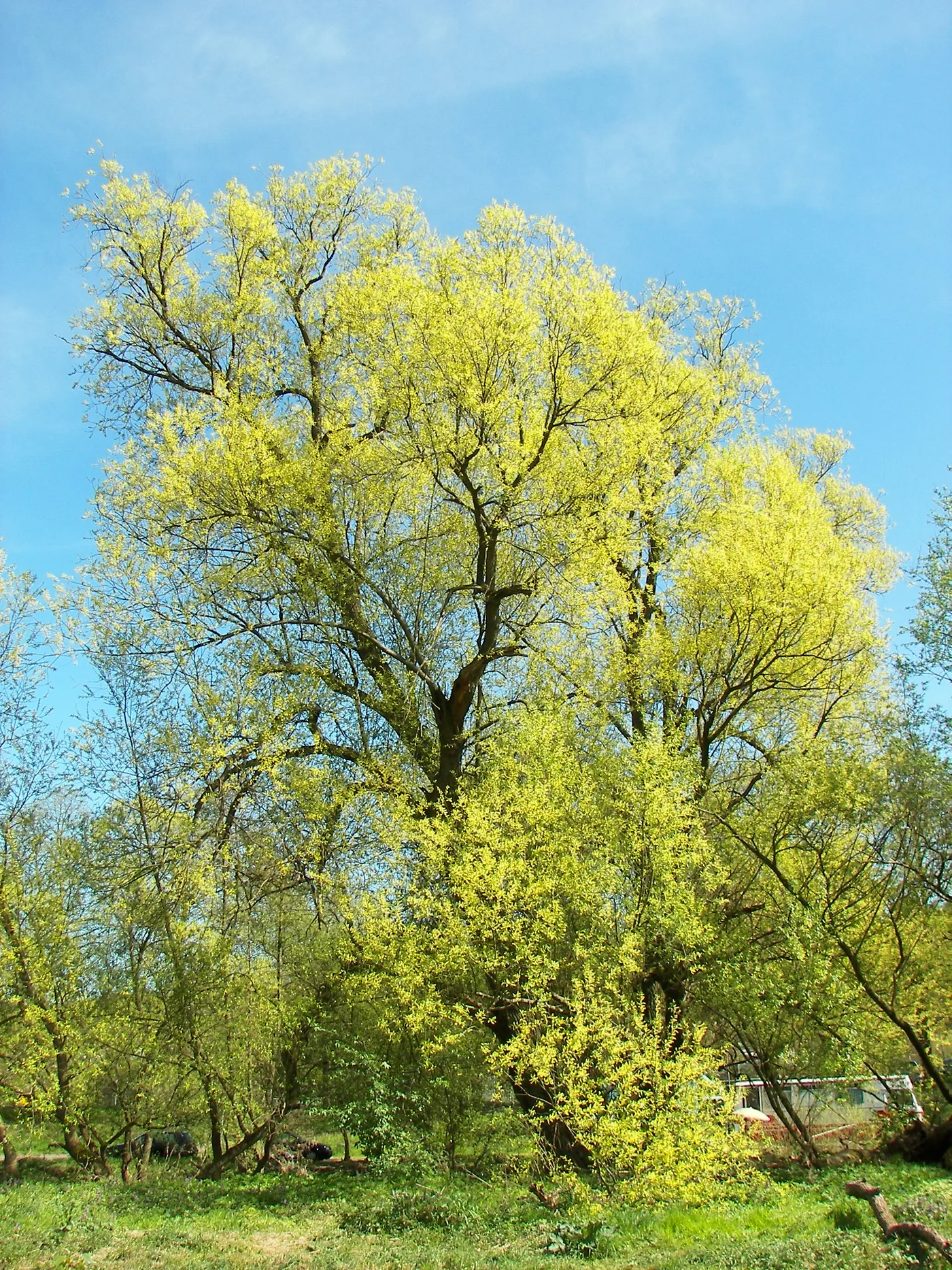

A single tree, cut back every few years, gives you more bark than one person is likely to use, and the cuttings you trim become the next trees.
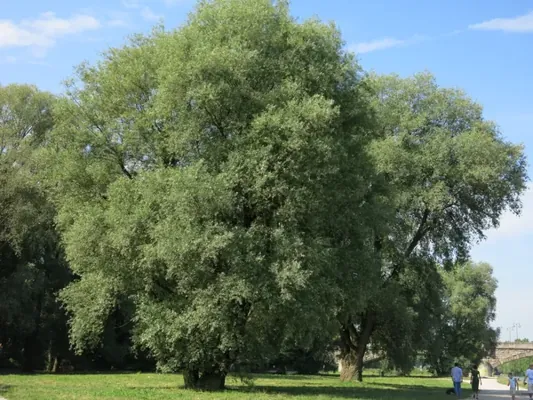
Our partner website, Shearer Farms
White Willow (Salix alba) Guide: Growing, Variants, Cuttings and Harvesting the Bark
Grow white willow (Salix alba): site, soil, hardwood and softwood cuttings, pollarding, bark harvest.
References
- Herbal Reality, white willow, tincture 1 to 5 at 25 percent, decoction and cautions.
- Memorial Sloan Kettering Cancer Center, About Herbs: willow bark, evidence for low back pain, osteoarthritis and weight loss, and interactions.
- Plants For A Future, Salix alba, bark harvest and hazards.
- Efficacy and safety of white willow bark (Salix alba) extracts, Phytotherapy Research (2015).
- Identification and accumulation of phenolic compounds in the leaves and bark of Salix alba, Biomolecules (2020).
- North Carolina State Extension, Plant Toolbox: Salix alba.
- Comparison of salicin and fiber contents in the barks and woody cores of willow (Salix spp.) clones, Bangor University: salicin 0.33 to 1.02 percent of dry matter in five clones.
- European Medicines Agency, final assessment report on Salix (willow bark): the pharmacopoeia minimum of 1.5 percent total salicylates.
- White willow bark extracts by conventional, ultrasound and microwave extraction with water and ethanol, phenolic, tannin and flavonoid contents, Plants (2023).
Common questions
Where did willow extraction come from?
White willow is described as the oldest recorded pain remedy in human history. It appears in ancient Egyptian and Greek medicine, and Hippocrates, Dioscorides and Galen recommended it for fever and pain. Chinese physicians are recorded using it from about 500 BC, and in Europe it was also used to remove warts and to settle the stomach. In North America, Cherokee healers made a bark infusion for fever and to check the bowels, took an inner-bark decoction for hoarseness, used the bark as a tonic, and laid it on skin as a poultice. Those uses are traditional records, not trial results, and they are cited here as such.
How do I choose a method?
Two methods have the longest record with willow, and they differ in time, amount and shelf life. Which one should you make? A decoction is the fastest and the cheapest, but it keeps for only a day or two in the refrigerator. A tincture keeps far longer and is easier to measure by the milliliter, which is why most people who use willow regularly make one. The leaves offer a third option.
What is happening chemically in willow extraction?
Willow bark is a water-friendly plant. Salicin, the compound the bark is known for, and the related salicylates are sugar-bound and dissolve in water and in watery alcohol. Tannins, the largest group in the bark and the cause of its bitterness, are polar as well, and the flavonoids sit in the middle. So the routes that lead here are the hot water decoction and the watery ethanol tincture, and a nonpolar solvent would leave almost everything behind in the bark.
How do I prepare the bark?
Good bark makes a good extract. Use the pale inner bark, not the rough outer layer, and cut or grind it small so the liquid reaches as much surface as possible. Start with bark that snaps when you bend it; soft or damp bark can mold. Cut it into pieces about the size of a grain of rice, or break it with a mortar.
What is other preparations from the tree?
Bark is the main medicine, but the tree has other traditional preparations. Each one is gentler than the bark and has a thinner record behind it. Young leaves can be steeped as an infusion, which is described as less potent than the bark. The leaf tea has been used as a calming drink for nervous sleeplessness, and a leaf infusion added to bath water is a traditional rheumatism remedy. The leaves have also served as a tea substitute.
How do I make a decoction?
A decoction is the right way to extract hard, woody bark, because gentle steeping alone does not break it open. Put 1 to 2 teaspoons of dried bark in a small pot with 1 cup of water. Bring it to a boil, then turn the heat down to a gentle simmer. Simmer for 20 to 25 minutes with the lid on. Strain through a fine mesh, let it cool slightly, and drink it.
How do I make a tincture?
A tincture uses alcohol as the solvent. For white willow the traditional strength is a 1 to 5 ratio at 25 percent alcohol, which is one part bark to five parts liquid. Weigh the bark and place it in a clean glass jar with a tight lid. For 100 grams of bark, use 500 mL of a mix that is 25 percent alcohol overall. Keep the jar out of direct light and shake it for a minute each day.
What is how much has been used?
Doses come from two places, traditional use and clinical trials, and they are not the same thing. Standardized versus homemade. A standardized extract is tested and adjusted to a known salicin content, and the trials used products of about 15 percent salicin. A homemade extract is as strong as the bark you happened to use, so two batches can differ a great deal. For a homemade extract, the traditional amounts are the guide.
Is willow extraction safe?
Salicin behaves like aspirin in the body, so the bark carries aspirin's cautions. Check these points before you take any extract. A tincture also contains alcohol, which is another reason to avoid it in pregnancy, in children and for anyone who does not drink. The reported side effects are mostly stomach upset, rash and itching. Rarer reactions are serious, and they include a case of acute breathing failure in an older woman and a fatal liver failure in a toddler who was given willow bark tea together with a fever medicine.
What usually goes wrong with willow extraction?
Most problems with a homemade extract have a simple cause, and these are the usual ones. The extract is very bitter (Tannins, which make up the largest share of the bark): Expect it; do not add more bark to chase a milder taste. A decoction tastes weak (Bark cut too coarse, or simmered too briefly): Cut it smaller and simmer the full 25 minutes. Mold or a sour smell (A decoction kept too long): Throw it out and make a fresh cup. A tincture is cloudy (Fine bark dust passed through the cloth): Filter it a second time through a paper filter.
How do I grow the tree yourself?
If you want to grow your own source of bark, rooting a cutting is easier than it sounds, and our partner website has the full growing guide. A single tree, cut back every few years, gives you more bark than one person is likely to use, and the cuttings you trim become the next trees. Our partner website, Pure Extracts. White Willow (Salix alba) Guide: Growing, Variants, Cuttings and Harvesting the Bark . Grow white willow (Salix alba): site, soil, hardwood and softwood cuttings, pollarding, bark harvest.
Browse by topic
More guides to explore
 ExtractionCold Press Extraction
 ExtractionEnzymatic Extraction
 ExtractionEthanol Extraction
 ExtractionMicrowave-Assisted Extraction
 ExtractionNatural Dye Extraction and Use
 ExtractionPressurized Hot Water Extraction
 ExtractionSteam Distillation