Growing
Elderberry (Sambucus nigra, S. canadensis): Comprehensive Cultivation, Processing, and Use Guide
Complete guide to elderberry cultivation covering Sambucus nigra and canadensis, growing parameters, propagation, harvest optimization.
On this page
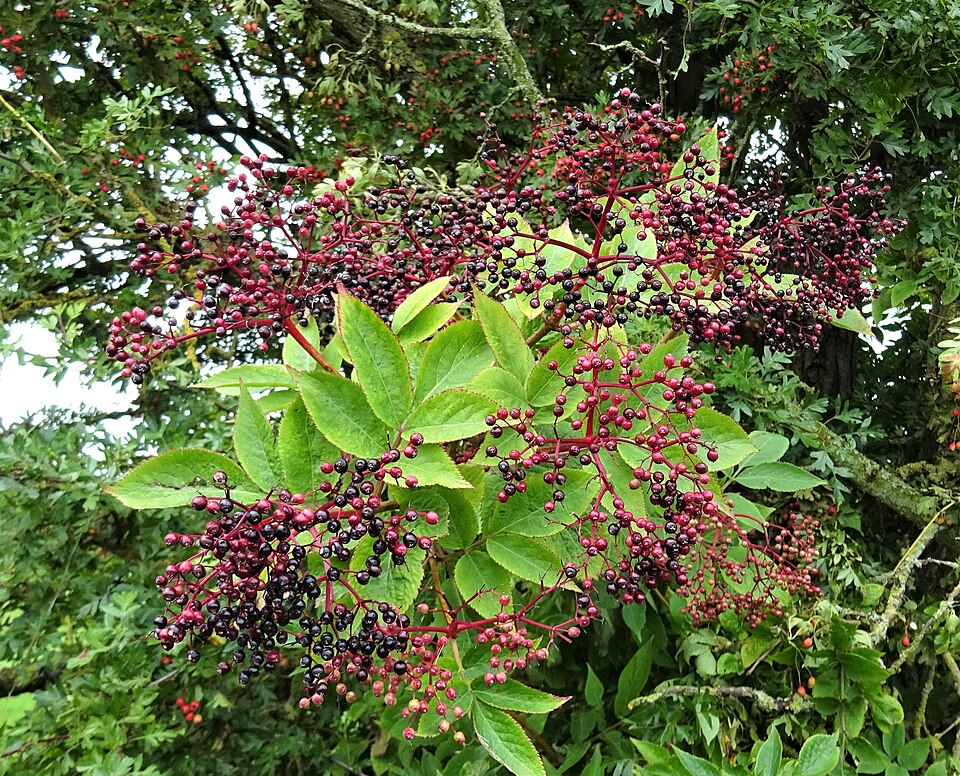
Elderberry refers primarily to Sambucus nigra (European elderberry) and Sambucus canadensis (American elderberry), deciduous perennial shrubs that typically reach 6–12 feet (1.8–3.7 m) in height, occasionally exceeding this under high-fertility conditions. The plants exhibit hollow, pith-filled stems, opposite pinnately compound leaves with 5–9 serrated leaflets, and large, flat-topped inflorescences (corymbs) composed of dozens to hundreds of small, cream-colored flowers.
In contemporary scientific literature, elderberry is valued for its unusually high concentration of anthocyanins, flavonols, phenolic acids, and complex polysaccharides. The dominant pigments, cyanidin-3-glucoside and cyanidin-3-sambubioside, are widely studied for their roles in oxidative signaling pathways, endothelial function, and modulation of inflammatory mediators, particularly through indirect interaction with cytokine cascades and gut-derived metabolites.
Compound Behavior In Vivo
Research consistently notes that elderberry compounds do not act as isolated agents in the body; rather, they interact with digestive enzymes, intestinal microbiota, and cellular redox systems. These interactions are discussed in the context of immune signaling, mitochondrial stress response, and metabolic regulation, within the framework of food-based and botanical research rather than pharmaceutical intervention.